

Więcej o książce
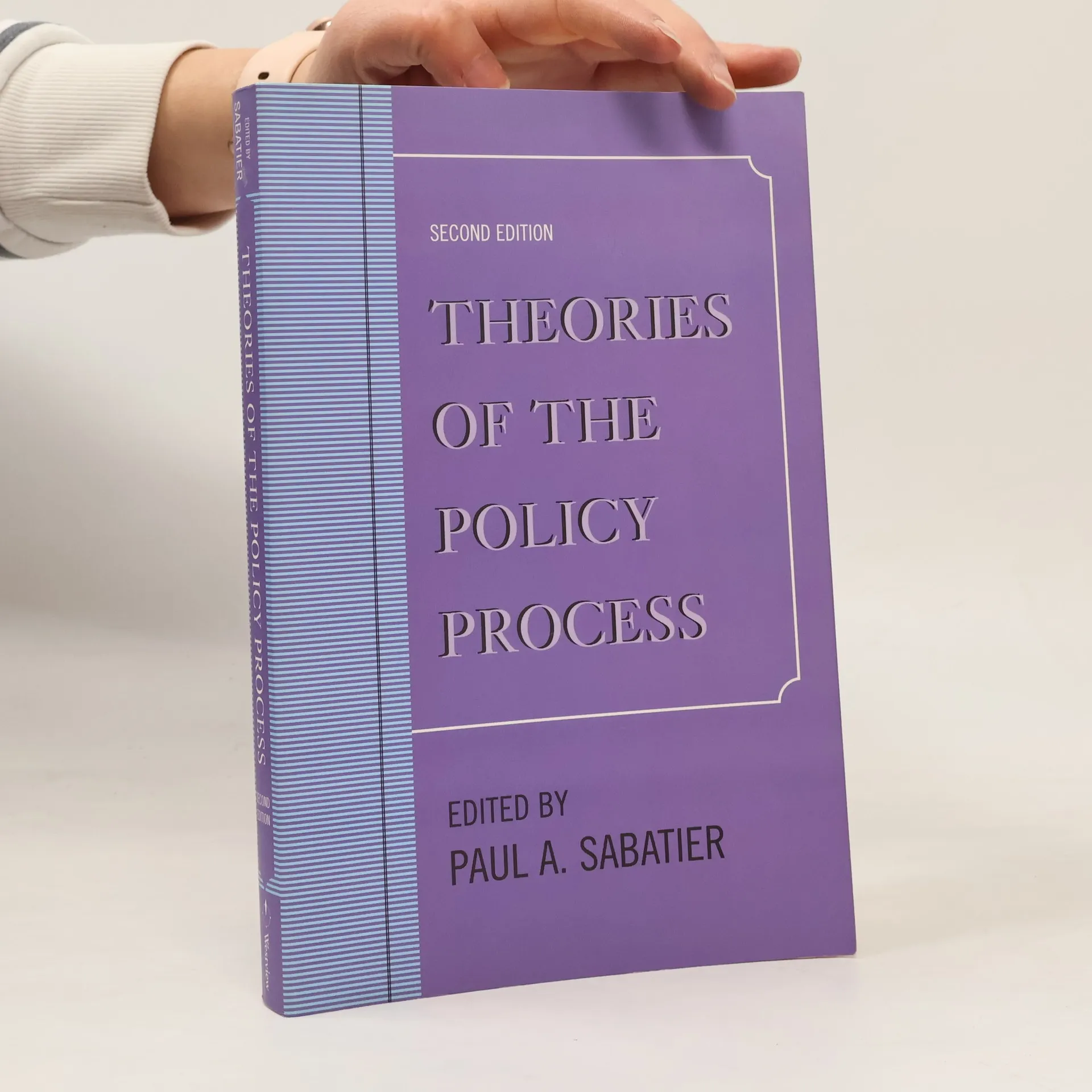
Theories of the Policy Process provides a forum for the proponents of several of the most promising and widely used theoretical frameworks to present the basic propositions of their frameworks, to assess the empirical evidence that has developed, and to discuss promising directions for future research. The first edition contained analyses of Institutional Rational Choice, Multiple Streams, Punctuated Equilibrium, Advocacy Coalition Framework, and Policy Diffusion. The second edition revises these and adds new chapters on Social Construction and Policy Design and Policy Networks. It also contains a much more serious analysis of the European literature relevant to each of the frameworks. Finally, the new edition contains a revised chapter by Edella Schlager, presenting a comparative analysis and evaluation of the relevant frameworks, and a concluding chapter by the editor suggesting a number of strategies for improving the state of theorizing in this field.
Zakup książki
Theories of the Policy Process, Second Edition, Paul A. Sabatier
- Język

- Rok wydania
- 2007
- Oprawa
- (miękka)
Metody płatności
Brakuje nam tutaj Twojej recenzji.
- Tytuł
- Theories of the Policy Process, Second Edition
- Język
- angielski
- Autorzy
- Paul A. Sabatier
- Wydawca
- Westview Press
- Rok wydania
- 2007
- Oprawa
- miękka
- Liczba stron
- 344
- ISBN10
- 0813343593
- ISBN13
- 9780813343594
- Seria
- Ocena
- 3,75 z 5
- Opis
- Theories of the Policy Process provides a forum for the proponents of several of the most promising and widely used theoretical frameworks to present the basic propositions of their frameworks, to assess the empirical evidence that has developed, and to discuss promising directions for future research. The first edition contained analyses of Institutional Rational Choice, Multiple Streams, Punctuated Equilibrium, Advocacy Coalition Framework, and Policy Diffusion. The second edition revises these and adds new chapters on Social Construction and Policy Design and Policy Networks. It also contains a much more serious analysis of the European literature relevant to each of the frameworks. Finally, the new edition contains a revised chapter by Edella Schlager, presenting a comparative analysis and evaluation of the relevant frameworks, and a concluding chapter by the editor suggesting a number of strategies for improving the state of theorizing in this field.