

Parametry
Więcej o książce
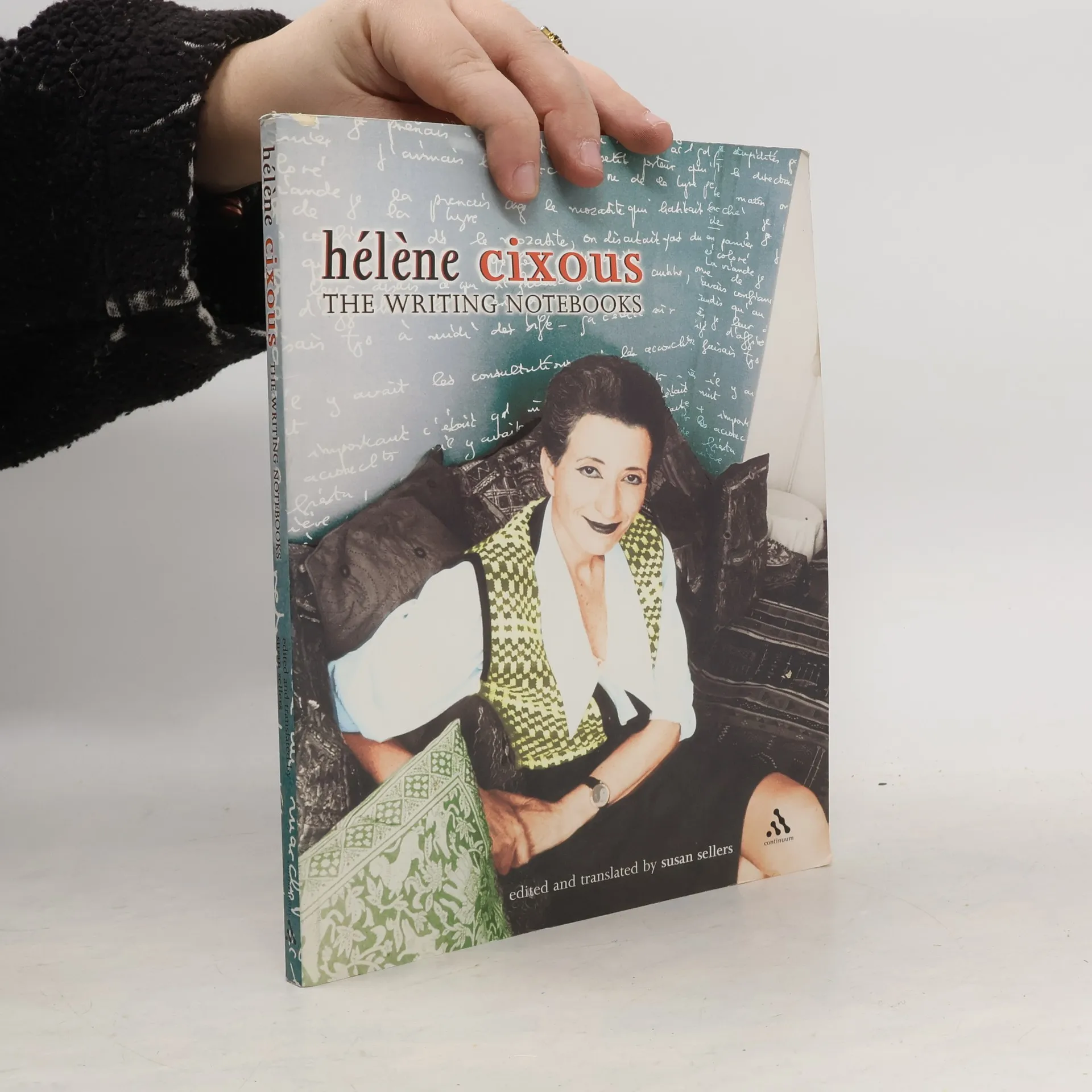
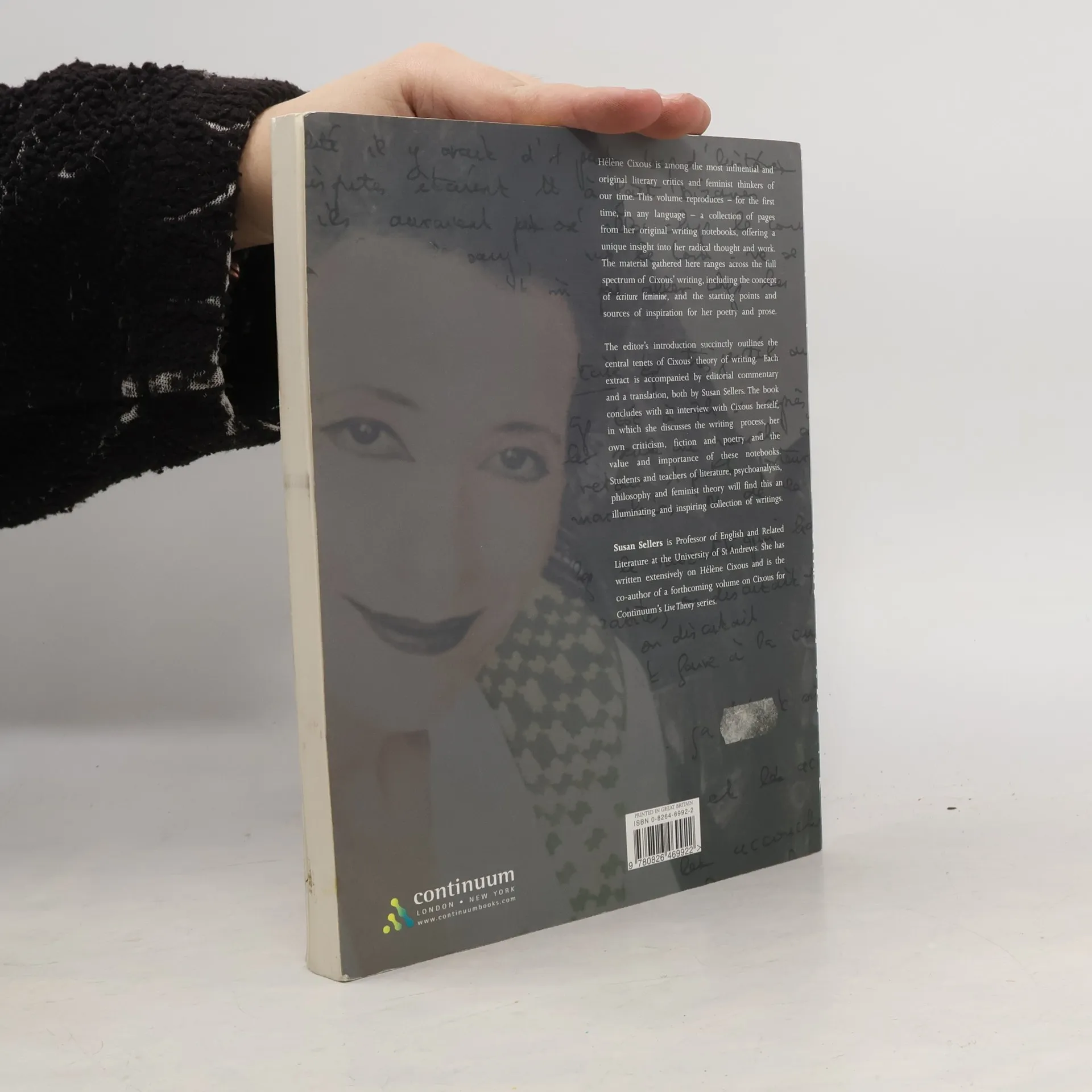
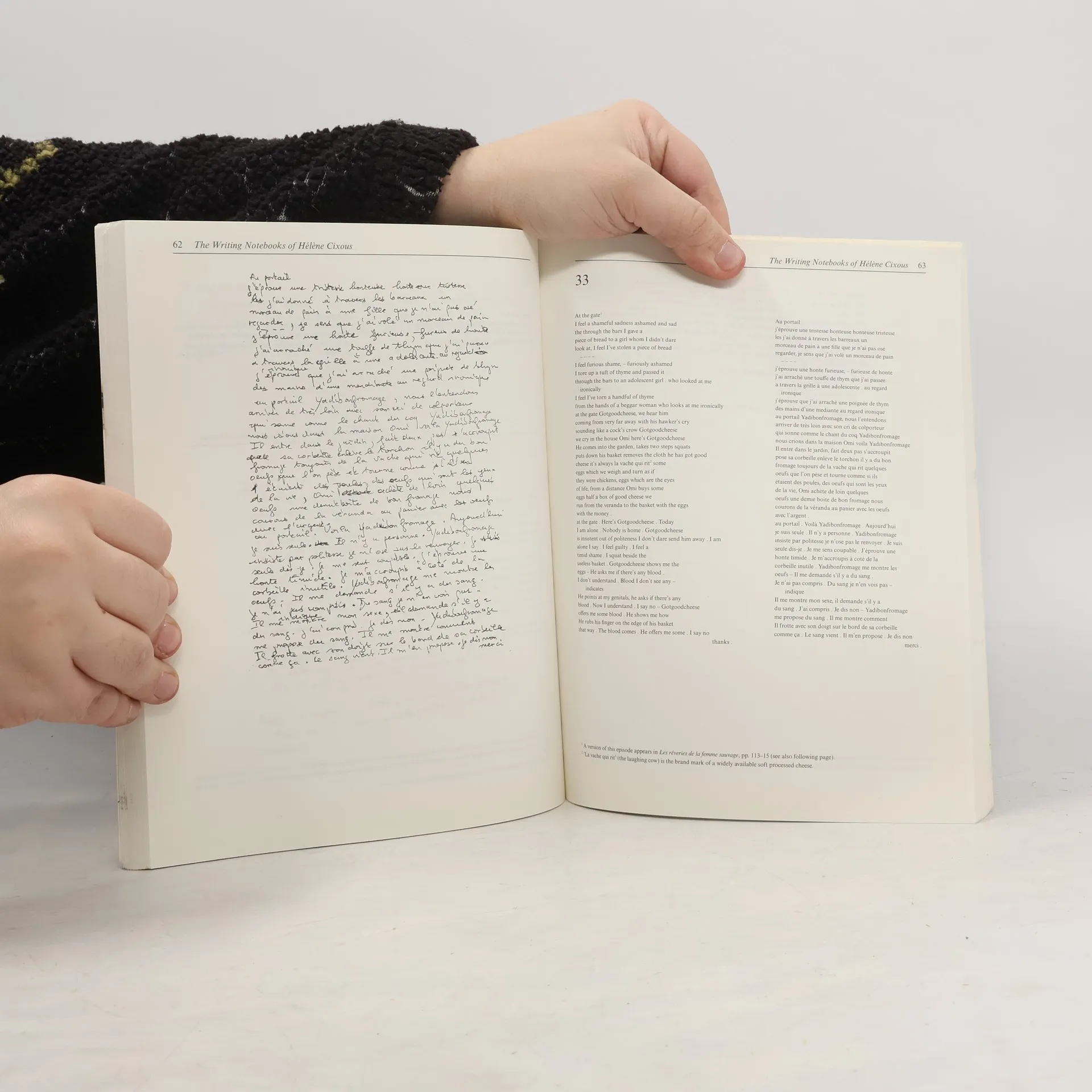
Helene Cixous is one of the most brilliant and radical of contemporary theorists. This is the first publication in any language of Cixous' own Notebooks, illustrating the concept of "ecriture feminine" and offering new insights into Cixous' theoretical insistence on writing and her own practice as a writer. Cixous' Notebooks exemplify how writing creates unique possibilities for circumventing the mistruths that shape us as subjects and which organize our relations with the world. The Writing Notebooks opens with an introduction which outlines the central points of Cixous' notion of writing. The main body of the work is comprised of 60 photographic extracts from the Notebooks, each extract accompanied by editorial annotation and a translation into English. The book concludes with a new interview with Cixous on the value of the Notebooks, the process of writing and her own fiction. Cixous' Notebooks will be invaluable to students of literature, psychoanalysis, philosophy and feminism.
Zakup książki
The writing notebooks of Hélène Cixous, Hélène Cixous
- Język

- Rok wydania
- 2004
- Oprawa
- (miękka)
Metody płatności
Brakuje nam tutaj Twojej recenzji.
- Tytuł
- The writing notebooks of Hélène Cixous
- Język
- angielski
- Autorzy
- Hélène Cixous
- Wydawca
- Continuum
- Rok wydania
- 2004
- Oprawa
- miękka
- ISBN10
- 0826469922
- ISBN13
- 9780826469922
- Seria
- Kategorie
- Tagi
- Ocena
- 3,6 z 5
- Opis
- Helene Cixous is one of the most brilliant and radical of contemporary theorists. This is the first publication in any language of Cixous' own Notebooks, illustrating the concept of "ecriture feminine" and offering new insights into Cixous' theoretical insistence on writing and her own practice as a writer. Cixous' Notebooks exemplify how writing creates unique possibilities for circumventing the mistruths that shape us as subjects and which organize our relations with the world. The Writing Notebooks opens with an introduction which outlines the central points of Cixous' notion of writing. The main body of the work is comprised of 60 photographic extracts from the Notebooks, each extract accompanied by editorial annotation and a translation into English. The book concludes with a new interview with Cixous on the value of the Notebooks, the process of writing and her own fiction. Cixous' Notebooks will be invaluable to students of literature, psychoanalysis, philosophy and feminism.