


Więcej o książce
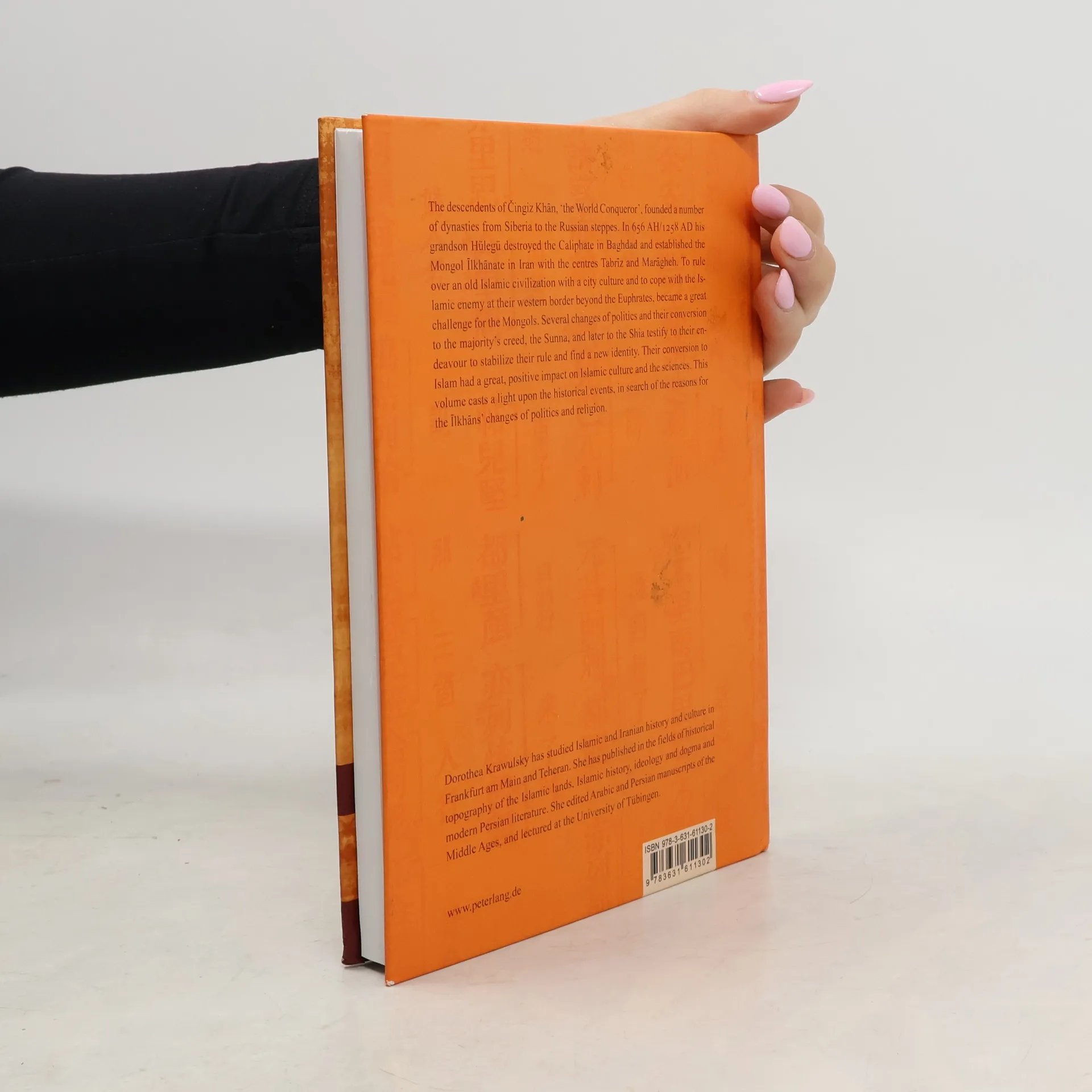
The descendents of Čingiz Khān, ‘the World Conqueror’, founded a number of dynasties from Siberia to the Russian steppes. In 656 AH/1258 AD his grandson Hülegü destroyed the Caliphate in Baghdad and established the Mongol Īlkhānate in Iran with the centres Tabrīz and Marāgheh. To rule over an old Islamic civilization with a city culture and to cope with the Islamic enemy at their western border beyond the Euphrates, became a great challenge for the Mongols. Several changes of politics and their conversion to the majority’s creed, the Sunna, and later to the Shia testify to their endeavour to stabilize their rule and find a new identity. Their conversion to Islam had a great, positive impact on Islamic culture and the sciences. This volume casts a light upon the historical events, in search of the reasons for the Īlkhāns’ changes of politics and religion.
Zakup książki
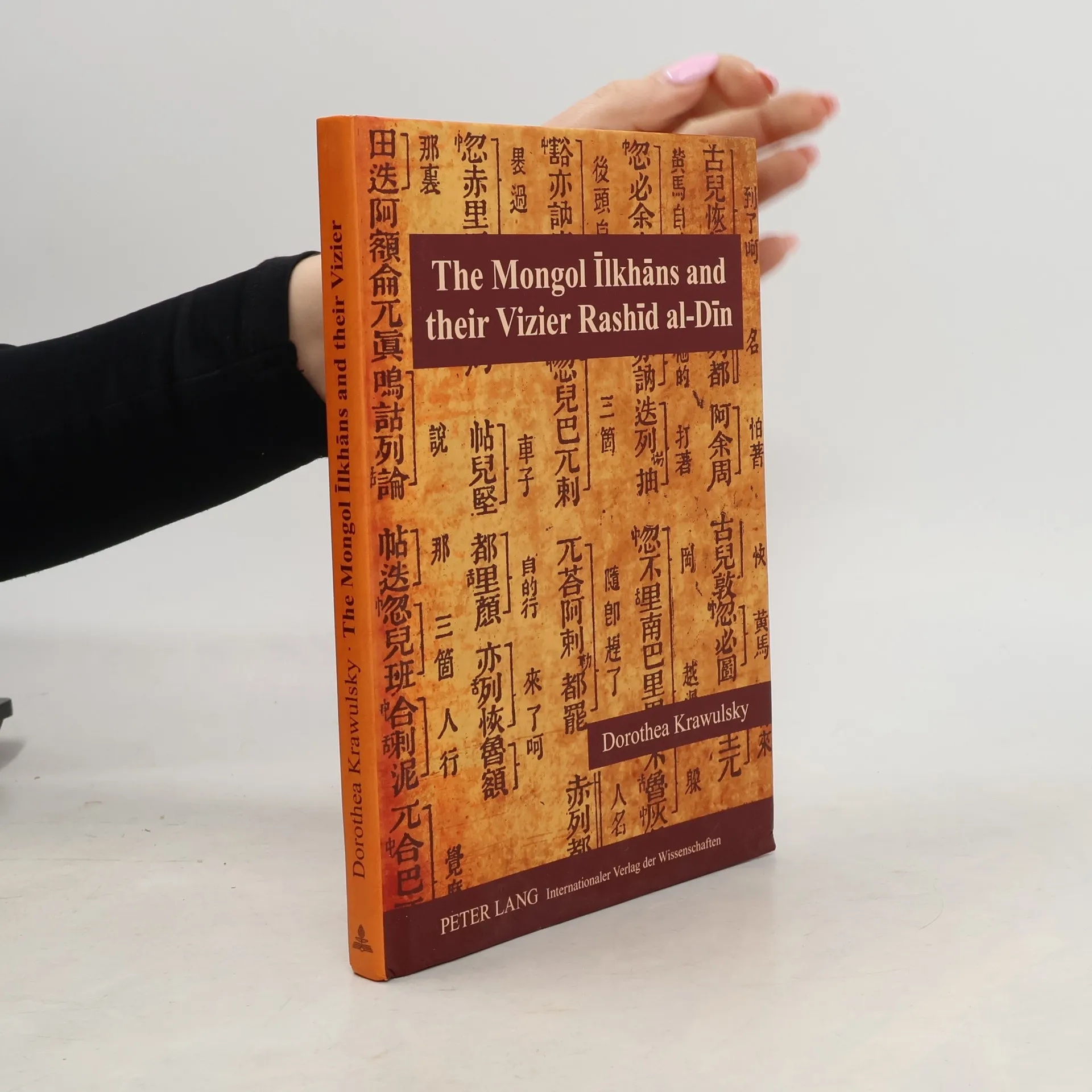
The Mongol Īlkhāns And Their Vizier Rashīd Al-Dīn, Dorothea Krawulsky
- Język

- Rok wydania
- 2011
- Oprawa
- (twarda)
Metody płatności
Nikt jeszcze nie ocenił.
- Tytuł
- The Mongol Īlkhāns And Their Vizier Rashīd Al-Dīn
- Język
- angielski
- Autorzy
- Dorothea Krawulsky
- Wydawca
- Peter Lang
- Rok wydania
- 2011
- Oprawa
- twarda
- Liczba stron
- 156
- ISBN10
- 3631611307
- ISBN13
- 9783631611302
- Seria
- Kategorie
- Tagi
- Tematy historyczne, Polityka, Niemcy, Literatura fachowa, Azja, Iran, Zwyczaje & Tradycje, Nauki humanistyczne, Ideologia, Afryka Północna, Historia ustna
- Opis
- The descendents of Čingiz Khān, ‘the World Conqueror’, founded a number of dynasties from Siberia to the Russian steppes. In 656 AH/1258 AD his grandson Hülegü destroyed the Caliphate in Baghdad and established the Mongol Īlkhānate in Iran with the centres Tabrīz and Marāgheh. To rule over an old Islamic civilization with a city culture and to cope with the Islamic enemy at their western border beyond the Euphrates, became a great challenge for the Mongols. Several changes of politics and their conversion to the majority’s creed, the Sunna, and later to the Shia testify to their endeavour to stabilize their rule and find a new identity. Their conversion to Islam had a great, positive impact on Islamic culture and the sciences. This volume casts a light upon the historical events, in search of the reasons for the Īlkhāns’ changes of politics and religion.