

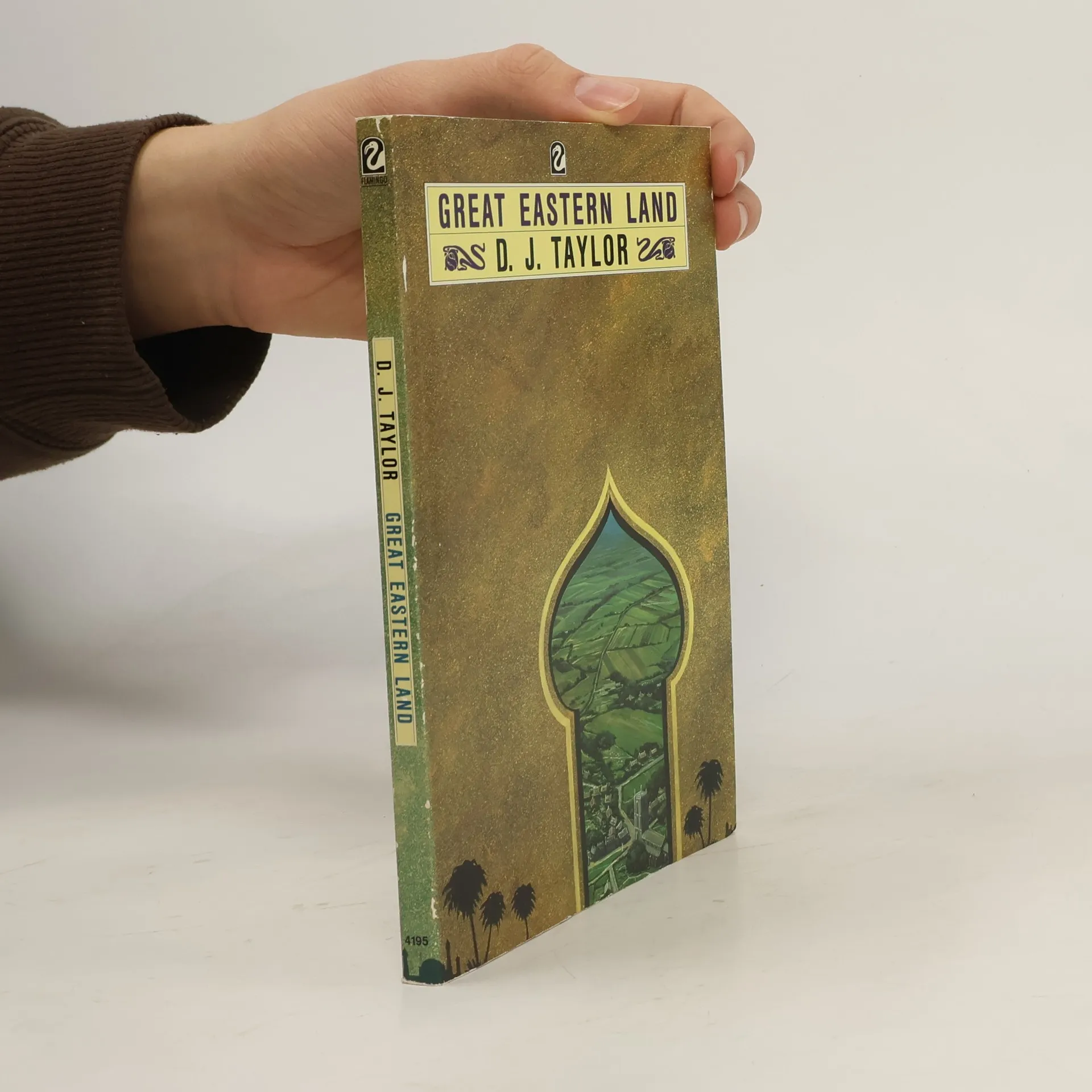


Więcej o książce
Between walking by the river and imbibing tasteless liquor at Dr Feelgood’s, a mice-infested emporium presided over by the dubious Mousookseem, David Castell is compiling his Notebooks. Though thwarted by Caro, who runs the house, buys the ink, and sullenly disapproves of his master’s activities, David perseveres, believing the past to be ‘an infinitely more agreeable subject for speculation than the future’. David’s notebooks glide between past and present, juxtaposing a number of settings: Oxford, where drunken eccentrics try to steer clear of sinister dons; East Anglia, where myth and legend are flourishing between the wide expanse of sky and field; and another, distant Eastern Land where oranges rot in the sun and the generator hums when Caro, idle or vengeful by turns, chooses to turn it on. All this is comic grist to the author’s mill. Through the musings of its erudite and pig-headed narrator, the novel becomes a cunning debate about the various ways – duped by our own imaginations – we take liberties with history, throwing artful, sidelong glances at the metaphysics of fiction, but not so as you would notice. As past and present collide – in unexpected ways – so the debate continues, as elusive as it is entertaining.
Zakup książki
Great Eastern Land, D. J. Taylor
- Język

- Rok wydania
- 1987
- Oprawa
- (miękka),
- Stan książki
- Dobry
- Cena
- 1,43 zł
Metody płatności
Nikt jeszcze nie ocenił.
- Tytuł
- Great Eastern Land
- Język
- angielski
- Autorzy
- D. J. Taylor
- Wydawca
- Flamingo
- Rok wydania
- 1987
- Oprawa
- miękka
- Liczba stron
- 192
- ISBN10
- 000654195X
- ISBN13
- 9780006541950
- Seria
- Kategorie
- Opis
- Between walking by the river and imbibing tasteless liquor at Dr Feelgood’s, a mice-infested emporium presided over by the dubious Mousookseem, David Castell is compiling his Notebooks. Though thwarted by Caro, who runs the house, buys the ink, and sullenly disapproves of his master’s activities, David perseveres, believing the past to be ‘an infinitely more agreeable subject for speculation than the future’. David’s notebooks glide between past and present, juxtaposing a number of settings: Oxford, where drunken eccentrics try to steer clear of sinister dons; East Anglia, where myth and legend are flourishing between the wide expanse of sky and field; and another, distant Eastern Land where oranges rot in the sun and the generator hums when Caro, idle or vengeful by turns, chooses to turn it on. All this is comic grist to the author’s mill. Through the musings of its erudite and pig-headed narrator, the novel becomes a cunning debate about the various ways – duped by our own imaginations – we take liberties with history, throwing artful, sidelong glances at the metaphysics of fiction, but not so as you would notice. As past and present collide – in unexpected ways – so the debate continues, as elusive as it is entertaining.