


Więcej o książce
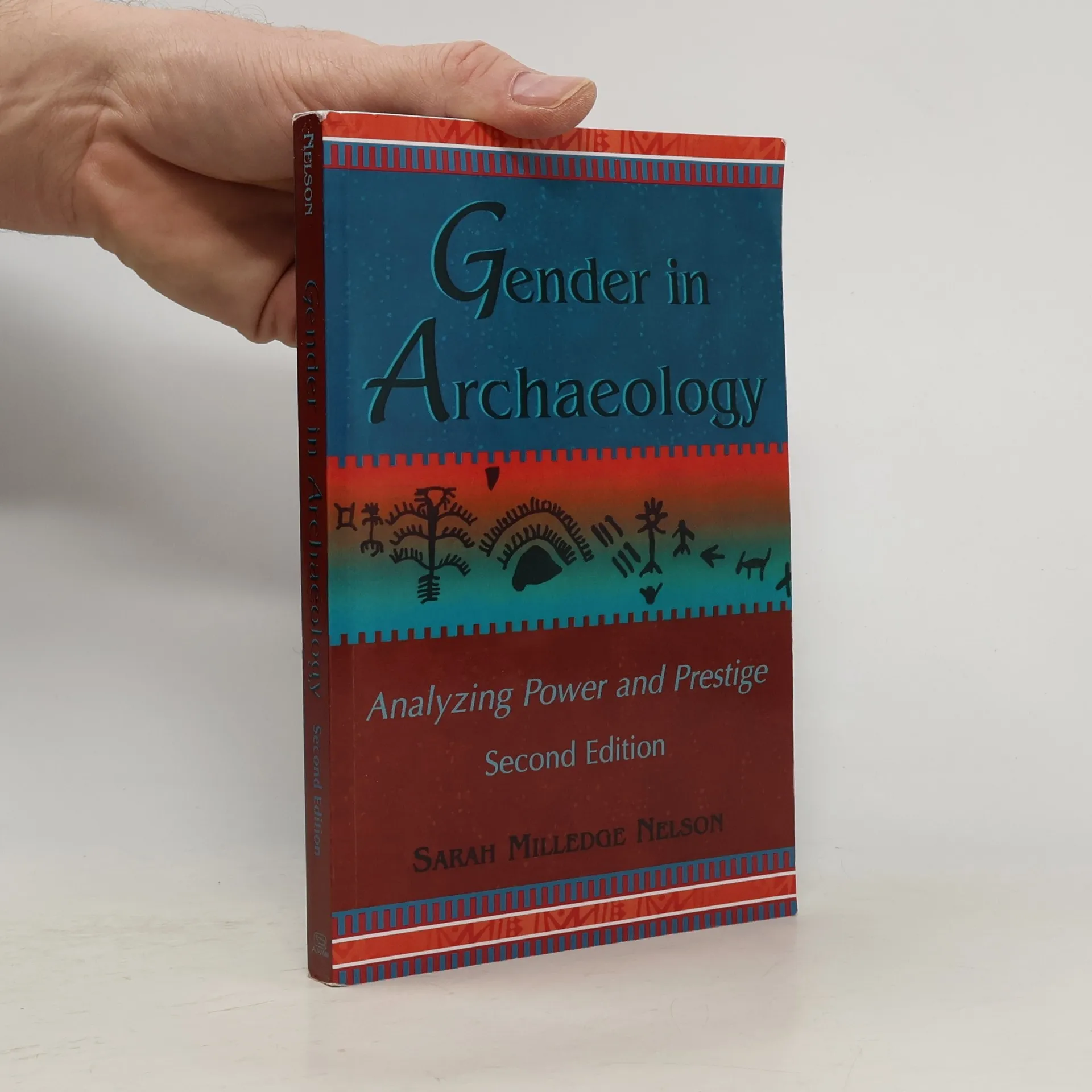
This new edition of the first comprehensive feminist, theoretical synthesis of the archaeological work on gender reflects the extensive changes in the study of gender and archaeology over the past 8 years. New issues―such as sexuality studies, the body, children, and feminist pedagogy―enrich this edition while the author updates work on the roles of women and men in such areas as human origins, the sexual division of labor, kinship and other social structures, state development, and ideology. Nelson provides examples from gender-specific archaeological studies worldwide to examine such traditional myths as woman the gatherer, the goddess hypothesis, and the Amazon warriors, replacing them with a more nuanced, informed treatment of gender based on the latest research. She also examines the structure of the archaeology in her attempt to understand and change a discipline that has made women all but invisible both as researchers and objects of research. Honored as a Choice Magazine Outstanding Academic Book, Nelson's work will continue to be the benchmark for archaeologists interested in gender as a subject of research and in the profession.
Zakup książki
Gender in Archaeology, Sarah Milledge Nelson
- Język

- Rok wydania
- 2004
- Oprawa
- (miękka)
Metody płatności
Brakuje nam tutaj Twojej recenzji.
- Tytuł
- Gender in Archaeology
- Podtytuł
- Analyzing Power and Prestige - Second Edition
- Język
- angielski
- Autorzy
- Sarah Milledge Nelson
- Wydawca
- AltaMira Press
- Rok wydania
- 2004
- Oprawa
- miękka
- Liczba stron
- 232
- ISBN10
- 0759104964
- ISBN13
- 9780759104969
- Seria
- Tagi
- Tematy historyczne, Tematy prawne, Kobiety, Nauka, USA, Archeologia, Gender
- Ocena
- 4 z 5
- Opis
- This new edition of the first comprehensive feminist, theoretical synthesis of the archaeological work on gender reflects the extensive changes in the study of gender and archaeology over the past 8 years. New issues―such as sexuality studies, the body, children, and feminist pedagogy―enrich this edition while the author updates work on the roles of women and men in such areas as human origins, the sexual division of labor, kinship and other social structures, state development, and ideology. Nelson provides examples from gender-specific archaeological studies worldwide to examine such traditional myths as woman the gatherer, the goddess hypothesis, and the Amazon warriors, replacing them with a more nuanced, informed treatment of gender based on the latest research. She also examines the structure of the archaeology in her attempt to understand and change a discipline that has made women all but invisible both as researchers and objects of research. Honored as a Choice Magazine Outstanding Academic Book, Nelson's work will continue to be the benchmark for archaeologists interested in gender as a subject of research and in the profession.