

Więcej o książce
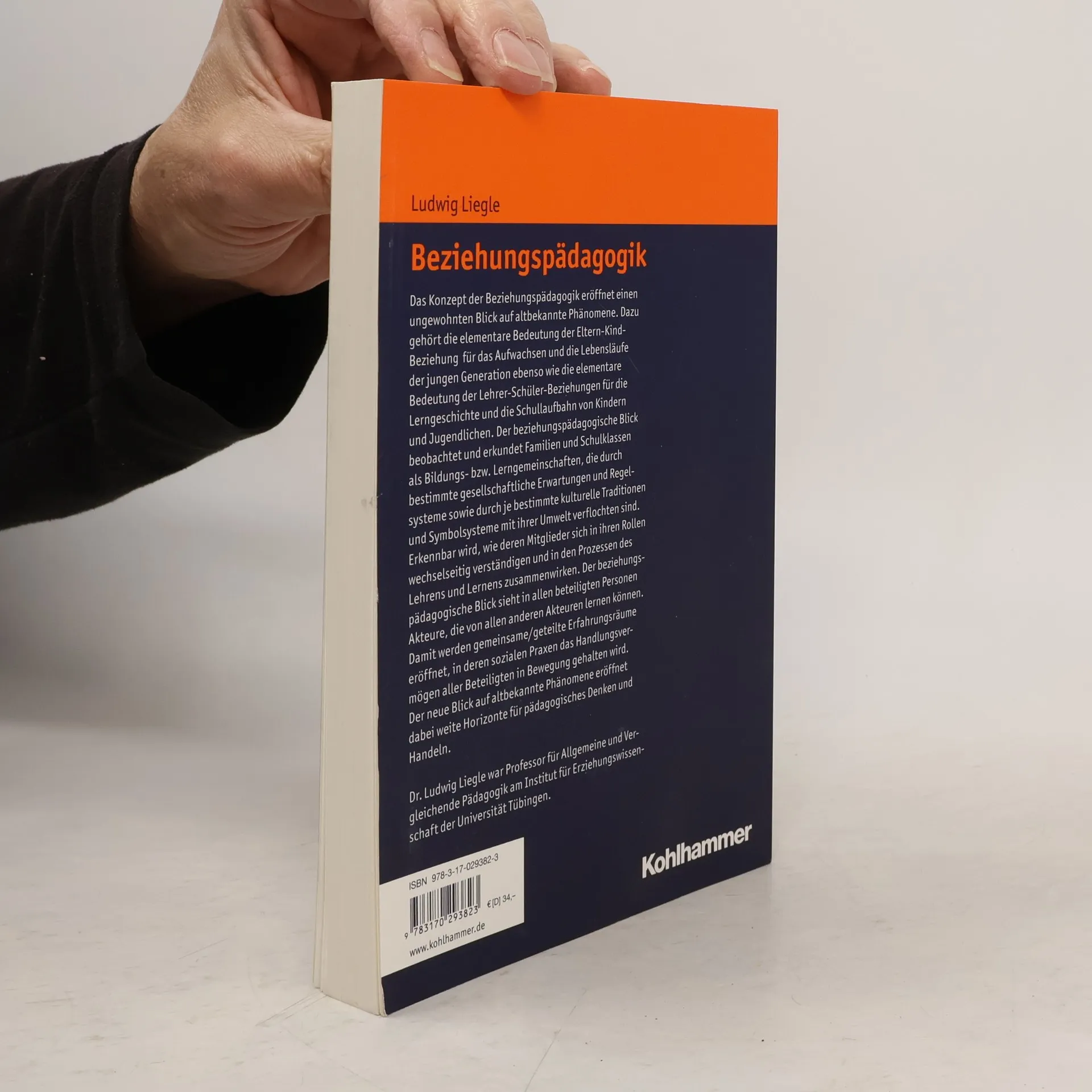
The concept of relationship education opens up an unexpected view of familiar phenomena. This includes the fundamental importance of the parent-child relationship for growing up and for the careers of the younger generation, as well as the fundamental importance of teacher-student relationships for the educational and school careers of children and young adults. This relationship-educational view observes and explores families and school classes as educational and learning communities that are intertwined with their environment through specific social expectations and systems of regulation, as well as specific cultural traditions and symbolic systems. The way in which their members communicate interactively in their roles and interact in teaching and learning processes becomes recognizable. This relationship-educational view regards all of the individuals involved as agents who are able to learn from all the other agents. This opens up common/shared experiential spaces with social practices in which the scope of action of everyone involved is held in motion. The new view of familiar phenomena obtained in this way opens up wide horizons for educational thought and action.
Zakup książki
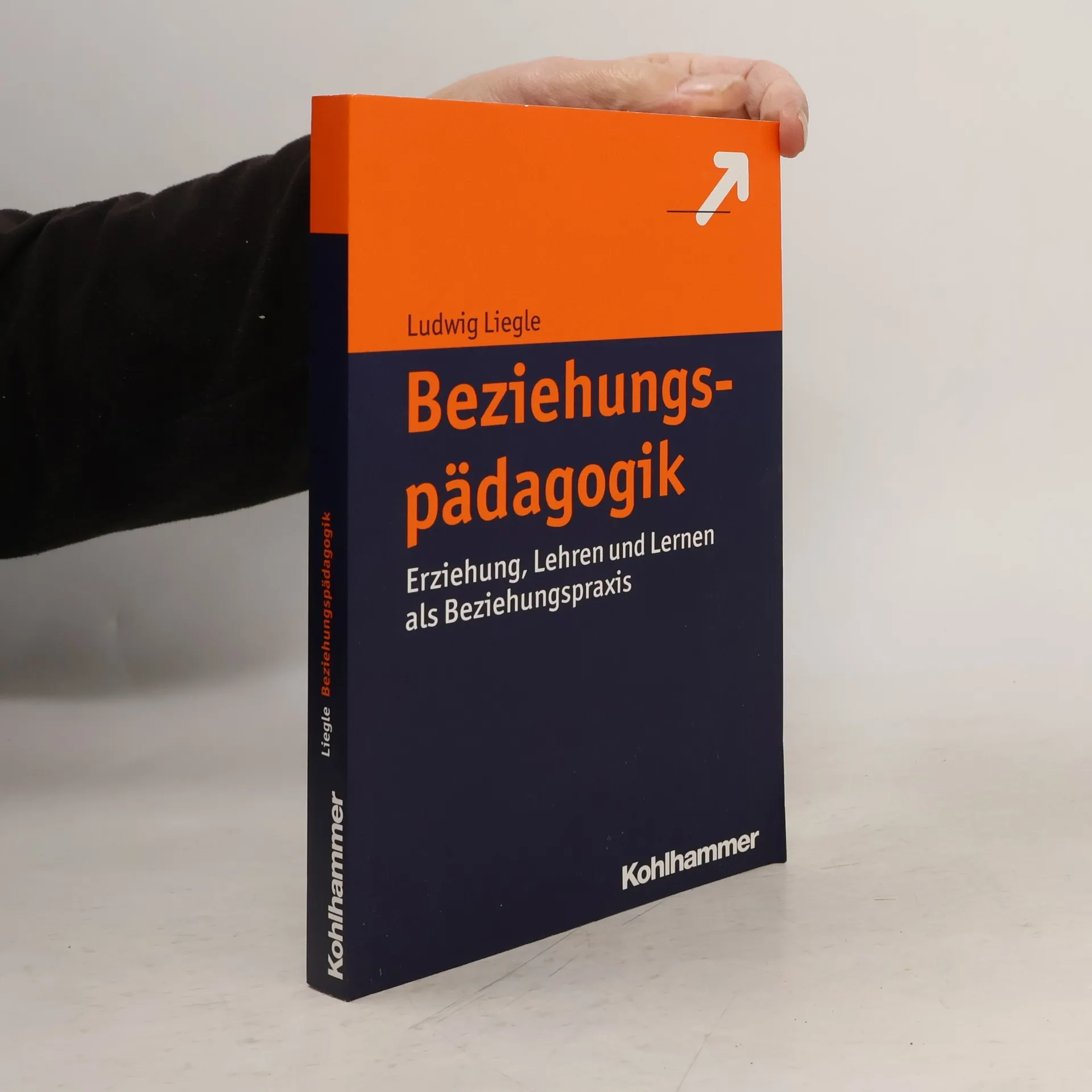
Beziehungspädagogik, Ludwig Liegle
- Język

- Rok wydania
- 2015
- Oprawa
- (miękka)
Metody płatności
Nikt jeszcze nie ocenił.
- Tytuł
- Beziehungspädagogik
- Podtytuł
- Erziehung, Lehren und Lernen als Beziehungspraxis
- Język
- niemiecki
- Autorzy
- Ludwig Liegle
- Wydawca
- Kohlhammer
- Rok wydania
- 2015
- Oprawa
- miękka
- Liczba stron
- 240
- ISBN10
- 3170293826
- ISBN13
- 9783170293823
- Seria
- Tagi
- Relacje, Edukacja & Szkolnictwo, Studia, Nauczyciele, Edukacja specjalna, Inkluzja, Edukacja Inkluzywna
- Opis
- The concept of relationship education opens up an unexpected view of familiar phenomena. This includes the fundamental importance of the parent-child relationship for growing up and for the careers of the younger generation, as well as the fundamental importance of teacher-student relationships for the educational and school careers of children and young adults. This relationship-educational view observes and explores families and school classes as educational and learning communities that are intertwined with their environment through specific social expectations and systems of regulation, as well as specific cultural traditions and symbolic systems. The way in which their members communicate interactively in their roles and interact in teaching and learning processes becomes recognizable. This relationship-educational view regards all of the individuals involved as agents who are able to learn from all the other agents. This opens up common/shared experiential spaces with social practices in which the scope of action of everyone involved is held in motion. The new view of familiar phenomena obtained in this way opens up wide horizons for educational thought and action.