

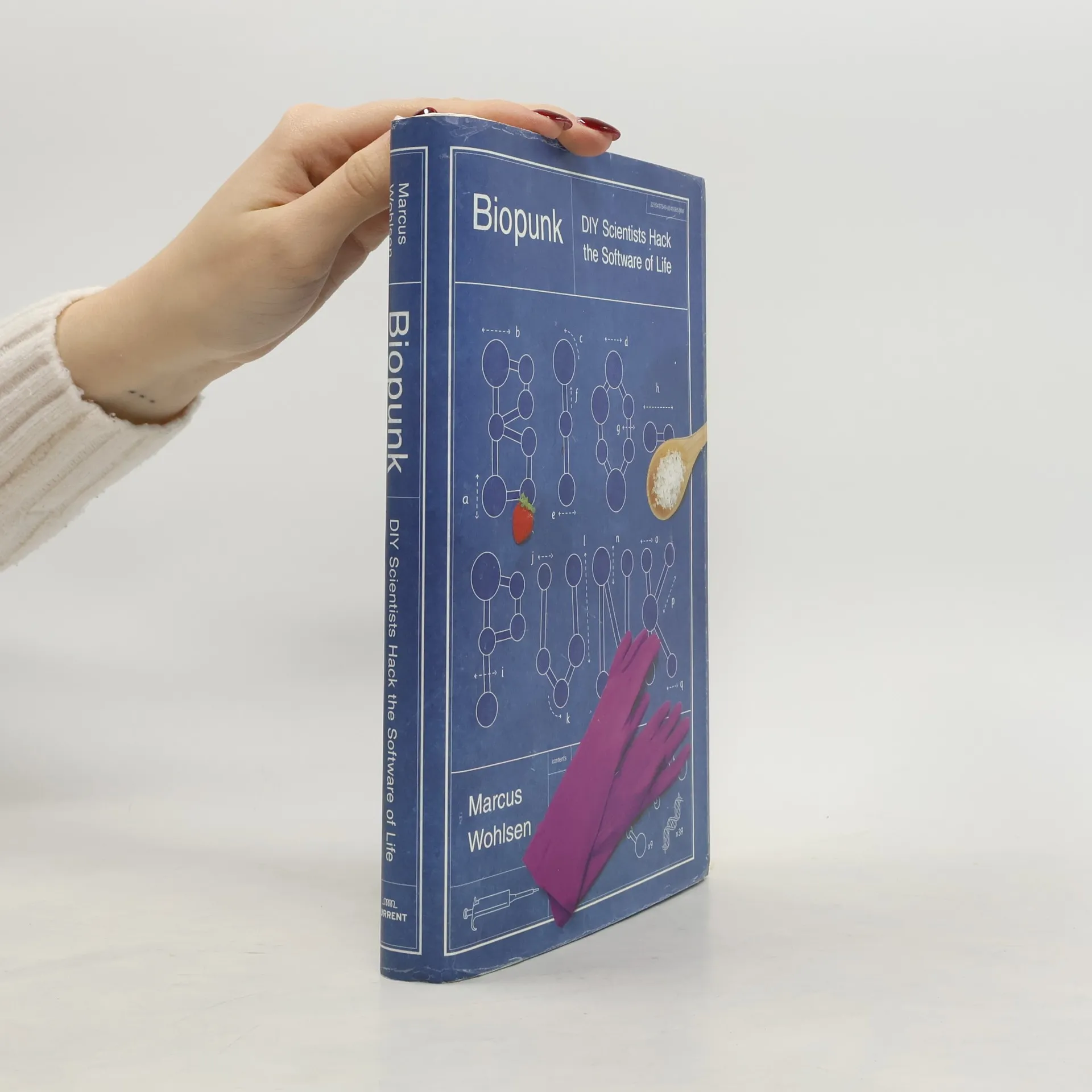
Więcej o książce
Bill Gates recently expressed that if he were a teenager today, he would focus on hacking biology, emphasizing the transformative potential of biological molecules. The true disruptive force lies within DNA, and biotech companies and researchers are beginning to harness the ability to create life from scratch. Proponents of synthetic biology believe that by treating genetic code like Lego blocks, they can address major challenges in medicine, energy, and environmental issues. Historical precedents show that revolutionary discoveries often arise from unconventional thinkers with limited resources but abundant creativity. In "Biopunk," Marcus Wohlsen highlights a burgeoning community of DIY scientists operating outside traditional institutions, dedicated to democratizing DNA access similar to how the Internet democratized information. The biohacking movement is in its formative stages, aiming to spark a wave of genetic innovation by making biotechnological tools available to all. Inspired by open-source ideals, artisanal food movements, and grassroots initiatives, these biopunks advocate for open-sourcing life's fundamental code. Readers will encounter innovative biohackers, including a duo who launched a cancer drug company from their kitchen, a team that created an open-source DNA copier, and a woman who developed a genetic test for a disease affecting her family. Wohlsen also examines the potential risks of DIY bioterroris
Zakup książki
Biopunk, Marcus Wohlsen
- Język

- Rok wydania
- 2011
- Oprawa
- (twarda)
Metody płatności
Brakuje nam tutaj Twojej recenzji.
- Tytuł
- Biopunk
- Podtytuł
- Kitchen-Counter Scientists Hack the Software of Life
- Język
- angielski
- Autorzy
- Marcus Wohlsen
- Wydawca
- Current
- Rok wydania
- 2011
- Oprawa
- twarda
- Liczba stron
- 240
- ISBN10
- 1617230022
- ISBN13
- 9781617230028
- Seria
- Tagi
- Nauki przyrodnicze, Nauka, Technologia, Genetyka, Aspekty społeczne, Biotechnologia, Inżynieria Genetyczna
- Ocena
- 3,65 z 5
- Opis
- Bill Gates recently expressed that if he were a teenager today, he would focus on hacking biology, emphasizing the transformative potential of biological molecules. The true disruptive force lies within DNA, and biotech companies and researchers are beginning to harness the ability to create life from scratch. Proponents of synthetic biology believe that by treating genetic code like Lego blocks, they can address major challenges in medicine, energy, and environmental issues. Historical precedents show that revolutionary discoveries often arise from unconventional thinkers with limited resources but abundant creativity. In "Biopunk," Marcus Wohlsen highlights a burgeoning community of DIY scientists operating outside traditional institutions, dedicated to democratizing DNA access similar to how the Internet democratized information. The biohacking movement is in its formative stages, aiming to spark a wave of genetic innovation by making biotechnological tools available to all. Inspired by open-source ideals, artisanal food movements, and grassroots initiatives, these biopunks advocate for open-sourcing life's fundamental code. Readers will encounter innovative biohackers, including a duo who launched a cancer drug company from their kitchen, a team that created an open-source DNA copier, and a woman who developed a genetic test for a disease affecting her family. Wohlsen also examines the potential risks of DIY bioterroris