

Więcej o książce
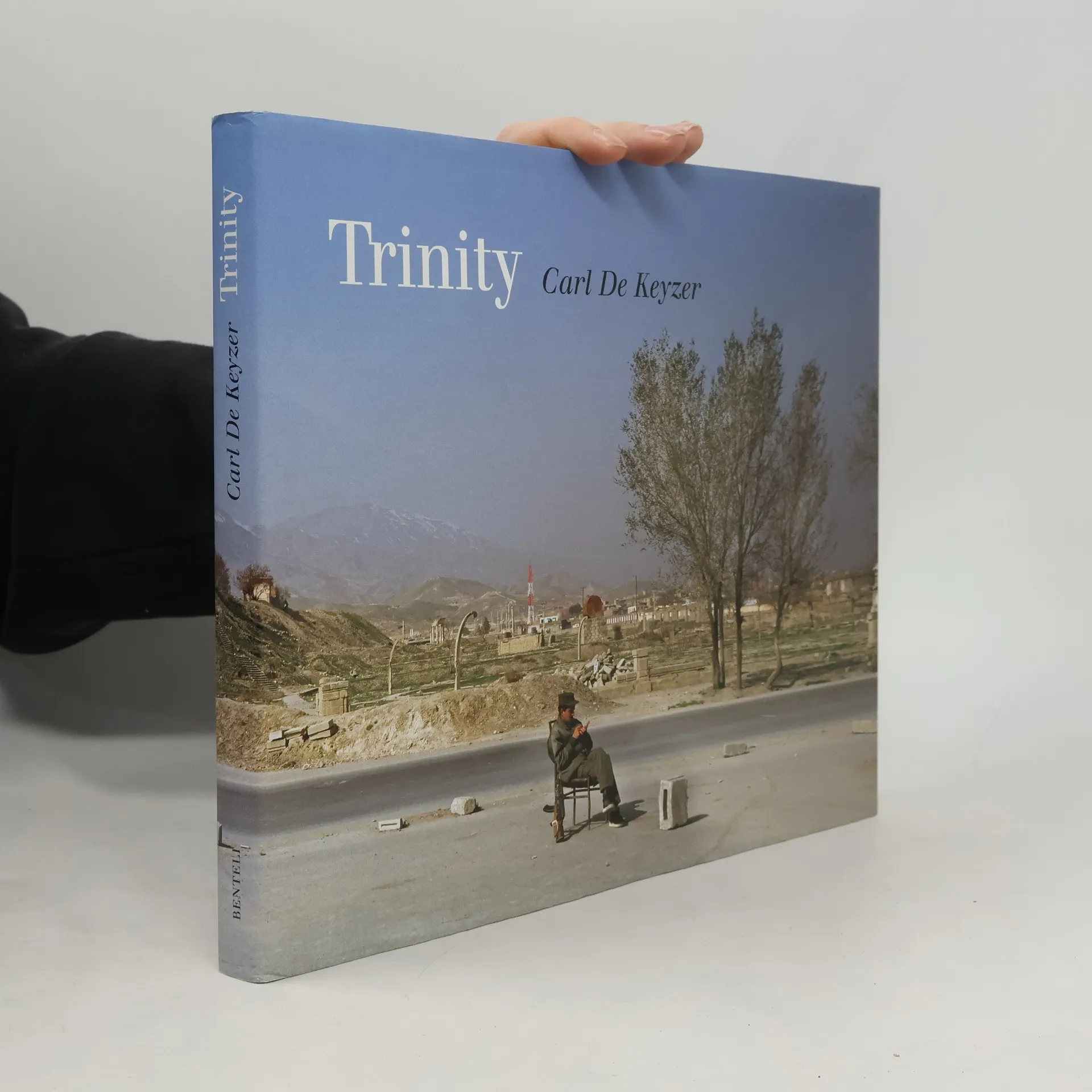
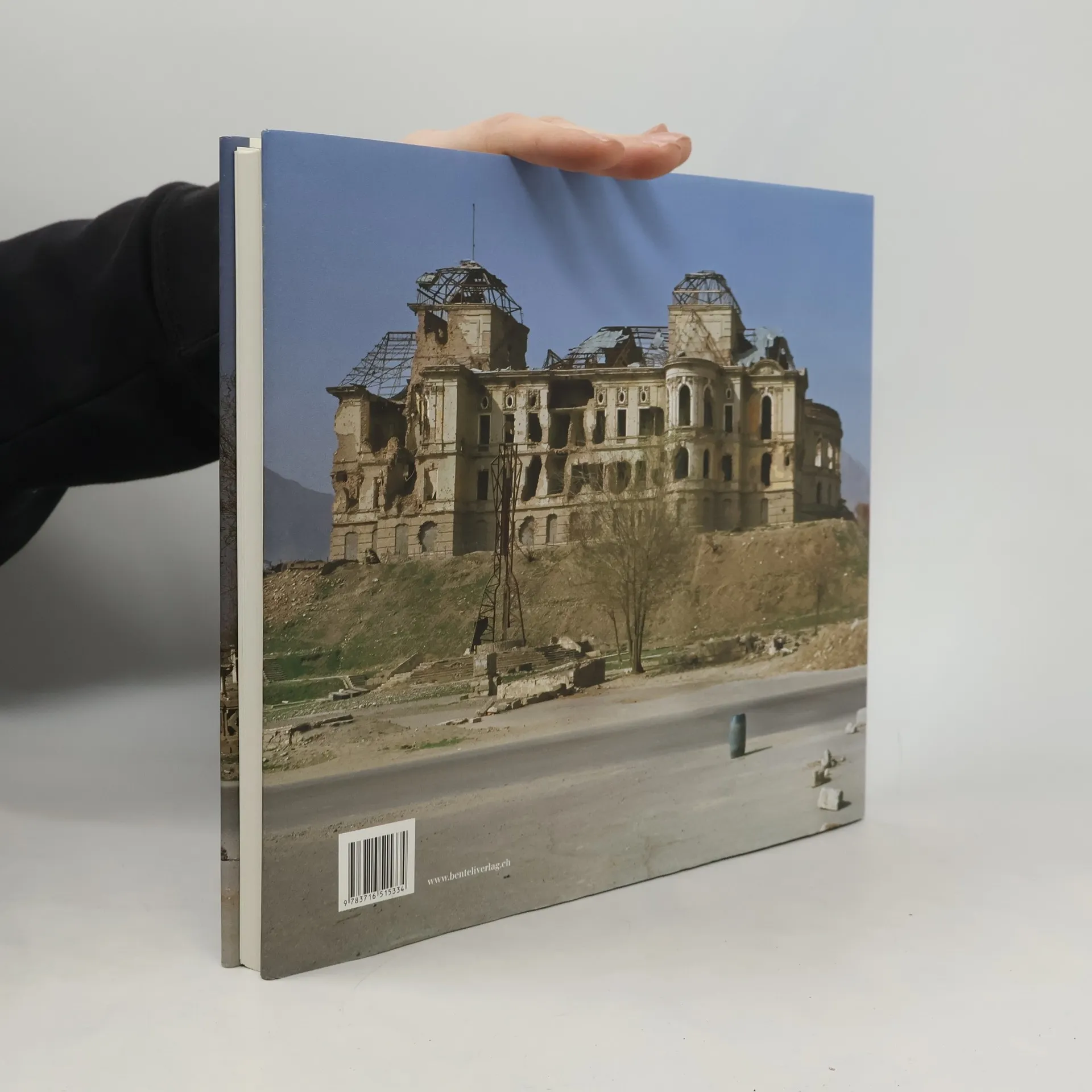
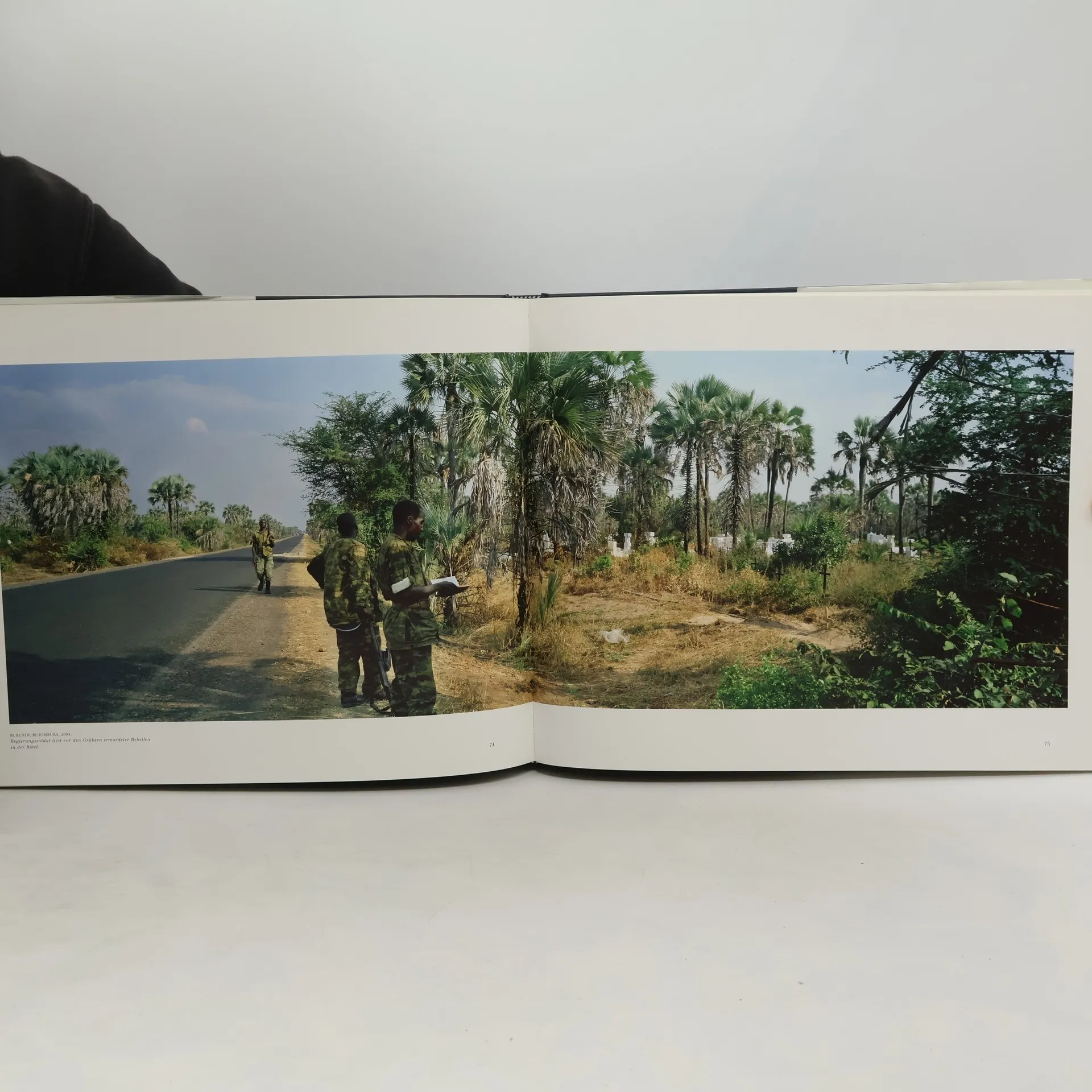
Trinty is a milestone in the work of Magnum photographer Carl De Keyzer. It is a triptych on the theme of he omnipresence of power and violence. The title itself refers not only to the traditional image of the Supreme Power in classical painting, but also, for example, to the code name of the ominous project with which Oppenheimer lead a team of atomic physicists to produce the first atom bomb. Based on three probing themes, De Keyzer grabs contemporary power, its images: Tableaux d' Histoire, Tableaux de Guerre; Tableaux Politiques. The first tableaux cast a surprising light on the theatrical that has characterized power since time immemorial and without which it could not exist. The second perspective shows us violence as a timeless, placeless phenomenon. War appears in an aesthetic of the sublime, although subdued and painful, as glorification, heroism and justitication are absent. The third part takes us behind the scenes of political power, which should, when all is said and done, actually be the power of the people; the facade, the lobbying, the backrooms, the haggling.
Zakup książki
Carl de Keyzer, Carl de Keyzer
- Język

- Rok wydania
- 2008
- Oprawa
- (twarda)
Metody płatności
Brakuje nam tutaj Twojej recenzji.
- Tytuł
- Carl de Keyzer
- Podtytuł
- Trinity
- Język
- niemiecki
- Autorzy
- Carl de Keyzer
- Wydawca
- Benteli
- Rok wydania
- 2008
- Oprawa
- twarda
- Liczba stron
- 151
- ISBN10
- 3716515337
- ISBN13
- 9783716515334
- Seria
- Ocena
- 3 z 5
- Opis
- Trinty is a milestone in the work of Magnum photographer Carl De Keyzer. It is a triptych on the theme of he omnipresence of power and violence. The title itself refers not only to the traditional image of the Supreme Power in classical painting, but also, for example, to the code name of the ominous project with which Oppenheimer lead a team of atomic physicists to produce the first atom bomb. Based on three probing themes, De Keyzer grabs contemporary power, its images: Tableaux d' Histoire, Tableaux de Guerre; Tableaux Politiques. The first tableaux cast a surprising light on the theatrical that has characterized power since time immemorial and without which it could not exist. The second perspective shows us violence as a timeless, placeless phenomenon. War appears in an aesthetic of the sublime, although subdued and painful, as glorification, heroism and justitication are absent. The third part takes us behind the scenes of political power, which should, when all is said and done, actually be the power of the people; the facade, the lobbying, the backrooms, the haggling.