

Więcej o książce
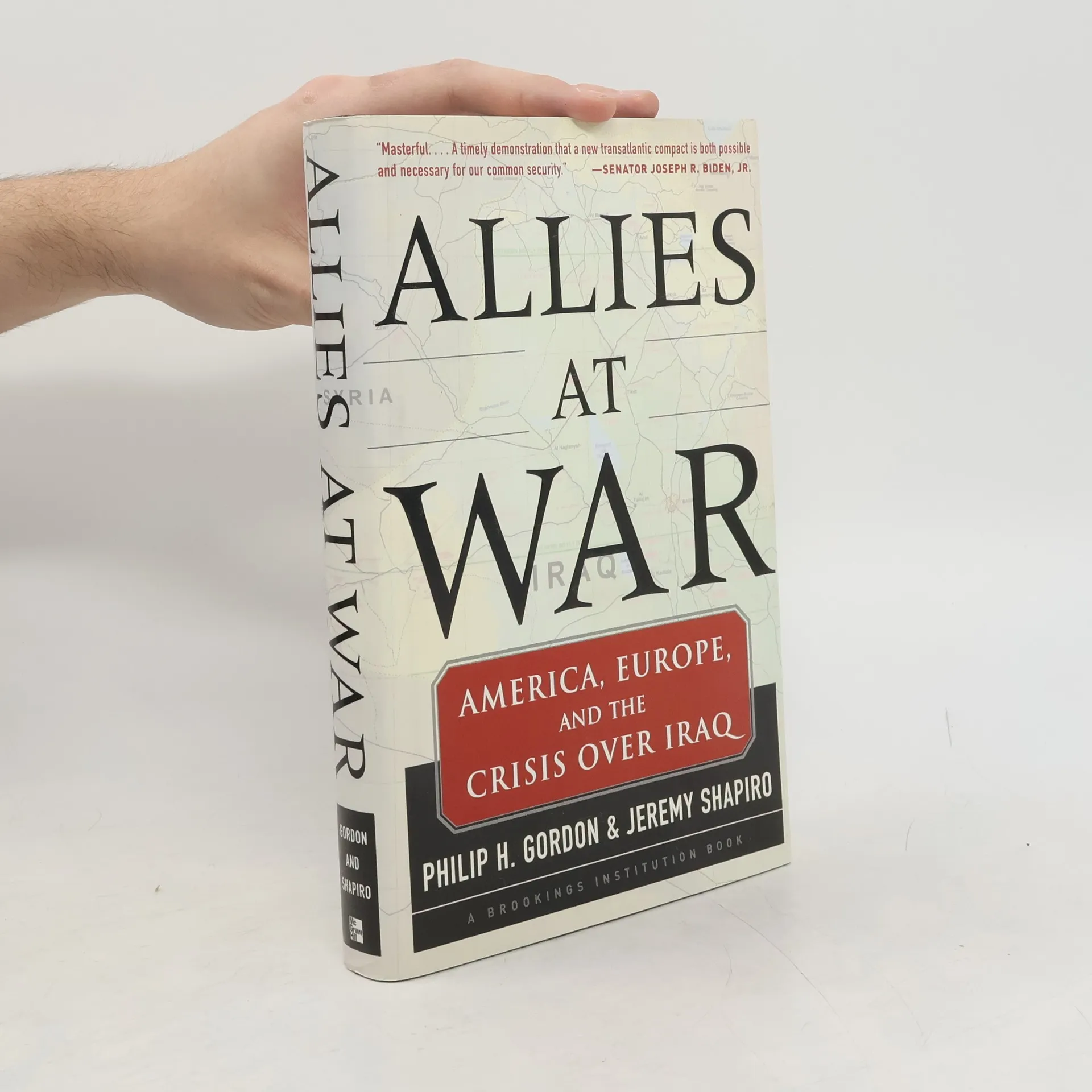
This comprehensive analysis explores the breakdown of U.S.-European relations during the Iraq crisis, drawing on extensive interviews with policymakers. It places the crisis in historical context, tracing U.S.-Europe relations since World War II and highlighting how the alliance has traditionally navigated internal challenges. The authors detail how strategic differences post-Cold War and earlier disputes over the Balkans and the Middle East had already raised concerns about the alliance's future. They argue that the unilateral diplomacy of the Bush administration exacerbated existing tensions, culminating in the Iraq crisis of 2003. Gordon and Shapiro contend that the deterioration of relations was not inevitable but stemmed from misguided decisions and provocations on both sides. They challenge the notion that the Iraq war marked the end of the Atlantic Alliance, cautioning that such assumptions could lead to isolation and increased burdens on the U.S. They assert that the alliance remains vital and can still work together to tackle pressing global issues. The book offers concrete proposals for revitalizing transatlantic relations and adapting the alliance to address contemporary challenges, including global terrorism and instability in the Middle East.
Zakup książki
Allies at War, Philip H. Gordon, Jeremy Shapiro
- Język

- Rok wydania
- 2004
- Oprawa
- (twarda)
Metody płatności
Brakuje nam tutaj Twojej recenzji.
- Tytuł
- Allies at War
- Podtytuł
- America, Europe and the Crisis Over Iraq
- Język
- angielski
- Autorzy
- Philip H. Gordon, Jeremy Shapiro
- Wydawca
- McGraw-Hill
- Rok wydania
- 2004
- Oprawa
- twarda
- Liczba stron
- 268
- ISBN10
- 0071441204
- ISBN13
- 9780071441209
- Seria
- Kategorie
- Ocena
- 3,6 z 5
- Opis
- This comprehensive analysis explores the breakdown of U.S.-European relations during the Iraq crisis, drawing on extensive interviews with policymakers. It places the crisis in historical context, tracing U.S.-Europe relations since World War II and highlighting how the alliance has traditionally navigated internal challenges. The authors detail how strategic differences post-Cold War and earlier disputes over the Balkans and the Middle East had already raised concerns about the alliance's future. They argue that the unilateral diplomacy of the Bush administration exacerbated existing tensions, culminating in the Iraq crisis of 2003. Gordon and Shapiro contend that the deterioration of relations was not inevitable but stemmed from misguided decisions and provocations on both sides. They challenge the notion that the Iraq war marked the end of the Atlantic Alliance, cautioning that such assumptions could lead to isolation and increased burdens on the U.S. They assert that the alliance remains vital and can still work together to tackle pressing global issues. The book offers concrete proposals for revitalizing transatlantic relations and adapting the alliance to address contemporary challenges, including global terrorism and instability in the Middle East.