

Więcej o książce
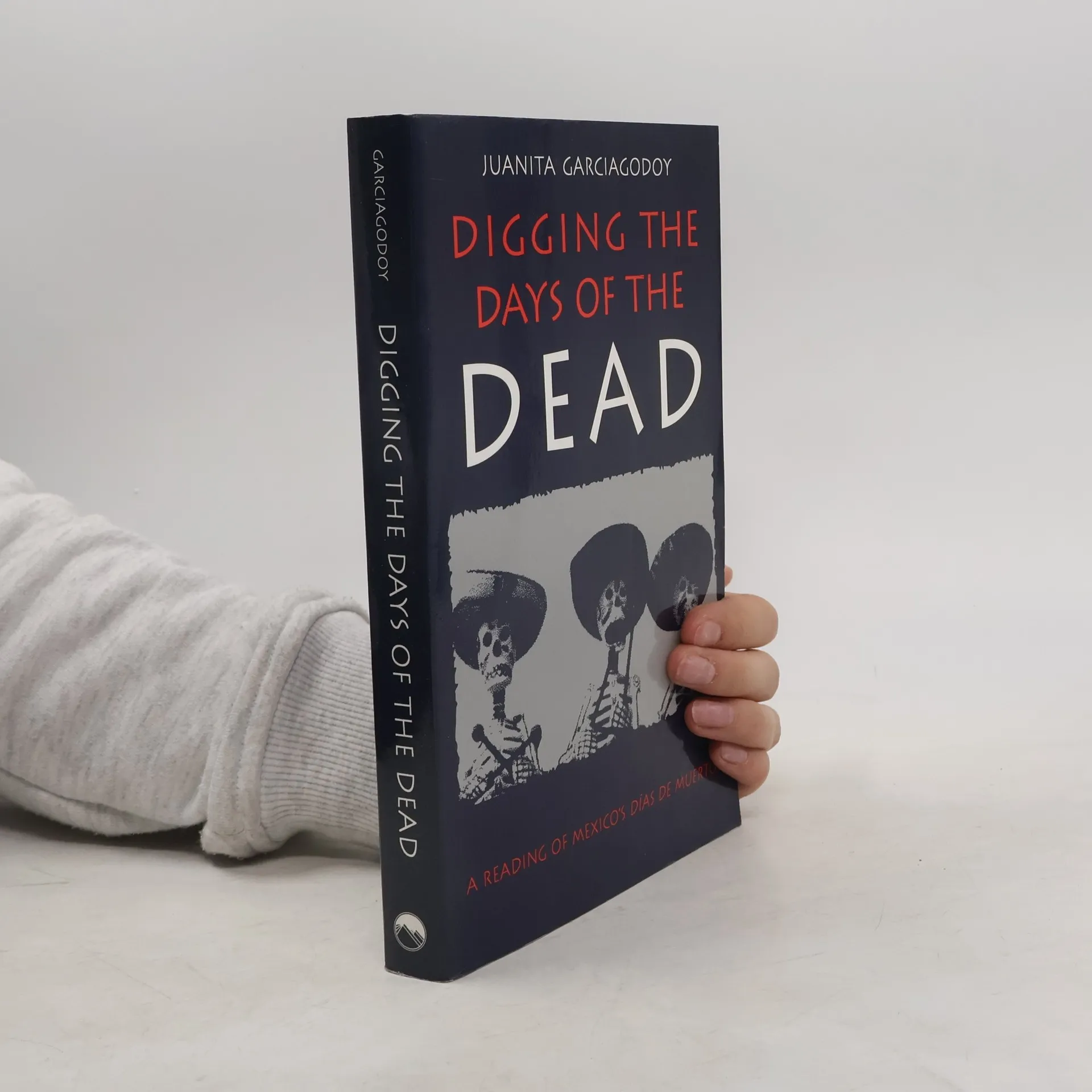
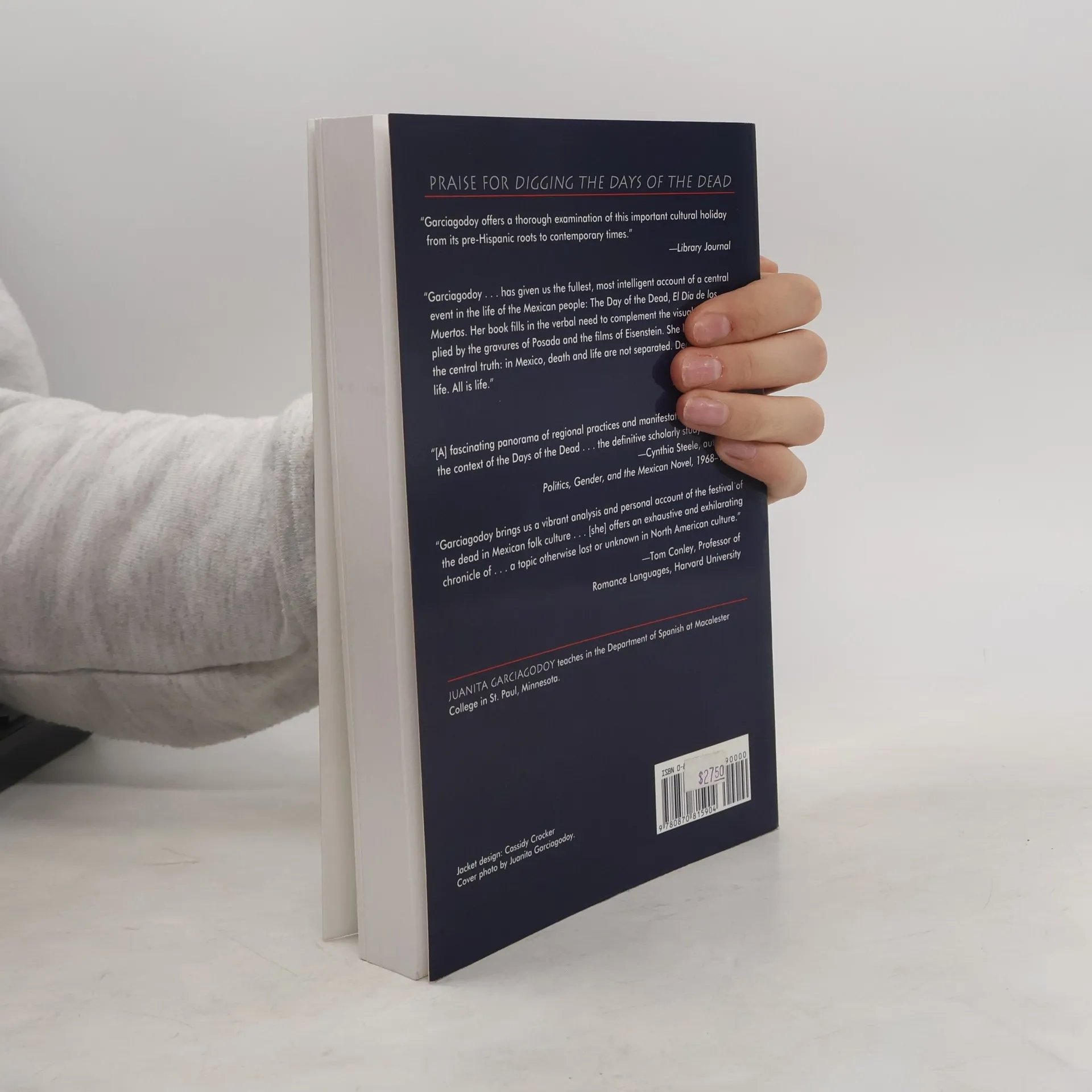
Dias de muertos, celebrated in Mexico in late October and early November, is a family reunion where the dead are honored with their favorite foods, gifts, and ritual items like candles and incense. These offerings reflect tenderness, a perspective on life and death, and sometimes humor. Juanita Garciagodoy explores various aspects of this celebration, highlighting its Prehispanic and Spanish Catholic influences, as well as folk and popular culture interpretations, and its evolving significance in contemporary Mexico. Two chapters focus on calaveras—vivid depictions of "lively" skeletons that illustrate popular philosophies regarding gender, class relations, and identity politics. The text also discusses the tension between the traditional holiday and Hallowe'en, alongside a detailed examination of differing attitudes towards death in Mexico compared to the United States. In Mexico, the living embrace the dead as part of their family, treating death as an intimate companion, while in the U.S., death is often viewed as a threat. Lavishly illustrated with 96 black and white photographs and Posada's engravings, this work is essential for scholars of Mexican religion and culture.
Zakup książki
Digging the Days of the Dead, Juanita Garciagodoy
- Język

- Rok wydania
- 1998
- Oprawa
- (miękka)
Metody płatności
Brakuje nam tutaj Twojej recenzji.
- Tytuł
- Digging the Days of the Dead
- Podtytuł
- A Reading of Mexico's Días de Muertos
- Język
- angielski
- Autorzy
- Juanita Garciagodoy
- Wydawca
- University Press of Colorado
- Rok wydania
- 1998
- Oprawa
- miękka
- Liczba stron
- 368
- ISBN10
- 0870815903
- ISBN13
- 9780870815904
- Seria
- Ocena
- 3,9 z 5
- Opis
- Dias de muertos, celebrated in Mexico in late October and early November, is a family reunion where the dead are honored with their favorite foods, gifts, and ritual items like candles and incense. These offerings reflect tenderness, a perspective on life and death, and sometimes humor. Juanita Garciagodoy explores various aspects of this celebration, highlighting its Prehispanic and Spanish Catholic influences, as well as folk and popular culture interpretations, and its evolving significance in contemporary Mexico. Two chapters focus on calaveras—vivid depictions of "lively" skeletons that illustrate popular philosophies regarding gender, class relations, and identity politics. The text also discusses the tension between the traditional holiday and Hallowe'en, alongside a detailed examination of differing attitudes towards death in Mexico compared to the United States. In Mexico, the living embrace the dead as part of their family, treating death as an intimate companion, while in the U.S., death is often viewed as a threat. Lavishly illustrated with 96 black and white photographs and Posada's engravings, this work is essential for scholars of Mexican religion and culture.