

Parametry
- 314 stron
- 11 godzin czytania
Więcej o książce
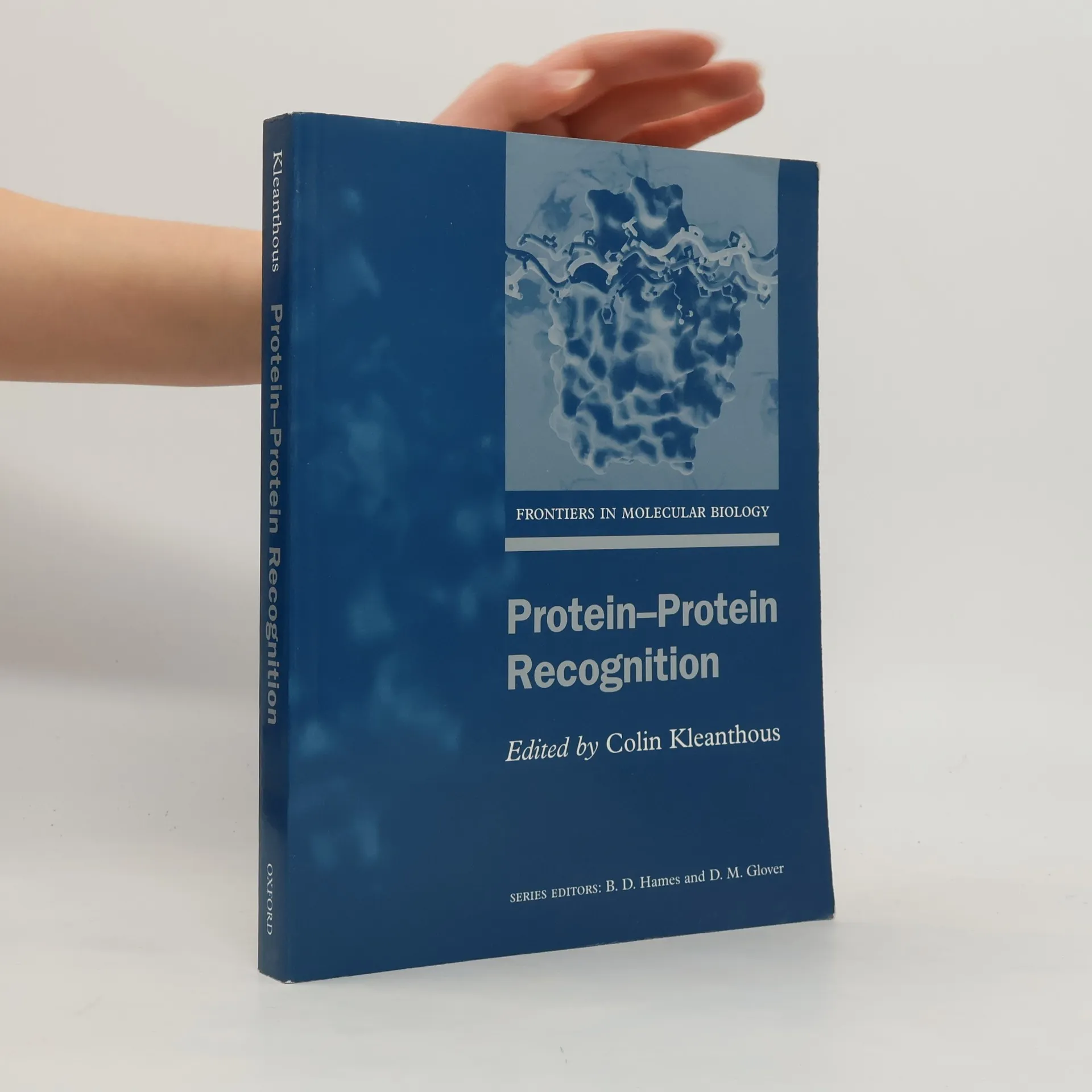
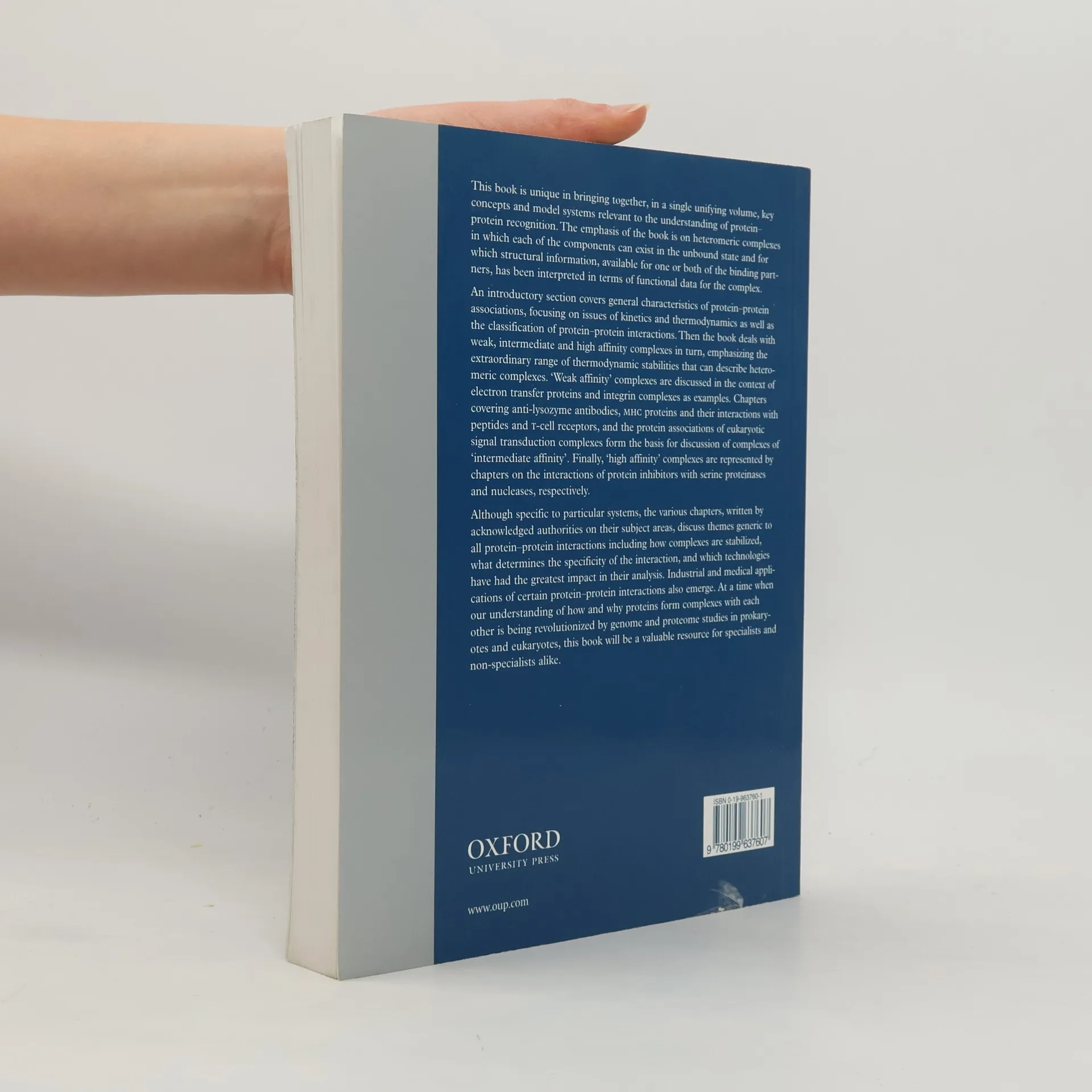
In the light of new information from the genome sequencing projects and the increase in structural information, this book brings together concepts and systems pertaining to protein-protein interactions in an examination of how and why proteins form complexes with each other. The emphasis of the text is on heteromeric complexes and uses well-studied model systems to explain the processes of forming complexes. There is an introductory section on the kinetics, thermodynamics, analysis, and classification of protein-protein interactions. Electron transfer proteins and integrin complexes represent weak affinity complexes. Anti-lysosomal antibodies, the MHC proteins and their interactions with T-cell receptors, and the protein interactions of eukaryotic signal transduction are the systems used to explain complexes with intermediate affinities. Throughout the book the common themes are the technologies which have had the greatest impact, how specificity is determined, how complexes are stabilized, and medical and industrial applications.
Zakup książki
Frontiers in Molecular Biology - 31: Protein-Protein Recognition, Colin Kleanthous, B. D. Hames, D. M. Glover
- Język

- Rok wydania
- 2000
- Oprawa
- (miękka)
Metody płatności
Brakuje nam tutaj Twojej recenzji.
- Tytuł
- Frontiers in Molecular Biology - 31: Protein-Protein Recognition
- Język
- angielski
- Autorzy
- Colin Kleanthous, B. D. Hames, D. M. Glover
- Wydawca
- Oxford University Press
- Rok wydania
- 2000
- Oprawa
- miękka
- Liczba stron
- 314
- ISBN10
- 0199637601
- ISBN13
- 9780199637607
- Seria
- Tagi
- Podręczniki, Nauki przyrodnicze, Podręczniki akademickie, Nauka, Tematyka medyczna, Podręczniki biologii, Farmakologia, Biochemia, Fizjologia, Biologia molekularna
- Ocena
- 2 z 5
- Opis
- In the light of new information from the genome sequencing projects and the increase in structural information, this book brings together concepts and systems pertaining to protein-protein interactions in an examination of how and why proteins form complexes with each other. The emphasis of the text is on heteromeric complexes and uses well-studied model systems to explain the processes of forming complexes. There is an introductory section on the kinetics, thermodynamics, analysis, and classification of protein-protein interactions. Electron transfer proteins and integrin complexes represent weak affinity complexes. Anti-lysosomal antibodies, the MHC proteins and their interactions with T-cell receptors, and the protein interactions of eukaryotic signal transduction are the systems used to explain complexes with intermediate affinities. Throughout the book the common themes are the technologies which have had the greatest impact, how specificity is determined, how complexes are stabilized, and medical and industrial applications.