



Ocena książki
Więcej o książce
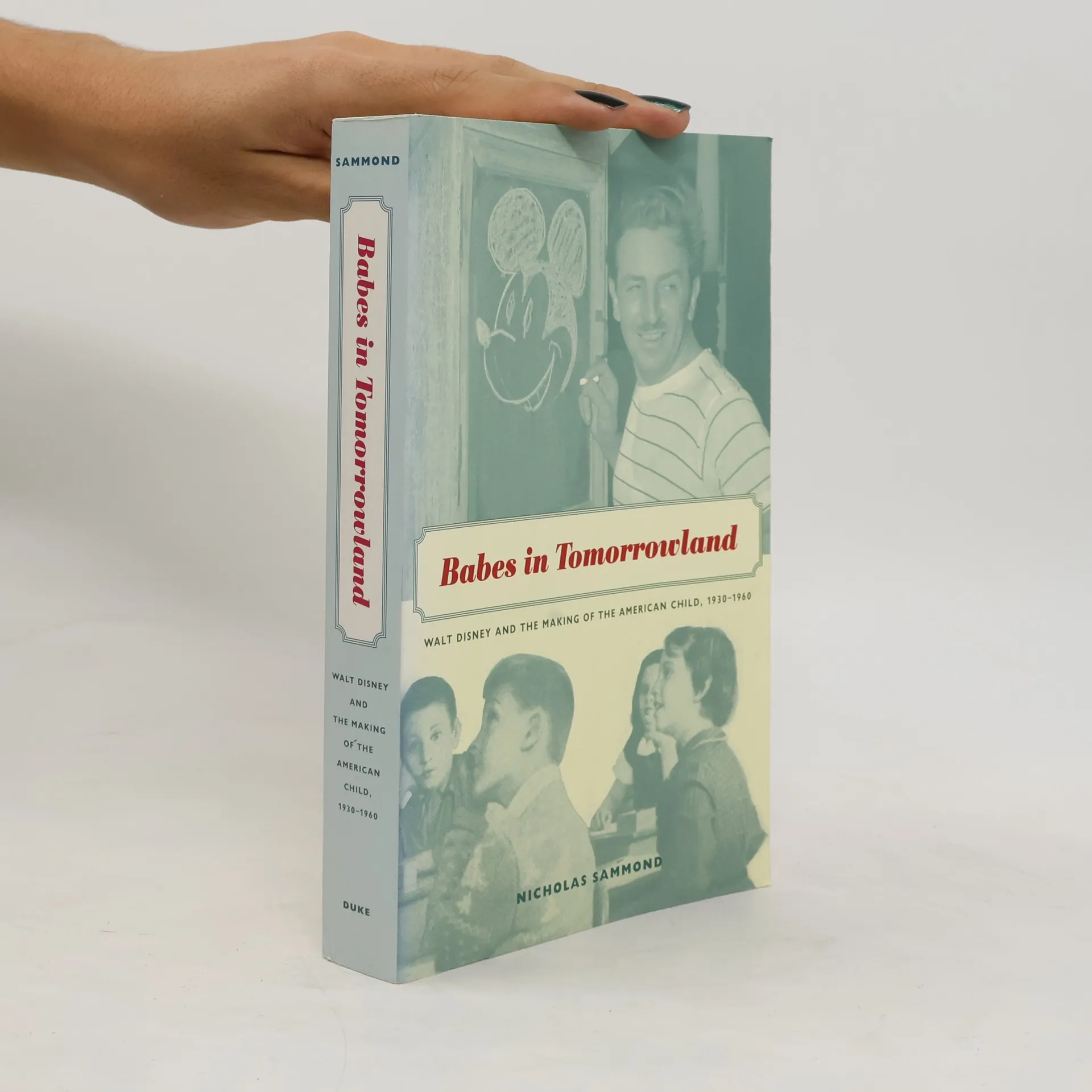
Linking Margaret Mead to the Mickey Mouse Club and behaviorism to Bambi, Nicholas Sammond explores the early-twentieth-century origins of “the normal American child.” He uncovers how this concept emerged from the interplay between developmental science and popular media, revealing a more symbiotic relationship than the notion that children are solely shaped by media suggests. By focusing on Walt Disney's products, Sammond argues that the vision of a normal American child and the belief in media's role in child development were crucial for Disney's success as a family entertainment leader. Conversely, without media producers like Disney, representations of the ideal child would not have permeated American culture as they did. Sammond vividly illustrates how contemporary ideas about human development influenced child-rearing practices and how magazines and parenting manuals portrayed the child as central to an ideal American culture. He details how Walt Disney Productions’ most significant creation—the image of Walt Disney himself—reflected evolving beliefs about what was best for children and society. By integrating popular child-rearing manuals, periodicals, advertisements, and sociological texts with Disney's films, TV programs, and promotional materials, the work reveals a child that was both a precursor to popular media and a victim of its excesses.
Zakup książki
Babes in Tomorrowland, Nicholas Sammond
- Język

- Rok wydania
- 2005
- Oprawa
- (miękka)
Metody płatności
Brakuje nam tutaj Twojej recenzji.
- Tytuł
- Babes in Tomorrowland
- Podtytuł
- Walt Disney and the Making of the American Child, 1930-1960
- Język
- angielski
- Autorzy
- Nicholas Sammond
- Wydawca
- Duke University Press
- Rok wydania
- 2005
- Oprawa
- miękka
- Liczba stron
- 488
- ISBN10
- 0822334631
- ISBN13
- 9780822334637
- Seria
- Ocena
- 3,5 z 5
- Opis
- Linking Margaret Mead to the Mickey Mouse Club and behaviorism to Bambi, Nicholas Sammond explores the early-twentieth-century origins of “the normal American child.” He uncovers how this concept emerged from the interplay between developmental science and popular media, revealing a more symbiotic relationship than the notion that children are solely shaped by media suggests. By focusing on Walt Disney's products, Sammond argues that the vision of a normal American child and the belief in media's role in child development were crucial for Disney's success as a family entertainment leader. Conversely, without media producers like Disney, representations of the ideal child would not have permeated American culture as they did. Sammond vividly illustrates how contemporary ideas about human development influenced child-rearing practices and how magazines and parenting manuals portrayed the child as central to an ideal American culture. He details how Walt Disney Productions’ most significant creation—the image of Walt Disney himself—reflected evolving beliefs about what was best for children and society. By integrating popular child-rearing manuals, periodicals, advertisements, and sociological texts with Disney's films, TV programs, and promotional materials, the work reveals a child that was both a precursor to popular media and a victim of its excesses.