

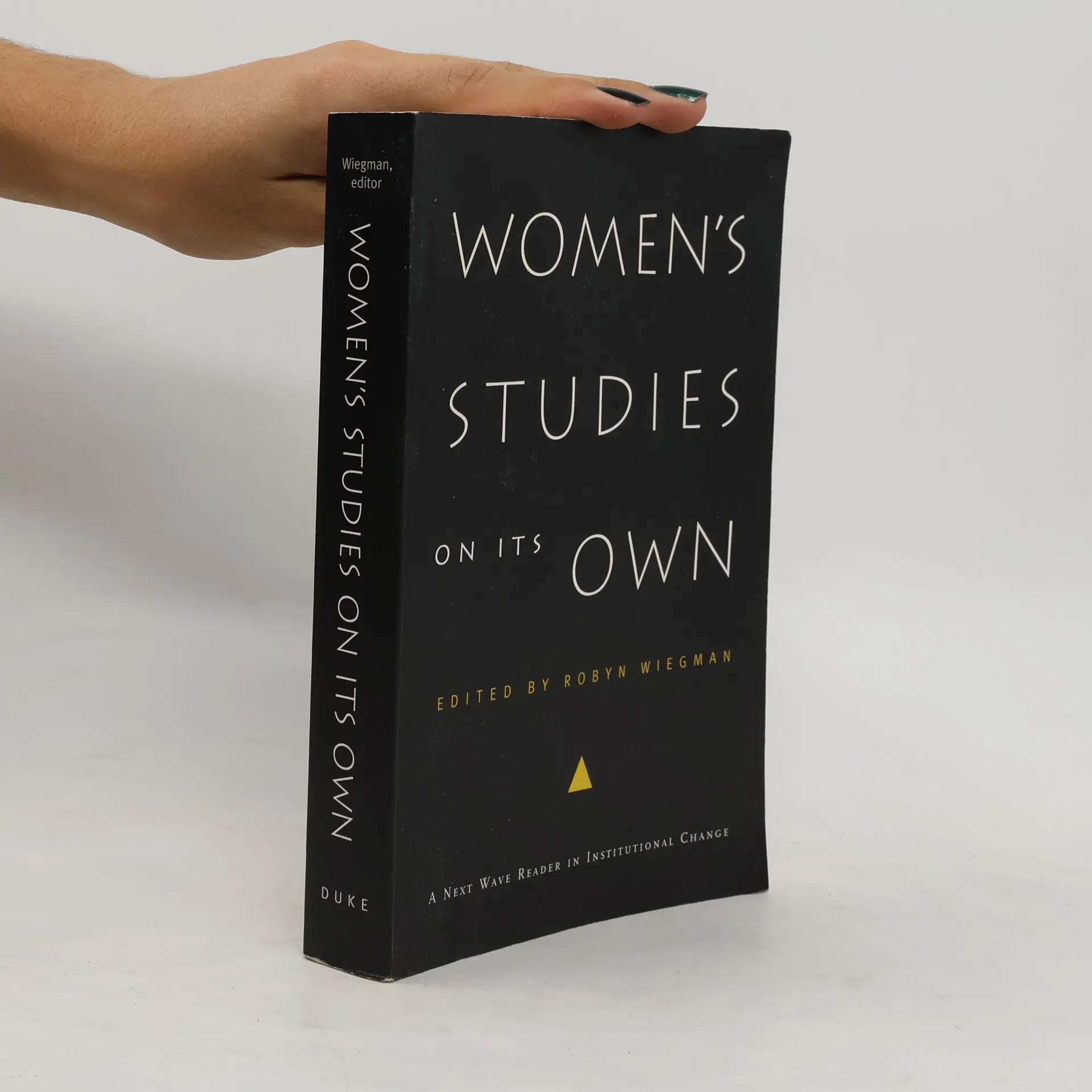

Next Wave: New Directions in Women's Studies: Women's Studies on Its Own
A Next Wave Reader in Institutional Change
Ocena książki
Więcej o książce
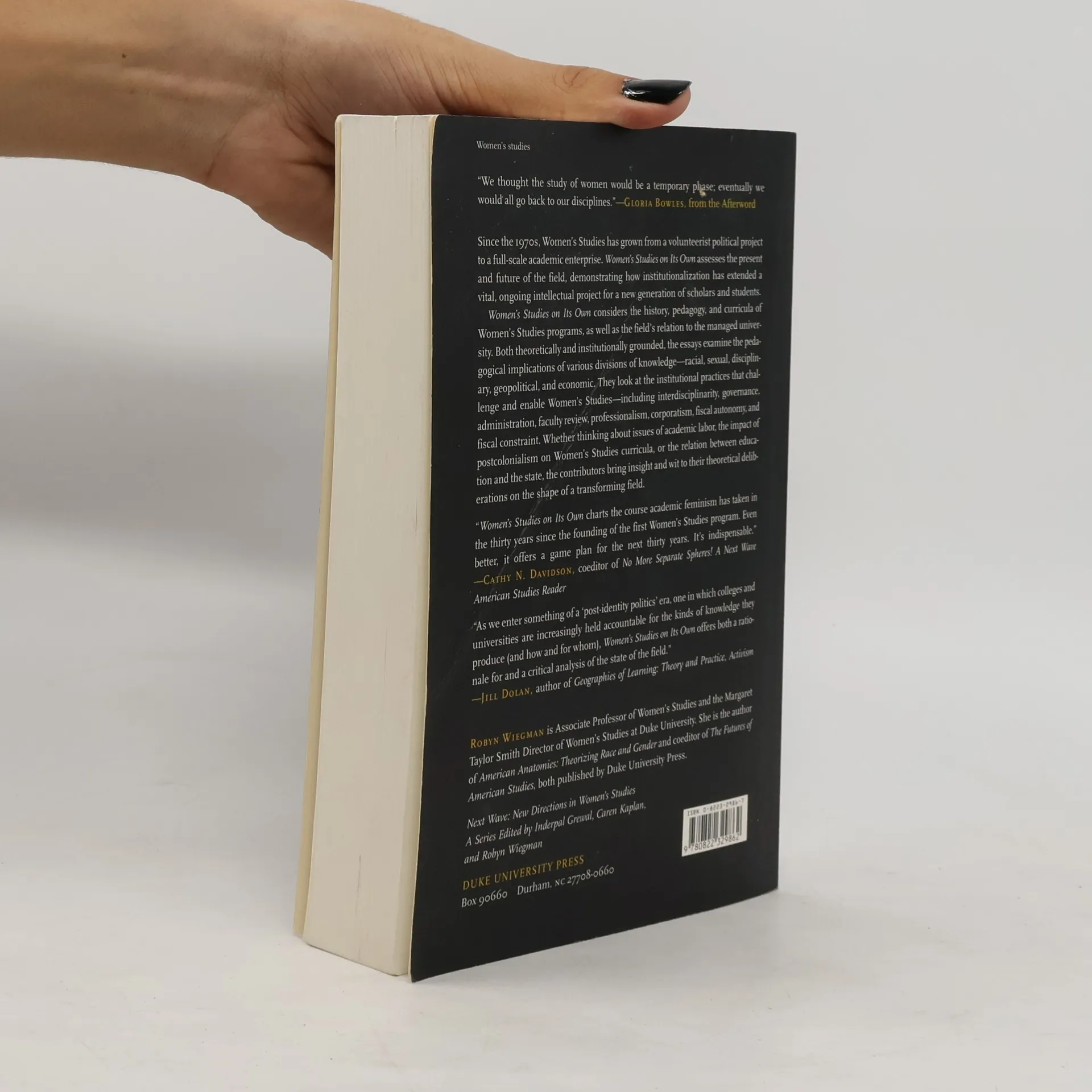
Since the 1970s, Women's Studies has evolved from a grassroots initiative into a significant academic discipline. This work evaluates the current and future landscape of the field, illustrating how its institutionalization has fostered a vital intellectual project for new scholars and students. It explores the history, pedagogy, and curricula of Women's Studies programs, as well as their relationship with the managed university. The essays, grounded both theoretically and institutionally, delve into the pedagogical implications of various knowledge divisions—racial, sexual, disciplinary, geopolitical, and economic. They analyze institutional practices that both challenge and support Women's Studies, including interdisciplinarity, governance, administration, faculty review, professionalism, corporatism, and financial constraints. Contributors engage with topics such as academic labor, the influence of postcolonialism on curricula, and the connection between education and the state, offering insightful and witty theoretical reflections on the evolving nature of the field. This collective work represents a significant contribution to understanding Women's Studies as a dynamic and transformative academic discipline.
Zakup książki
Next Wave: New Directions in Women's Studies: Women's Studies on Its Own, Robyn Wiegman, Miranda Joseph, Inderpal Grewal
- Język

- Rok wydania
- 2002
- Oprawa
- (miękka)
Metody płatności
Brakuje nam tutaj Twojej recenzji.
- Tytuł
- Next Wave: New Directions in Women's Studies: Women's Studies on Its Own
- Podtytuł
- A Next Wave Reader in Institutional Change
- Język
- angielski
- Autorzy
- Robyn Wiegman, Miranda Joseph, Inderpal Grewal
- Wydawca
- Duke University Press
- Rok wydania
- 2002
- Oprawa
- miękka
- Liczba stron
- 512
- ISBN10
- 0822329867
- ISBN13
- 9780822329862
- Ocena
- 3,75 z 5
- Opis
- Since the 1970s, Women's Studies has evolved from a grassroots initiative into a significant academic discipline. This work evaluates the current and future landscape of the field, illustrating how its institutionalization has fostered a vital intellectual project for new scholars and students. It explores the history, pedagogy, and curricula of Women's Studies programs, as well as their relationship with the managed university. The essays, grounded both theoretically and institutionally, delve into the pedagogical implications of various knowledge divisions—racial, sexual, disciplinary, geopolitical, and economic. They analyze institutional practices that both challenge and support Women's Studies, including interdisciplinarity, governance, administration, faculty review, professionalism, corporatism, and financial constraints. Contributors engage with topics such as academic labor, the influence of postcolonialism on curricula, and the connection between education and the state, offering insightful and witty theoretical reflections on the evolving nature of the field. This collective work represents a significant contribution to understanding Women's Studies as a dynamic and transformative academic discipline.