

Więcej o książce
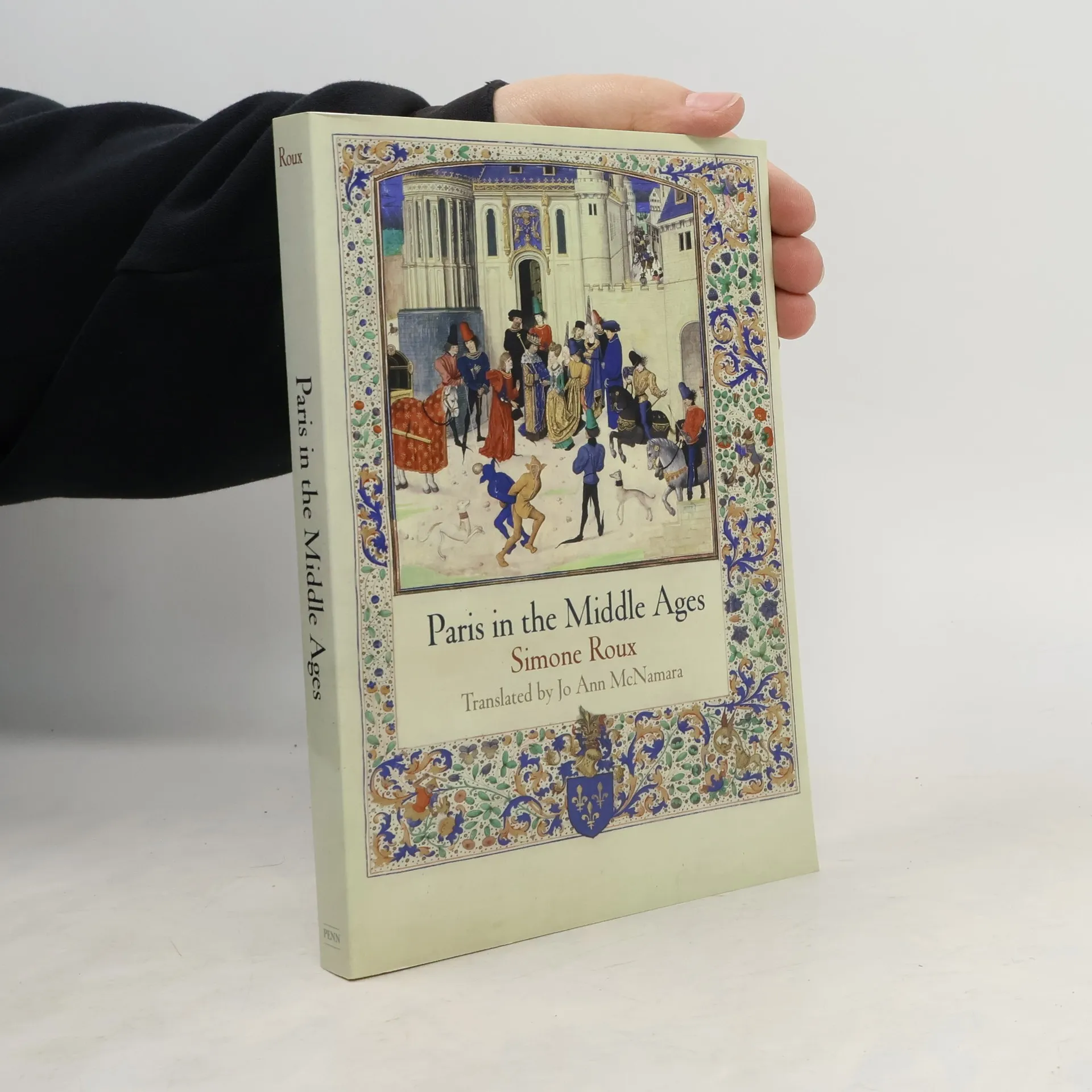
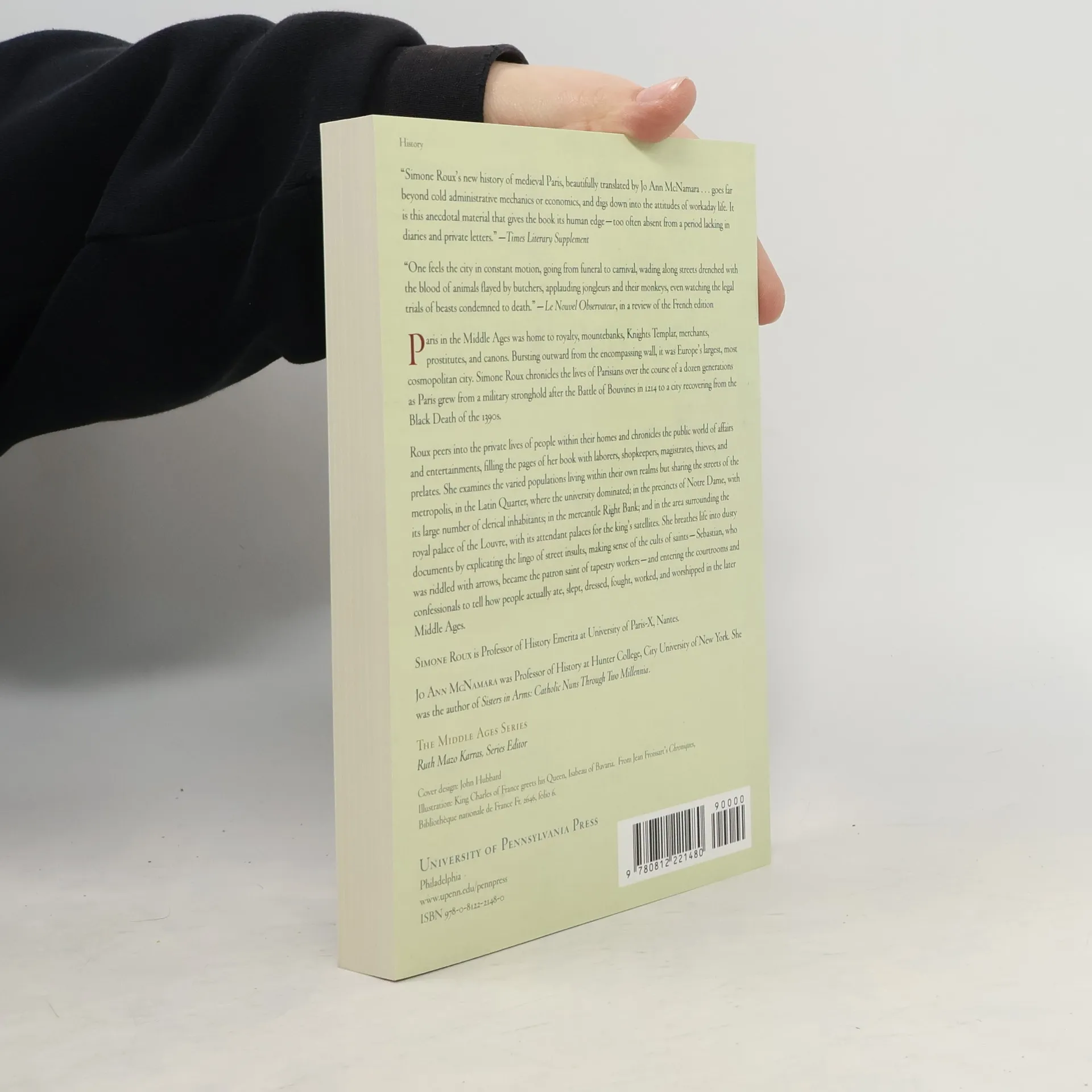
Paris in the Middle Ages was home to royalty, mountebanks, Knights Templar, merchants, prostitutes, and canons. Bursting outward from the encompassing wall, it was Europe's largest, most cosmopolitan city. Simone Roux chronicles the lives of Parisians over the course of a dozen generations as Paris grew from a military stronghold after the Battle of Bouvines in 1214 to a city recovering from the Black Death of the 1390s. Roux peers into the private lives of people within their homes and chronicles the public world of affairs and entertainments, filling the pages of her book with laborers, shopkeepers, magistrates, thieves, and prelates. She examines the varied populations living within their own realms but sharing the streets of the metropolis, in the Latin Quarter, where the university dominated; in the precincts of Notre Dame, with its large number of clerical inhabitants; the mercantile Right Bank; and in the area surrounding the royal palace of the Louvre, with its attendant palaces for the king's satellites. She breathes life into dusty documents by explicating the lingo of street insults, making sense of the cults of saints--Sebastian, who was riddled with arrows, became the patron saint of tapestry workers--and entering the courtrooms and confessionals to tell how people actually ate, slept, dressed, fought, worked, and worshipped in the later Middle Ages.
Zakup książki
Paris in the Middle Ages, Simone Roux, Jo Ann McNamara
- Język

- Rok wydania
- 2011
- Oprawa
- (miękka)
Metody płatności
Brakuje nam tutaj Twojej recenzji.
- Tytuł
- Paris in the Middle Ages
- Język
- angielski
- Autorzy
- Simone Roux, Jo Ann McNamara
- Rok wydania
- 2011
- Oprawa
- miękka
- Liczba stron
- 272
- ISBN10
- 0812221486
- ISBN13
- 9780812221480
- Seria
- Kategorie
- Tagi
- USA, Francja, Europa, Średniowiecze, Historia Europy, Miasta, Gminy, Mieszczaństwo
- Ocena
- 3,8 z 5
- Opis
- Paris in the Middle Ages was home to royalty, mountebanks, Knights Templar, merchants, prostitutes, and canons. Bursting outward from the encompassing wall, it was Europe's largest, most cosmopolitan city. Simone Roux chronicles the lives of Parisians over the course of a dozen generations as Paris grew from a military stronghold after the Battle of Bouvines in 1214 to a city recovering from the Black Death of the 1390s. Roux peers into the private lives of people within their homes and chronicles the public world of affairs and entertainments, filling the pages of her book with laborers, shopkeepers, magistrates, thieves, and prelates. She examines the varied populations living within their own realms but sharing the streets of the metropolis, in the Latin Quarter, where the university dominated; in the precincts of Notre Dame, with its large number of clerical inhabitants; the mercantile Right Bank; and in the area surrounding the royal palace of the Louvre, with its attendant palaces for the king's satellites. She breathes life into dusty documents by explicating the lingo of street insults, making sense of the cults of saints--Sebastian, who was riddled with arrows, became the patron saint of tapestry workers--and entering the courtrooms and confessionals to tell how people actually ate, slept, dressed, fought, worked, and worshipped in the later Middle Ages.