

Więcej o książce
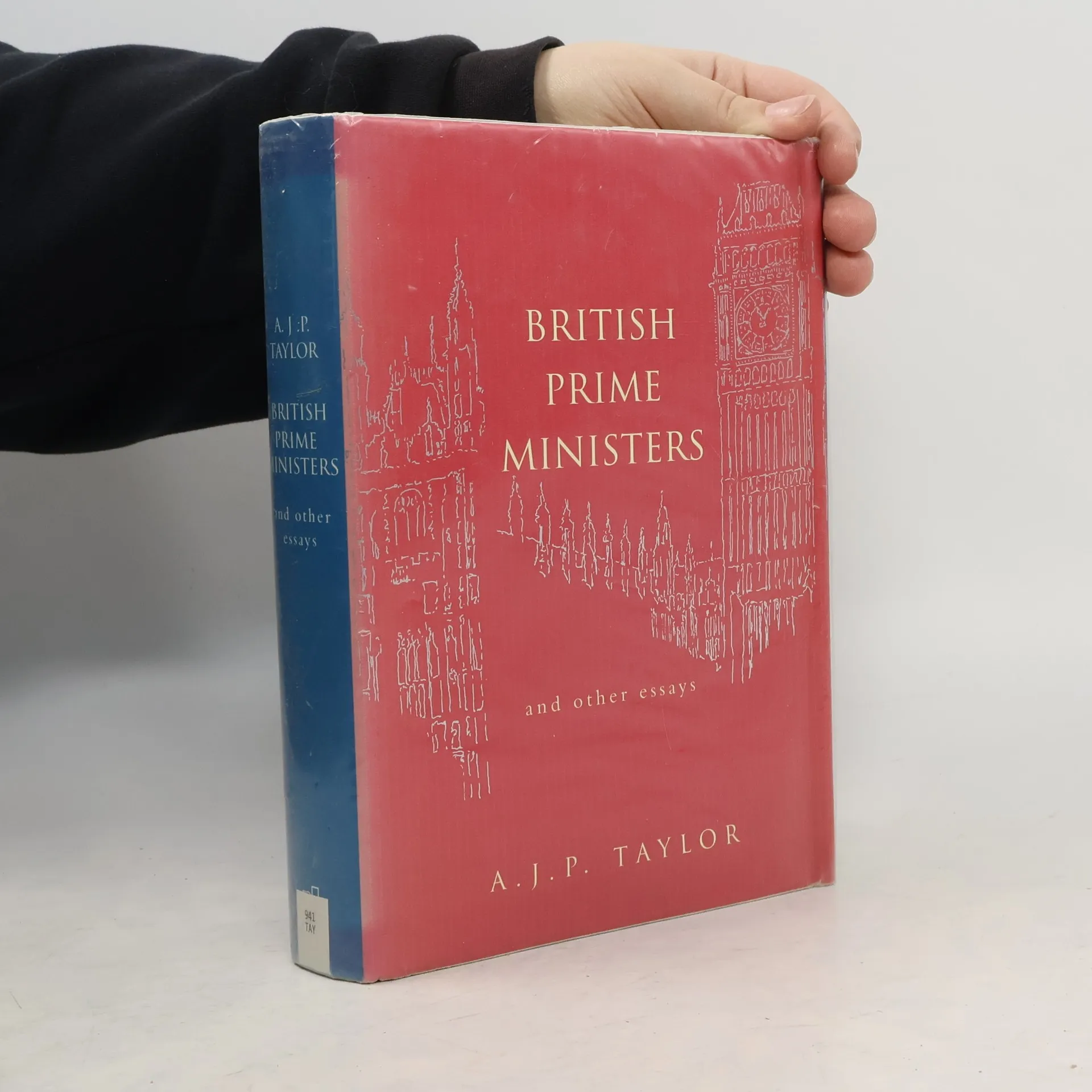
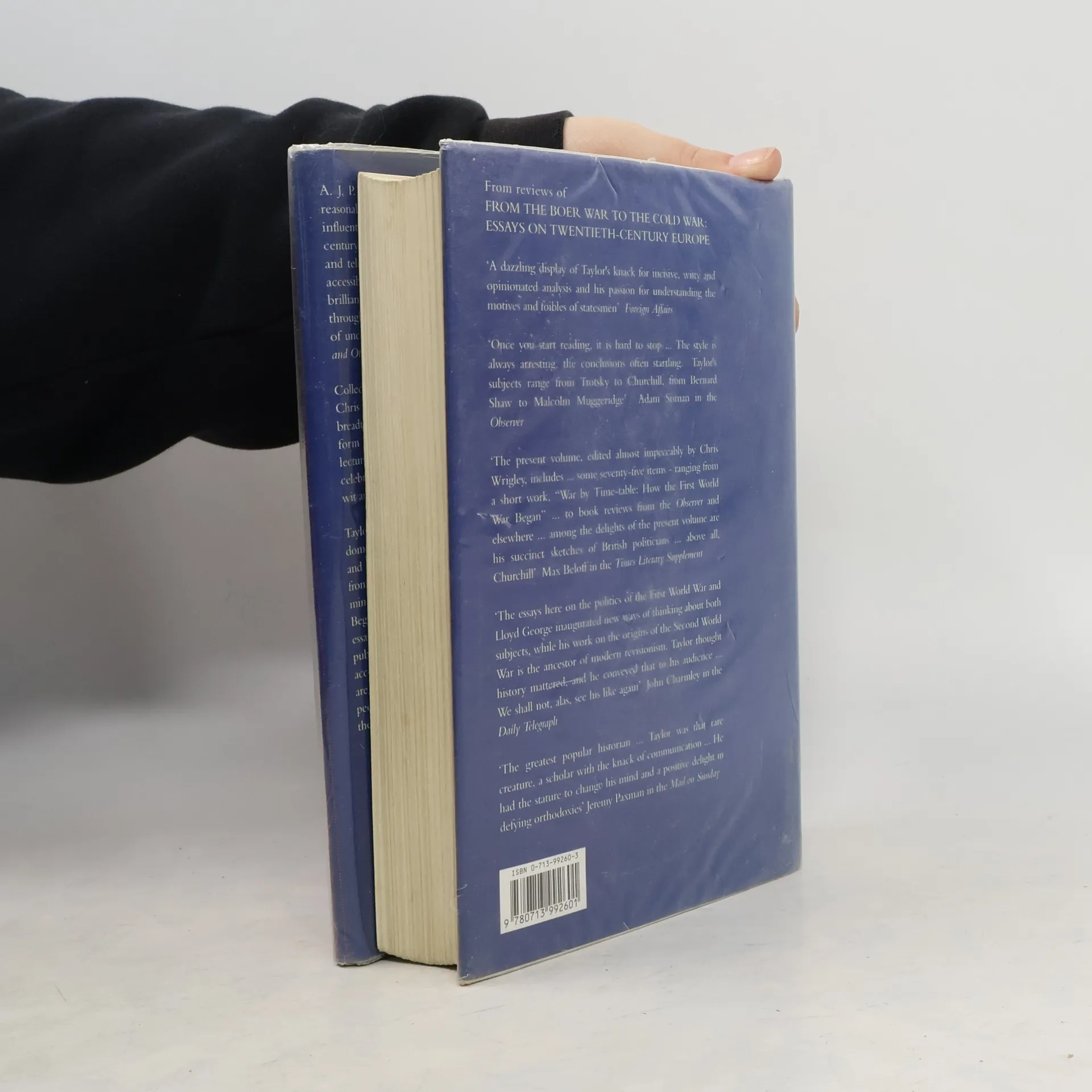
A. J. P. Taylor could never be dull, least of all in the essay. The medium was perfect for his qualities. In expression he displayed elegant brevity: in argument paradox: in knowledge lightly-worn mastery. The result was an aphoristic concinnity only perhaps bettered among historians by Macaulay. Faber are reissuing three volumes of essays expertly assembled and introduced by Chris Wrigley. This third volume is the most wide-ranging, including essays on British Prime Ministers from Sir Robert Walpole to Anthony Eden; How Wars Begin; How Wars End; The Congress of Vienna and, one of his more unlikely heroes, Lord Beaverbrook. 'He (Taylor) presented history in a vibrant, living, communicable form with many crucial messages for the present . . . this collection reminds is of his vast contribution.' Andrew Roberts, Daily Telegraph
Zakup książki
Allen Lane History: British Prime Ministers and Other Essays, A. J. P. Taylor, Chris Wrigley
- Język

- Rok wydania
- 1999
- Oprawa
- (twarda)
Metody płatności
Nikt jeszcze nie ocenił.
- Tytuł
- Allen Lane History: British Prime Ministers and Other Essays
- Język
- angielski
- Autorzy
- A. J. P. Taylor, Chris Wrigley
- Wydawca
- Allen Lane
- Rok wydania
- 1999
- Oprawa
- twarda
- Liczba stron
- 464
- ISBN10
- 0713992603
- ISBN13
- 9780713992601
- Seria
- Opis
- A. J. P. Taylor could never be dull, least of all in the essay. The medium was perfect for his qualities. In expression he displayed elegant brevity: in argument paradox: in knowledge lightly-worn mastery. The result was an aphoristic concinnity only perhaps bettered among historians by Macaulay. Faber are reissuing three volumes of essays expertly assembled and introduced by Chris Wrigley. This third volume is the most wide-ranging, including essays on British Prime Ministers from Sir Robert Walpole to Anthony Eden; How Wars Begin; How Wars End; The Congress of Vienna and, one of his more unlikely heroes, Lord Beaverbrook. 'He (Taylor) presented history in a vibrant, living, communicable form with many crucial messages for the present . . . this collection reminds is of his vast contribution.' Andrew Roberts, Daily Telegraph