

Parametry
- 360 stron
- 13 godzin czytania
Więcej o książce
Several bipolar states, such as Rwanda, Burundi, and Sri Lanka, have faced brutal violence and state collapse. In contrast, Latvia and Kazakhstan have largely avoided such communal conflict, prompting an in-depth analysis of their ethnopolitical landscapes. Notably, these countries have the lowest proportions of titular populations among former Soviet states, with approximately 57% in Latvia and 50% in Kazakhstan as of 1997. This demographic reality raises questions about the effectiveness of ethnic-based nation-building in fostering unity, as one might expect it to exacerbate tensions between titular groups and outsiders. Nevertheless, both Latvia and Kazakhstan have pursued nation-building efforts that emphasize the traditions and symbols of their titular cultures while treating other ethnic groups as minorities. The processes differ slightly, with Latvia focusing on "latvification" and Kazakhstan on "kazakification." This raises critical questions about the feasibility of integrating such disparate populations. The answers may vary due to the distinct contexts of each country: Latvia, a small European nation, and Kazakhstan, a vast territory spanning Europe and Asia. The interplay of similarities and differences between these cases offers valuable insights into the complexities of post-Soviet nation-building.
Zakup książki
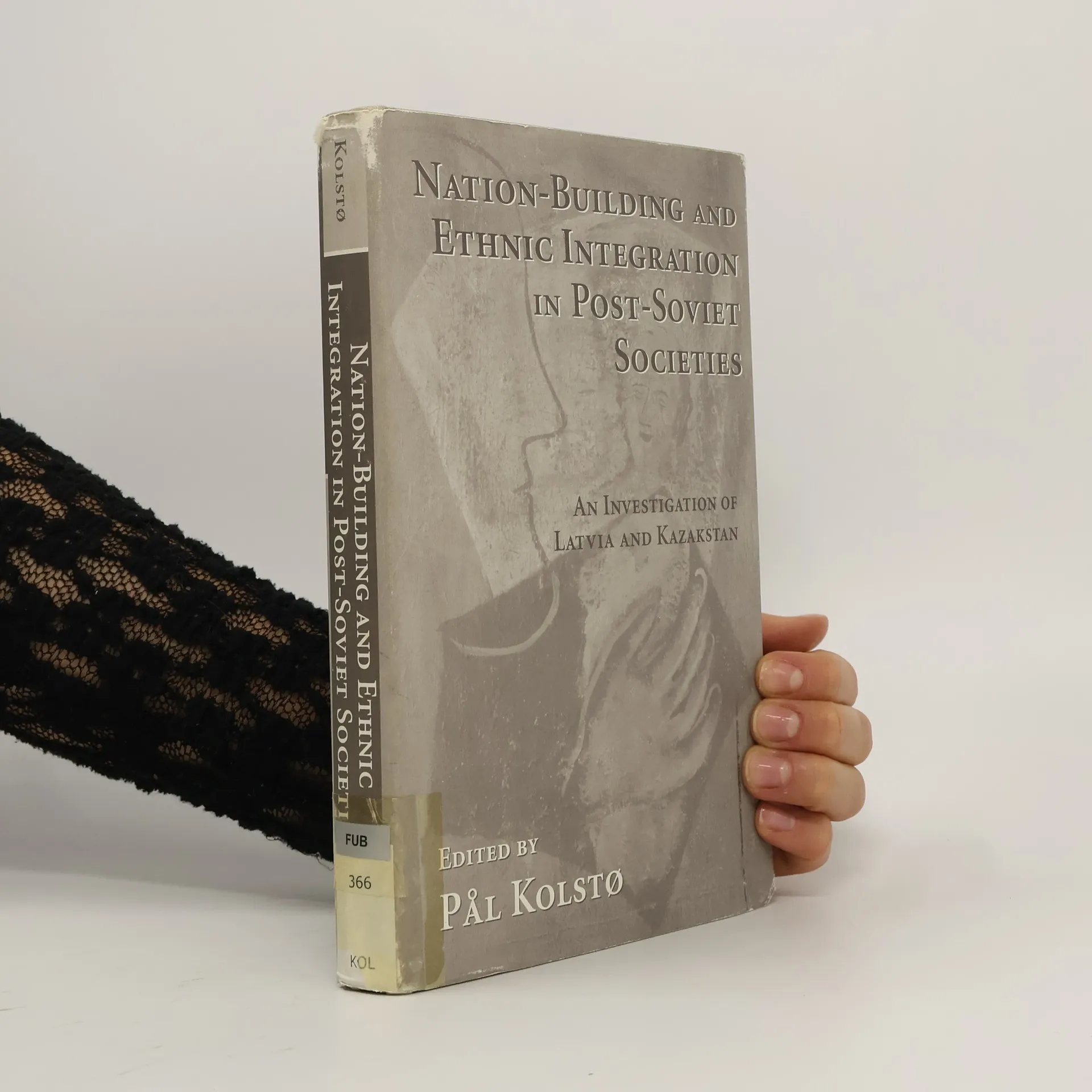
Nation Building And Ethnic Integration In Post-Soviet Societies, Hans O. Melberg, Boris Tsilevich, Jorn Holm-hansen, Irina Malkova, Pål Kolstø, Aina Antane
- Język

- Rok wydania
- 1999
- Oprawa
- (twarda)
Metody płatności
Nikt jeszcze nie ocenił.
- Tytuł
- Nation Building And Ethnic Integration In Post-Soviet Societies
- Podtytuł
- An Investigation of Latvia and Kazakstan
- Język
- angielski
- Wydawca
- Westview Press
- Rok wydania
- 1999
- Oprawa
- twarda
- Liczba stron
- 360
- ISBN10
- 081333697X
- ISBN13
- 9780813336978
- Seria
- Kategorie
- Tagi
- Tematy historyczne, USA, Europa, Historia Europy, Teorie polityczne, Etnologia, Nacjonalizm, Łotwa, Kazachstan, Państwa bałtyckie, Relacje etniczne
- Opis
- Several bipolar states, such as Rwanda, Burundi, and Sri Lanka, have faced brutal violence and state collapse. In contrast, Latvia and Kazakhstan have largely avoided such communal conflict, prompting an in-depth analysis of their ethnopolitical landscapes. Notably, these countries have the lowest proportions of titular populations among former Soviet states, with approximately 57% in Latvia and 50% in Kazakhstan as of 1997. This demographic reality raises questions about the effectiveness of ethnic-based nation-building in fostering unity, as one might expect it to exacerbate tensions between titular groups and outsiders. Nevertheless, both Latvia and Kazakhstan have pursued nation-building efforts that emphasize the traditions and symbols of their titular cultures while treating other ethnic groups as minorities. The processes differ slightly, with Latvia focusing on "latvification" and Kazakhstan on "kazakification." This raises critical questions about the feasibility of integrating such disparate populations. The answers may vary due to the distinct contexts of each country: Latvia, a small European nation, and Kazakhstan, a vast territory spanning Europe and Asia. The interplay of similarities and differences between these cases offers valuable insights into the complexities of post-Soviet nation-building.