

Więcej o książce
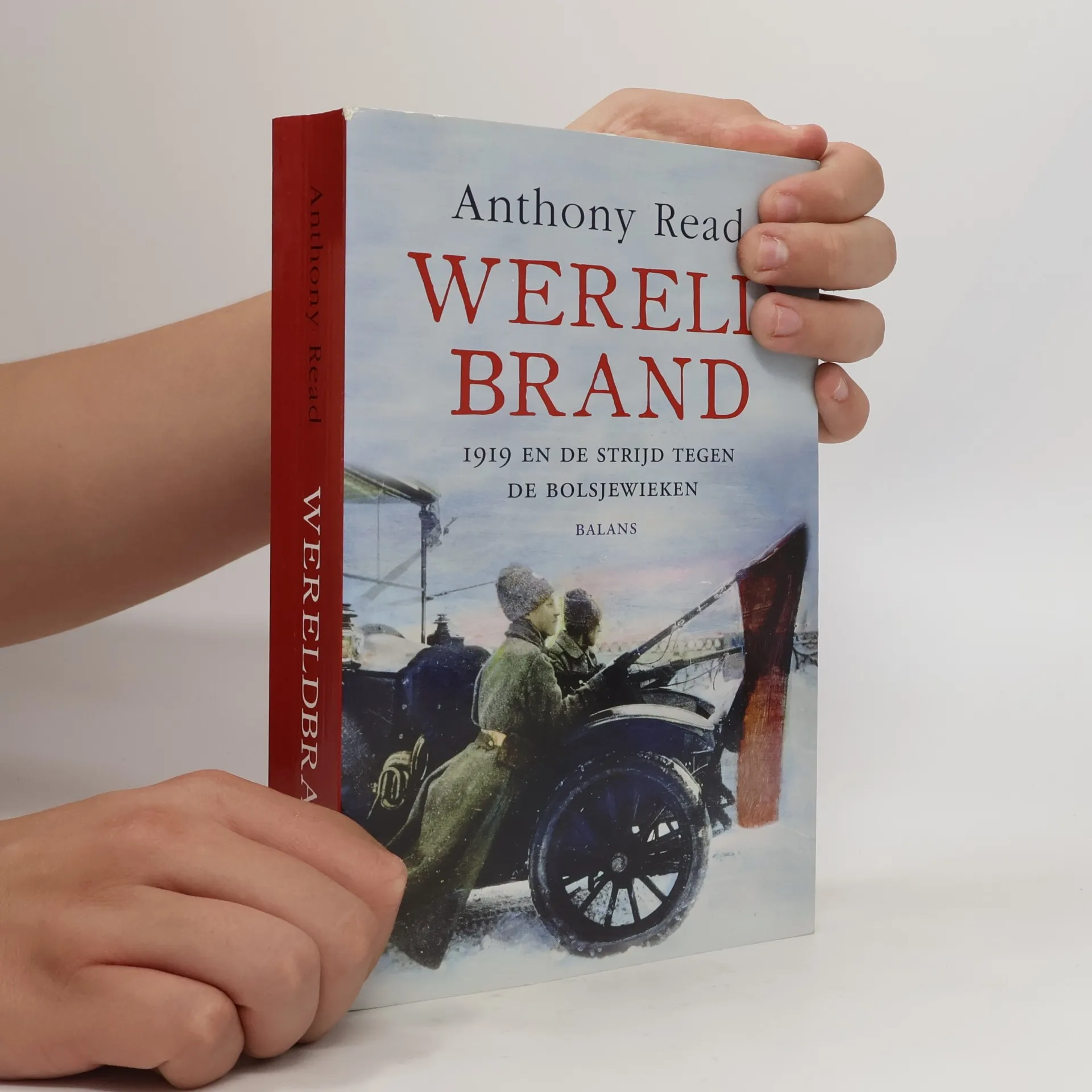
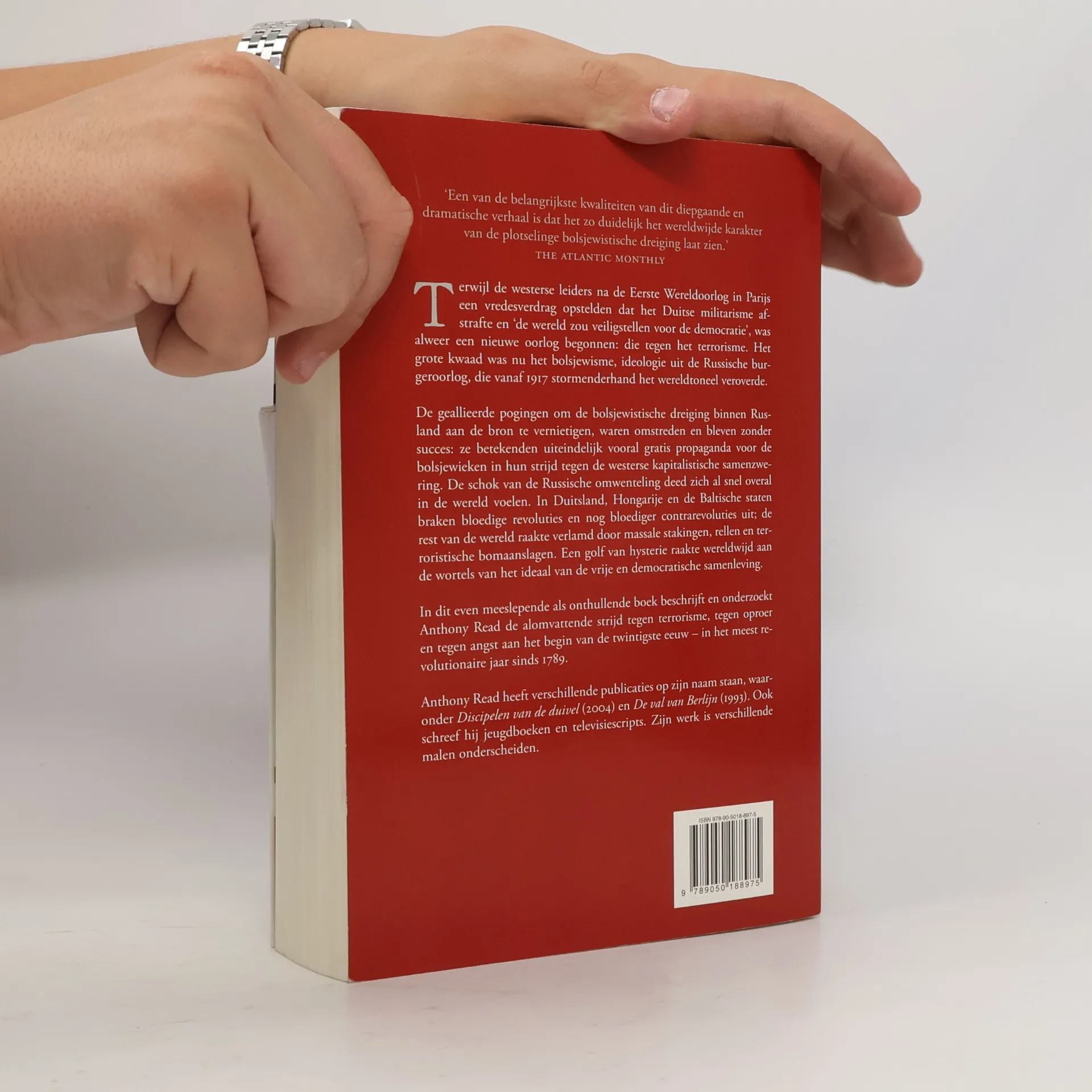
At the 1919 Paris Peace Conference, Western leaders aimed to create a peace treaty to punish German militarism and promote democracy. However, a new battle was emerging worldwide against terrorism, with Bolshevism, which had emerged in 1917, becoming the primary threat. The Allied powers' efforts to eradicate this ideology through intervention in the Russian civil war proved both controversial and ineffective. The upheaval in Russia had global repercussions, resulting in violent revolutions and counter-revolutions in Germany, Hungary, and the Baltic States, alongside widespread strikes and civil unrest. In Britain, military revolts erupted, including sailors who took over a ship and replaced the white ensign with a red flag. In Ireland, Michael Collins and the IRA waged a successful campaign against British rule. Meanwhile, in Italy, Benito Mussolini shifted from socialism to fascism, and in the United States, a series of bombings, known as the Great Red Scare, sparked widespread hysteria, threatening the foundations of democracy. This compelling narrative explores the tumultuous struggle against Bolshevism and the pervasive climate of fear during a year marked by unprecedented revolutionary activity.
Zakup książki
Wereldbrand, Anthony Read
- Język

- Rok wydania
- 2009
- Oprawa
- (miękka)
Metody płatności
Brakuje nam tutaj Twojej recenzji.
- Tytuł
- Wereldbrand
- Podtytuł
- 1919 en de stijd tegen de Bolsjewieken - druk 1
- Język
- holenderski
- Autorzy
- Anthony Read
- Wydawca
- Balans
- Rok wydania
- 2009
- Oprawa
- miękka
- Liczba stron
- 429
- ISBN10
- 9050188974
- ISBN13
- 9789050188975
- Seria
- Ocena
- 3,85 z 5
- Opis
- At the 1919 Paris Peace Conference, Western leaders aimed to create a peace treaty to punish German militarism and promote democracy. However, a new battle was emerging worldwide against terrorism, with Bolshevism, which had emerged in 1917, becoming the primary threat. The Allied powers' efforts to eradicate this ideology through intervention in the Russian civil war proved both controversial and ineffective. The upheaval in Russia had global repercussions, resulting in violent revolutions and counter-revolutions in Germany, Hungary, and the Baltic States, alongside widespread strikes and civil unrest. In Britain, military revolts erupted, including sailors who took over a ship and replaced the white ensign with a red flag. In Ireland, Michael Collins and the IRA waged a successful campaign against British rule. Meanwhile, in Italy, Benito Mussolini shifted from socialism to fascism, and in the United States, a series of bombings, known as the Great Red Scare, sparked widespread hysteria, threatening the foundations of democracy. This compelling narrative explores the tumultuous struggle against Bolshevism and the pervasive climate of fear during a year marked by unprecedented revolutionary activity.