

Więcej o książce
Sir Richmond was a British archaeologist specializing in the Roman period, born in Rochdale, Lancashire. He was educated at Ruthin School and Corpus Christi College, Oxford, and spent two years at the British School in Rome, where he developed a keen interest in Roman military architecture and army methods. This focus shaped his lifelong research. He gained practical experience working with Mortimer Wheeler at Segontium in Wales. From 1926 to 1930, he lectured in classical archaeology at Queen's University, Belfast, before returning to Italy as Director of the British School in Rome in 1930. However, he had to retire due to ill health two years later and spent nearly three years without a post. In 1935, he joined the University of Durham as a lecturer in Romano-British history, where he remained until 1956, except for a brief period of National Service. He was awarded a personal Chair in 1950 and conducted numerous excavations along Hadrian's Wall and nearby sites. In 1956, he moved to Oxford as the first holder of the Chair in the Archaeology of the Roman Empire and was knighted in 1964. Throughout his career, he published many works, including "Roman Britain" and, with R.G. Collingwood, "The Archaeology of Roman Britain." He also served as President of the Society of Antiquaries of London from April 1964 until his death in 1965.
Zakup książki
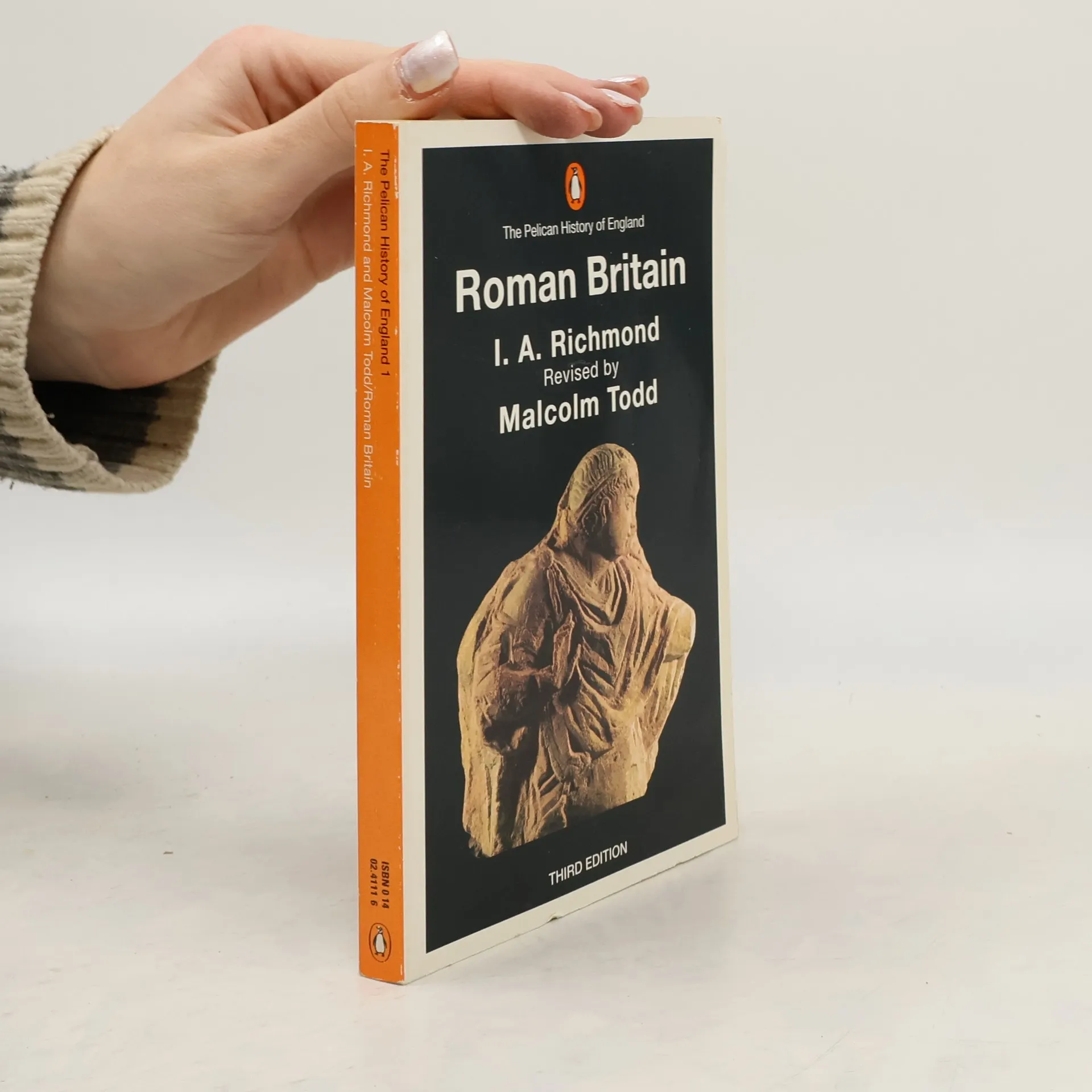
The Pelican History of England - 1: Roman Britain, Sir Ian Archibald Richmond, Malcolm Todd
- Język

- Rok wydania
- 1995
- Oprawa
- (miękka)
Metody płatności
Brakuje nam tutaj Twojej recenzji.
- Tytuł
- The Pelican History of England - 1: Roman Britain
- Podtytuł
- Third Edition
- Język
- angielski
- Wydawca
- Penguin UK
- Rok wydania
- 1995
- Oprawa
- miękka
- Liczba stron
- 224
- ISBN10
- 0140241116
- ISBN13
- 9780140241112
- Seria
- Ocena
- 3,35 z 5
- Opis
- Sir Richmond was a British archaeologist specializing in the Roman period, born in Rochdale, Lancashire. He was educated at Ruthin School and Corpus Christi College, Oxford, and spent two years at the British School in Rome, where he developed a keen interest in Roman military architecture and army methods. This focus shaped his lifelong research. He gained practical experience working with Mortimer Wheeler at Segontium in Wales. From 1926 to 1930, he lectured in classical archaeology at Queen's University, Belfast, before returning to Italy as Director of the British School in Rome in 1930. However, he had to retire due to ill health two years later and spent nearly three years without a post. In 1935, he joined the University of Durham as a lecturer in Romano-British history, where he remained until 1956, except for a brief period of National Service. He was awarded a personal Chair in 1950 and conducted numerous excavations along Hadrian's Wall and nearby sites. In 1956, he moved to Oxford as the first holder of the Chair in the Archaeology of the Roman Empire and was knighted in 1964. Throughout his career, he published many works, including "Roman Britain" and, with R.G. Collingwood, "The Archaeology of Roman Britain." He also served as President of the Society of Antiquaries of London from April 1964 until his death in 1965.