

Więcej o książce
Guiding Neurosurgery' by Evidence provides its readers with a succinct review of contemporary neurosurgical practice when evaluated by evidence-based medicine standards. It begins with an introduction of the concept and principles of evidence-based medicine. The subsequent chapters address the topics of brain tumor epidemiology, benign adult brain tumors, pediatric neurosurgery, endovascular treatment of cerebrovascular disorders, lumbar spine surgery, minimally invasive spine surgery, stereotactic radiosurgery, trauma, and the treatment of chronic pain disorders by neurostimulation. Each chapter summarizes the available literature and grades it according to the quality of the evidence. In addition, this book highlights not only the usefulness of evidence-based medicine in neurosurgical practice, but also its limitations with regard to neurosurgical disorders that are frequently rare and therefore impossible to evaluate in randomized clinical trials. Neurological surgeons and neurologists, both practicing physicians and residents in training, will find in this publication valuable information about the practice of the different neurosurgical subspecialties by evidence-based medicine standards.
Zakup książki
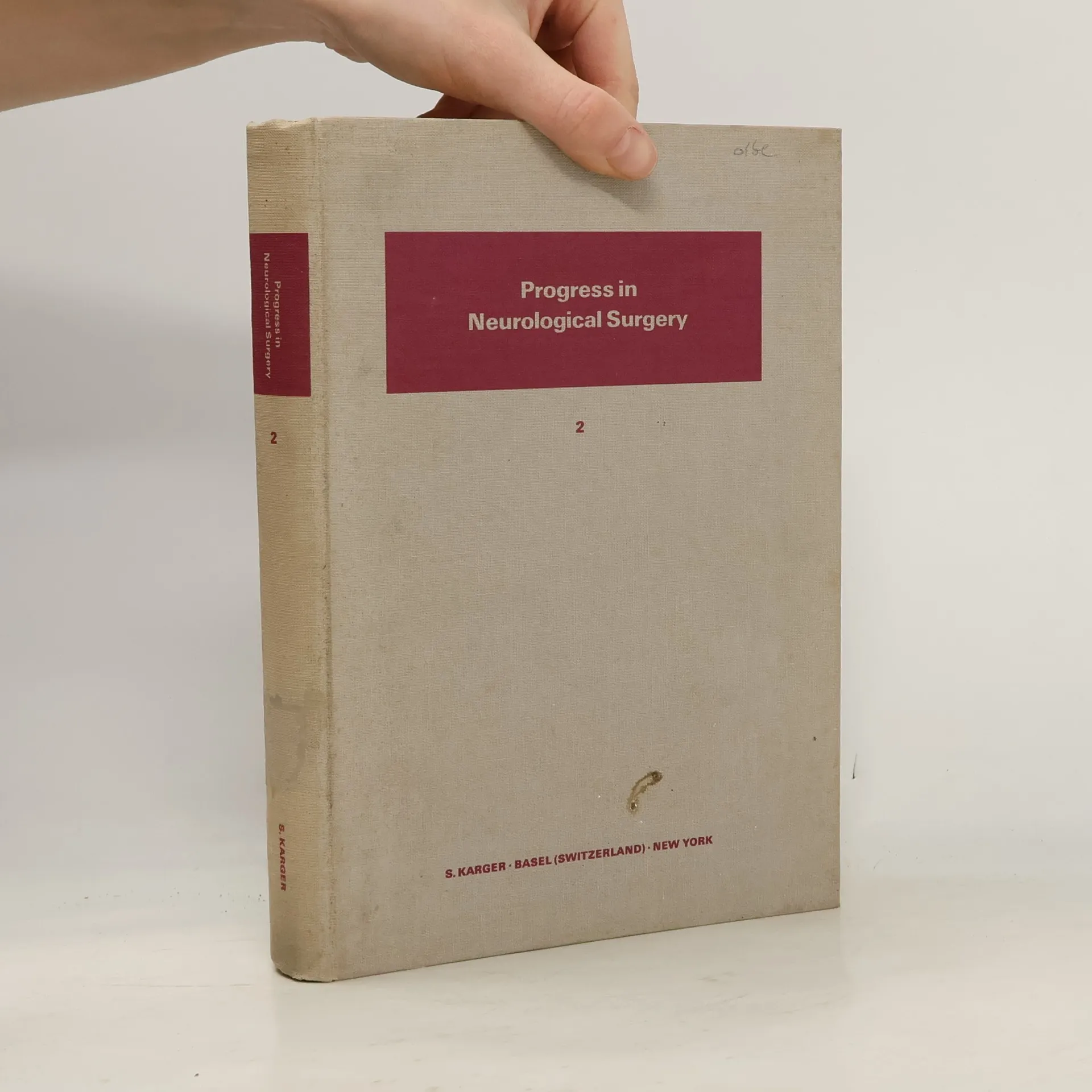
Progress in Neurological Surgery 2, kolektiv
- Język

- Rok wydania
- 1968
- Oprawa
- (twarda)
Metody płatności
Nikt jeszcze nie ocenił.
- Tytuł
- Progress in Neurological Surgery 2
- Język
- angielski
- Autorzy
- kolektiv
- Wydawca
- S. Karger AG (Switzerland)
- Rok wydania
- 1968
- Oprawa
- twarda
- Seria
- Kategorie
- Opis
- Guiding Neurosurgery' by Evidence provides its readers with a succinct review of contemporary neurosurgical practice when evaluated by evidence-based medicine standards. It begins with an introduction of the concept and principles of evidence-based medicine. The subsequent chapters address the topics of brain tumor epidemiology, benign adult brain tumors, pediatric neurosurgery, endovascular treatment of cerebrovascular disorders, lumbar spine surgery, minimally invasive spine surgery, stereotactic radiosurgery, trauma, and the treatment of chronic pain disorders by neurostimulation. Each chapter summarizes the available literature and grades it according to the quality of the evidence. In addition, this book highlights not only the usefulness of evidence-based medicine in neurosurgical practice, but also its limitations with regard to neurosurgical disorders that are frequently rare and therefore impossible to evaluate in randomized clinical trials. Neurological surgeons and neurologists, both practicing physicians and residents in training, will find in this publication valuable information about the practice of the different neurosurgical subspecialties by evidence-based medicine standards.