

Więcej o książce
Films have long been a vital part of Chinese art and society, with filmmaking being a challenging endeavor marked by official sensitivity to Chinese reality, deep conflicts, and the need to reach millions of peasants throughout the Republic. Jay Leyda, who worked in the Chinese film industry from 1959 to 1964, provides unique insights with access to more films and documents than any other Western scholar. He examines both historic and contemporary film production, using films as primary sources. Leyda discusses the evolution of the film industry, including the rise and fall of studios, the influence of foreign filmmakers, and distribution challenges. He offers synopses of significant films and profiles notable filmmakers and actors, while also illuminating the broader social and political context of twentieth-century China. The narrative highlights a dramatic period in Chinese film history, where underground revolutionaries created impactful films that reached audiences despite oppression. Leyda emphasizes that the most expressive Chinese films emerged from these turbulent times, often surpassing earlier works and those produced post-revolution. He reflects on the value of various film developments, drawing parallels to medieval arts and expressing hope for the future of Chinese cinema, suggesting that progress can stem from brave exceptions that recognize humanity and art.
Zakup książki
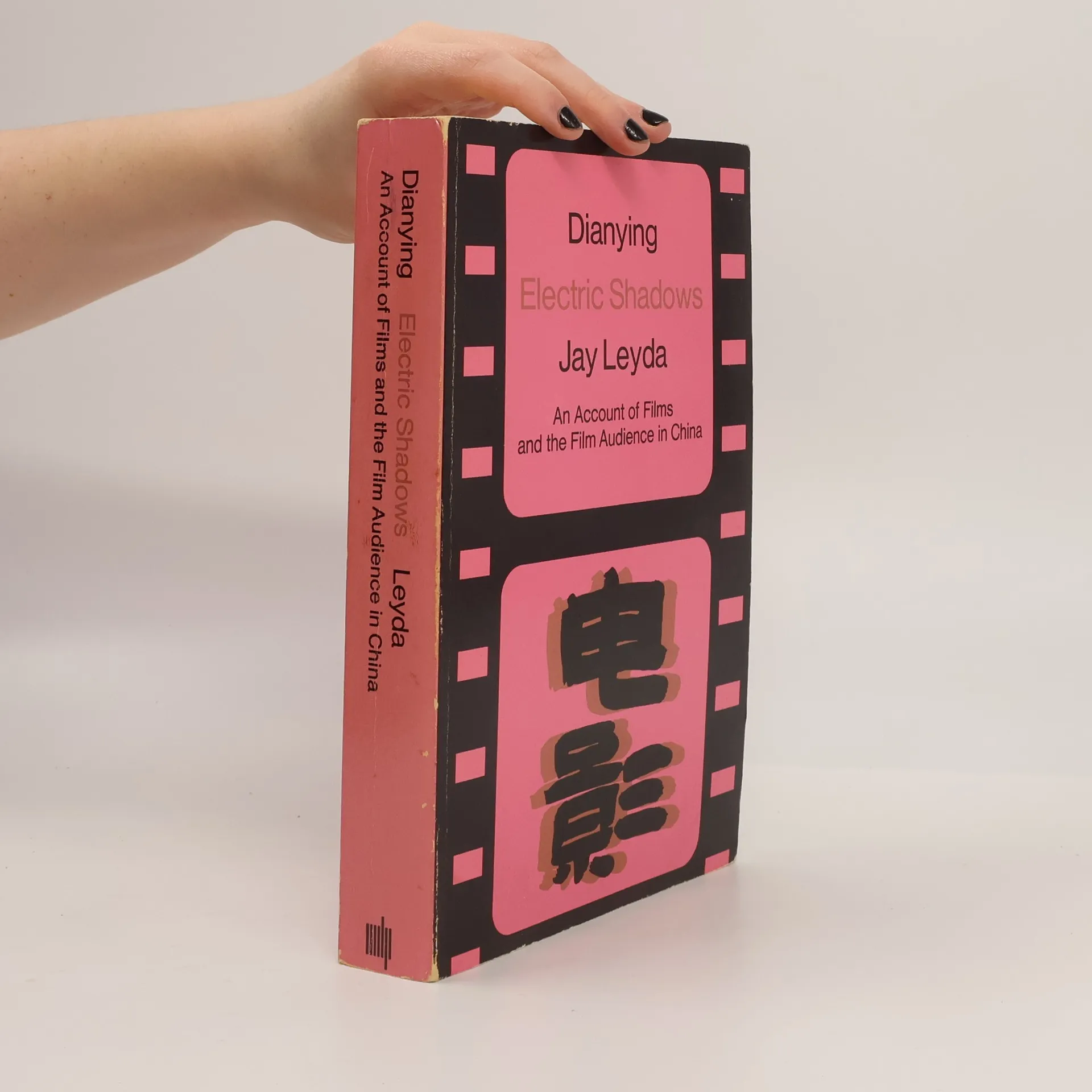
Dianying, Jay Leyda
- Język

- Rok wydania
- 1972
- Oprawa
- (twarda)
Metody płatności
Nikt jeszcze nie ocenił.
- Tytuł
- Dianying
- Podtytuł
- An Account of Films and the Film Audience in China
- Język
- angielski
- Autorzy
- Jay Leyda
- Wydawca
- MIT Press
- Rok wydania
- 1972
- Oprawa
- twarda
- Liczba stron
- 515
- ISBN10
- 0262120461
- ISBN13
- 9780262120463
- Seria
- Opis
- Films have long been a vital part of Chinese art and society, with filmmaking being a challenging endeavor marked by official sensitivity to Chinese reality, deep conflicts, and the need to reach millions of peasants throughout the Republic. Jay Leyda, who worked in the Chinese film industry from 1959 to 1964, provides unique insights with access to more films and documents than any other Western scholar. He examines both historic and contemporary film production, using films as primary sources. Leyda discusses the evolution of the film industry, including the rise and fall of studios, the influence of foreign filmmakers, and distribution challenges. He offers synopses of significant films and profiles notable filmmakers and actors, while also illuminating the broader social and political context of twentieth-century China. The narrative highlights a dramatic period in Chinese film history, where underground revolutionaries created impactful films that reached audiences despite oppression. Leyda emphasizes that the most expressive Chinese films emerged from these turbulent times, often surpassing earlier works and those produced post-revolution. He reflects on the value of various film developments, drawing parallels to medieval arts and expressing hope for the future of Chinese cinema, suggesting that progress can stem from brave exceptions that recognize humanity and art.