


Parametry
- 159 stron
- 6 godzin czytania
Więcej o książce
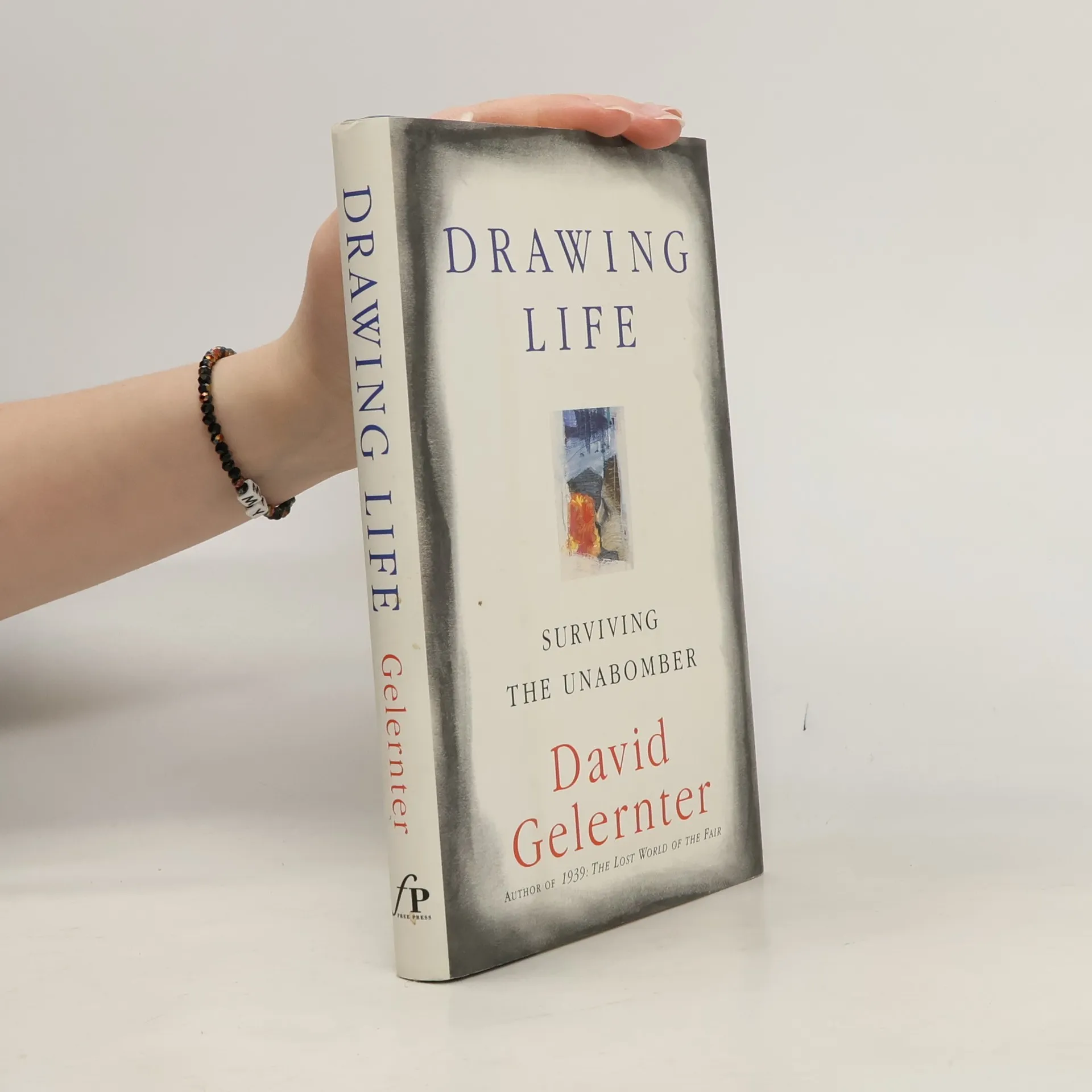
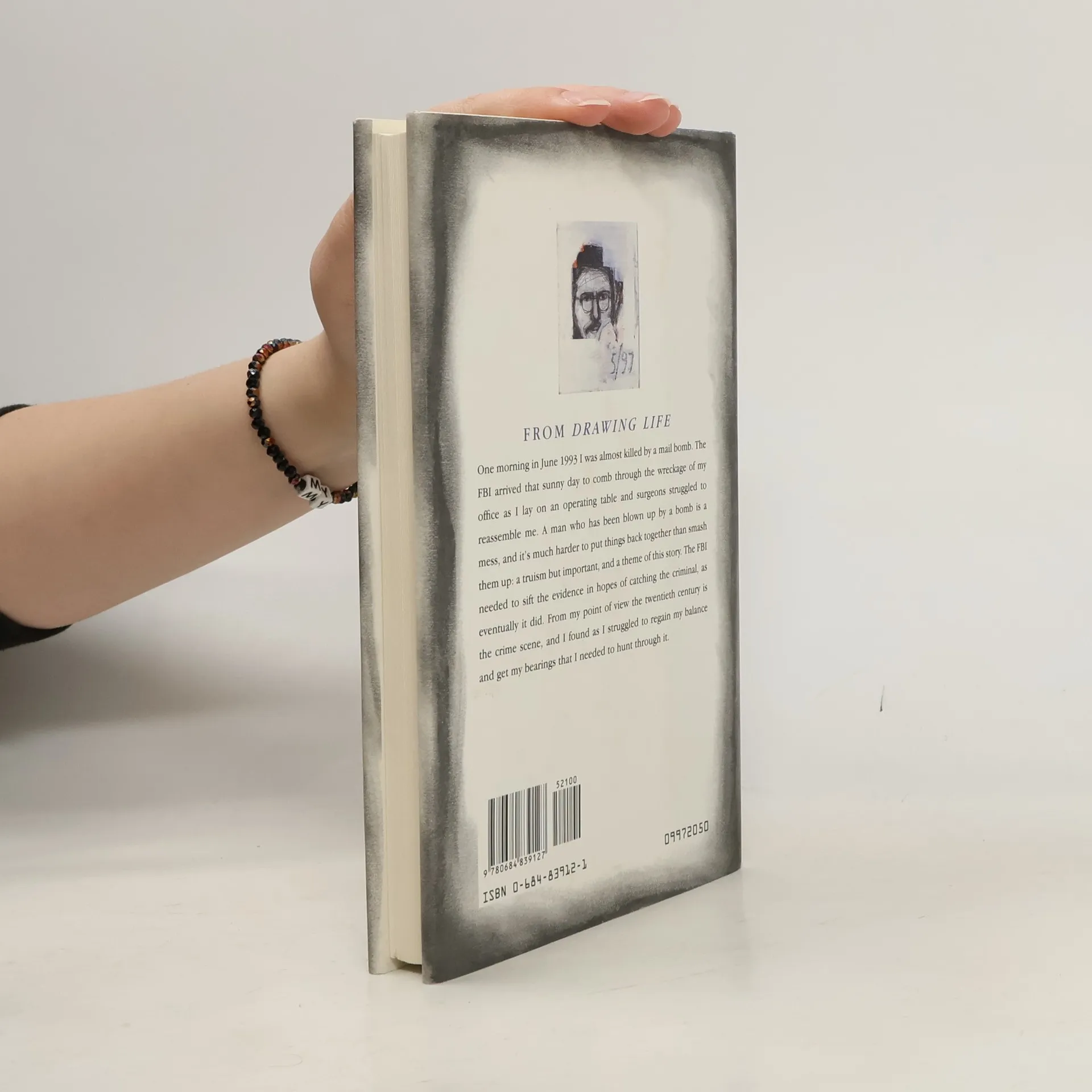
On June 24, 1993, David Gelernter opened a package that exploded, severely injuring him. The perpetrator, the Unabomber, targeted Gelernter, a critic of technology, in a cruel twist of fate. Yet, the attack transformed Gelernter's life, strengthening his spirit rather than breaking it. In this poignant memoir, he reflects on his near-death experience and recovery, drawing parallels between his personal journey and the state of American society. Gelernter critiques the cultural devaluation of family, religion, community, and art, lamenting that Americans have turned crime into a media spectacle. Instead of fostering virtues like courage and critical thinking, society fixates on the sensational aspects of violence, often neglecting the deeper implications. He highlights how the media portrayed the Unabomber as a "genius" or "fascinating," but rarely as evil, raising the unsettling question of what it means when a culture loses its belief in evil. Gelernter urges us to question rather than gawk at violence, advocating for a moral response to crises. This gripping narrative serves as both a personal resurrection and a profound commentary on the cultural trajectory of society.
Zakup książki
Drawing Life, David Hillel Gelernter
- Język

- Rok wydania
- 1997
- Oprawa
- (twarda)
Metody płatności
Brakuje nam tutaj Twojej recenzji.
- Tytuł
- Drawing Life
- Podtytuł
- Surviving the Unabomber
- Język
- angielski
- Autorzy
- David Hillel Gelernter
- Wydawca
- Free Press
- Rok wydania
- 1997
- Oprawa
- twarda
- Liczba stron
- 159
- ISBN10
- 0684839121
- ISBN13
- 9780684839127
- Seria
- Kategorie
- Tagi
- Tematy prawne, USA, Technologia, Społeczeństwo, Wskaźnik przestępczości, Prawo karne, Kryminologia, Wiktimologia
- Ocena
- 3,85 z 5
- Opis
- On June 24, 1993, David Gelernter opened a package that exploded, severely injuring him. The perpetrator, the Unabomber, targeted Gelernter, a critic of technology, in a cruel twist of fate. Yet, the attack transformed Gelernter's life, strengthening his spirit rather than breaking it. In this poignant memoir, he reflects on his near-death experience and recovery, drawing parallels between his personal journey and the state of American society. Gelernter critiques the cultural devaluation of family, religion, community, and art, lamenting that Americans have turned crime into a media spectacle. Instead of fostering virtues like courage and critical thinking, society fixates on the sensational aspects of violence, often neglecting the deeper implications. He highlights how the media portrayed the Unabomber as a "genius" or "fascinating," but rarely as evil, raising the unsettling question of what it means when a culture loses its belief in evil. Gelernter urges us to question rather than gawk at violence, advocating for a moral response to crises. This gripping narrative serves as both a personal resurrection and a profound commentary on the cultural trajectory of society.