

Parametry
Więcej o książce
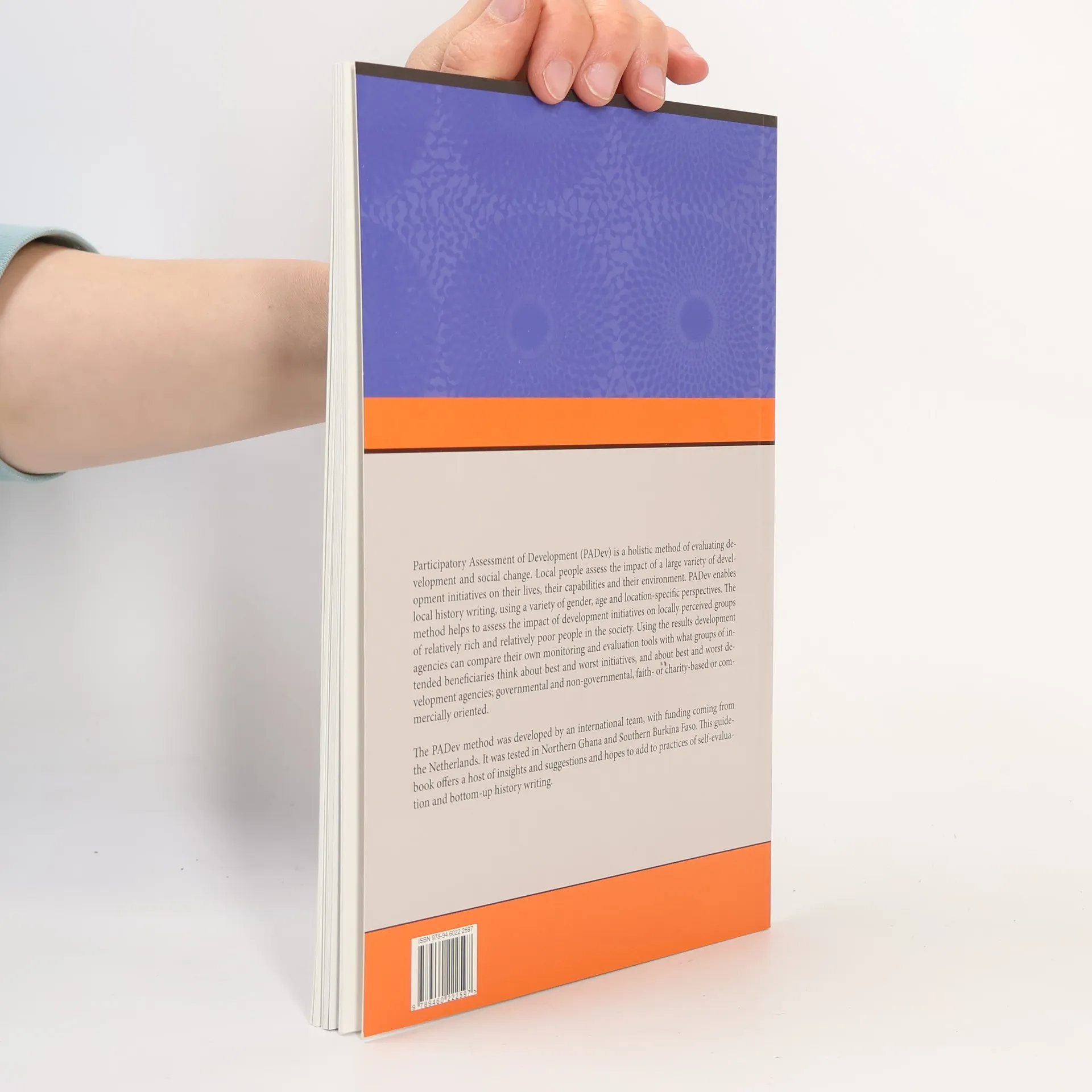
Participatory Assessment of Development (PADev) is a holistic method of evaluating development and social change in which local people assess the impact of a large variety of development initiatives on their lives, their capabilities and their environment. PADev enables local history writing, using a variety of gender, age and location-specific perspectives. The method helps to assess the impact of development initiatives on locally perceived groups of relatively rich and relatively poor people in the society. Using the results, development agencies can compare their own monitoring and evaluation tools with what groups of intended beneficiaries think about best and worst initiatives, and about best and worst development agencies; governmental and non-governmental, faith- or charity-based or commercially oriented. The PADev method was developed by an international team, with funding coming from the Netherlands. It was tested in Northern Ghana and Southern Burkina Faso. This guidebook offers a host of insights and suggestions and hopes to add to practices of self-evaluation and bottom-up history writing.
Zakup książki
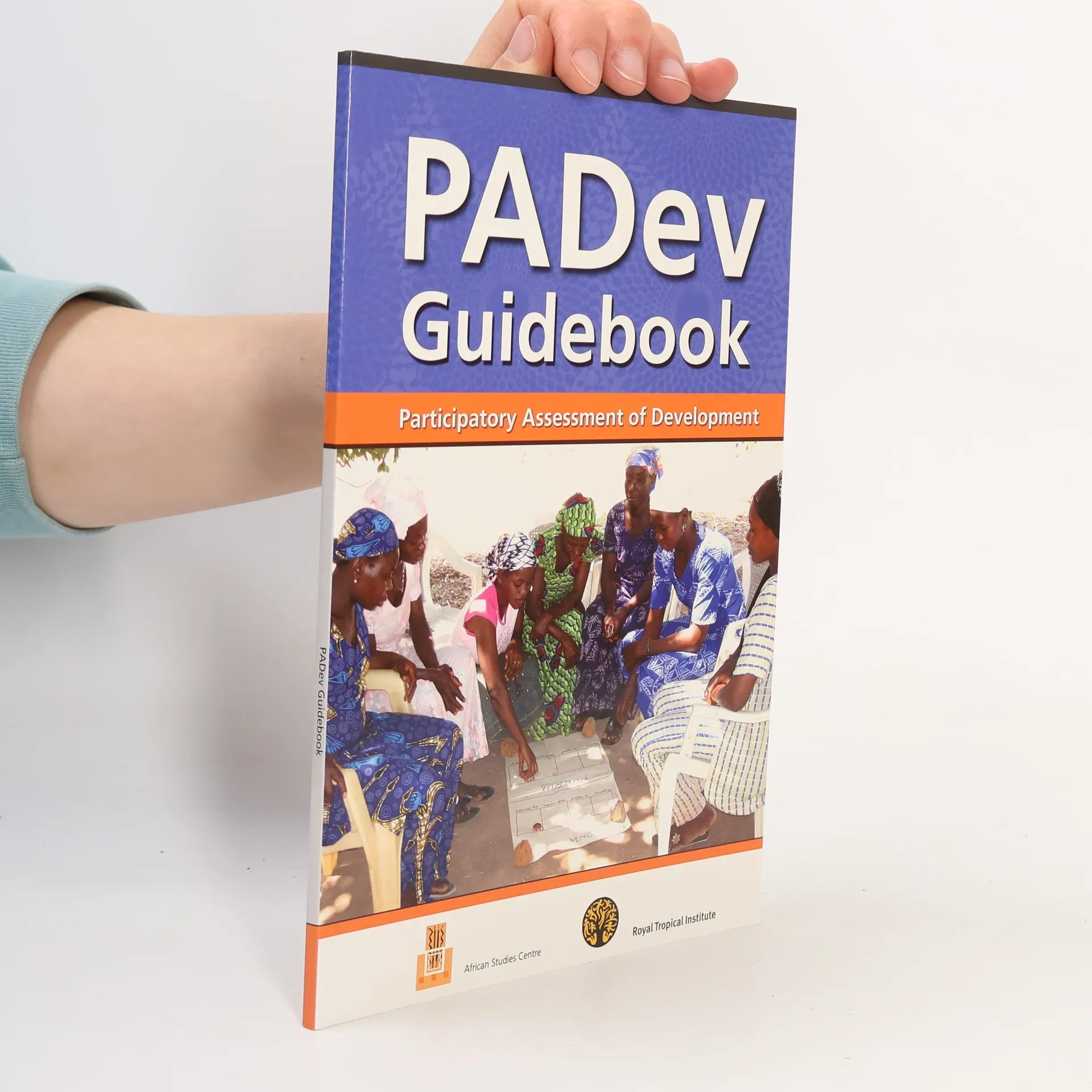
PADev Guidebook, Ton Dietz, Roger Bymolt, Adama Belemvire, Kees van der Geest, Dieneke de Groot
- Język

- Rok wydania
- 2013
- Oprawa
- (miękka),
- Stan książki
- Dobry
- Cena
- 1,43 zł
Metody płatności
Nikt jeszcze nie ocenił.
- Tytuł
- PADev Guidebook
- Podtytuł
- Participatory Assessment of Development
- Język
- angielski
- Wydawca
- Kit Pub
- Rok wydania
- 2013
- Oprawa
- miękka
- ISBN10
- 9460222595
- ISBN13
- 9789460222597
- Seria
- Tagi
- Zachodnia Europa
- Opis
- Participatory Assessment of Development (PADev) is a holistic method of evaluating development and social change in which local people assess the impact of a large variety of development initiatives on their lives, their capabilities and their environment. PADev enables local history writing, using a variety of gender, age and location-specific perspectives. The method helps to assess the impact of development initiatives on locally perceived groups of relatively rich and relatively poor people in the society. Using the results, development agencies can compare their own monitoring and evaluation tools with what groups of intended beneficiaries think about best and worst initiatives, and about best and worst development agencies; governmental and non-governmental, faith- or charity-based or commercially oriented. The PADev method was developed by an international team, with funding coming from the Netherlands. It was tested in Northern Ghana and Southern Burkina Faso. This guidebook offers a host of insights and suggestions and hopes to add to practices of self-evaluation and bottom-up history writing.