

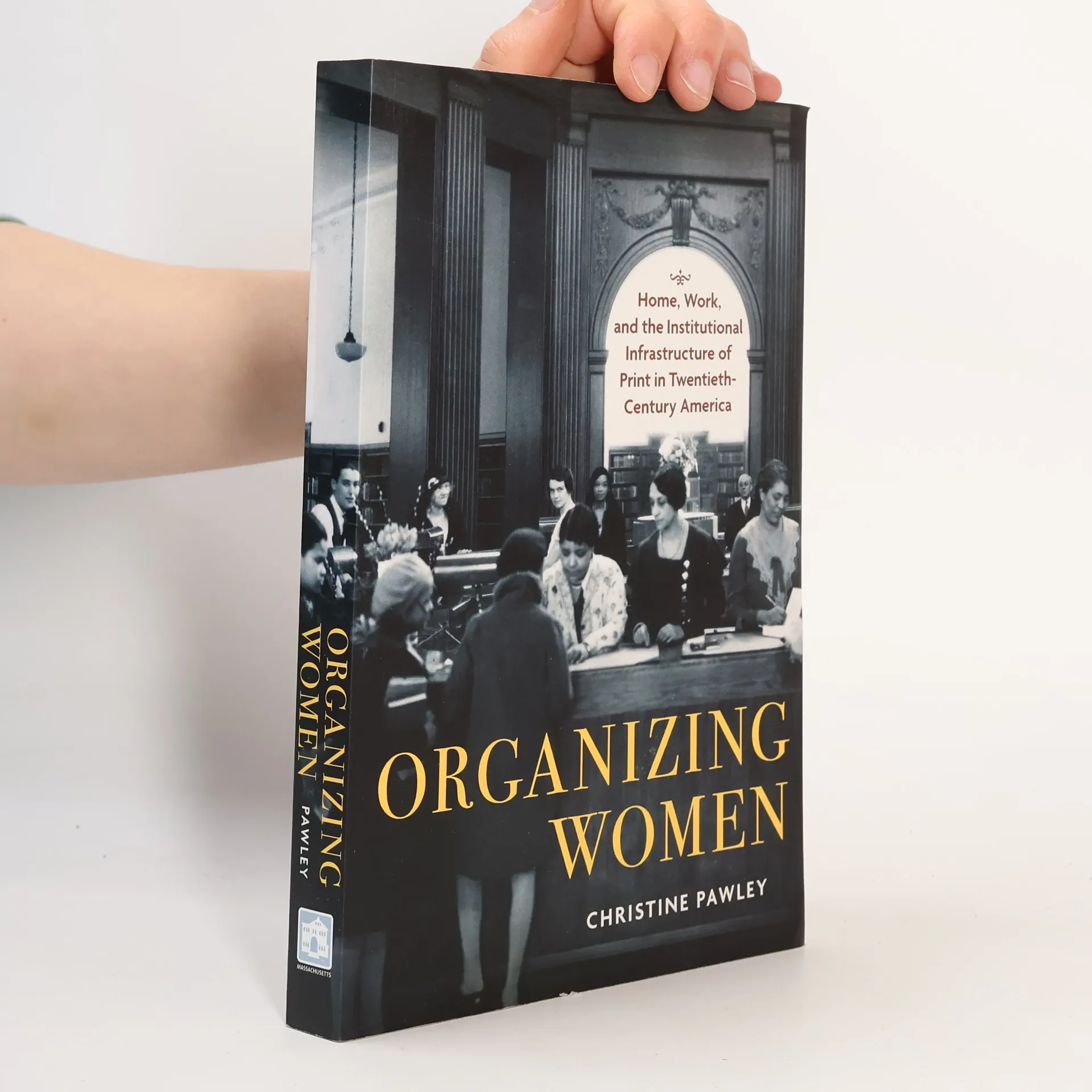


Studies in Print Culture and the History of the Book: Organizing Women
Home, Work, and the Institutional Infrastructure of Print in Twentieth-Century America
Autorzy
Ocena książki
Więcej o książce
In the first decades of the twentieth century, print-centered organizations spread rapidly across the United States, providing more women than ever before with opportunities to participate in public life. While most organizations at the time were run by and for white men, women--both Black and white--were able to reshape their lives and their social worlds through their participation in these institutions. Organizing Women traces the histories of middle-class women--rural and urban, white and Black, married and unmarried--who used public and private institutions of print to tell their stories, expand their horizons, and further their ambitions. Drawing from a diverse range of examples, Christine Pawley introduces readers to women who ran branch libraries and library schools in Chicago and Madison, built radio empires from their midwestern farms, formed reading clubs, and published newsletters. In the process, we learn about the organizations themselves, from libraries and universities to the USDA extension service and the YWCA, and the ways in which women confronted gender discrimination and racial segregation in the course of their work.
Zakup książki
Studies in Print Culture and the History of the Book: Organizing Women, Christine Pawley
- Język

- Rok wydania
- 2022
- Oprawa
- (miękka)
Metody płatności
Brakuje nam tutaj Twojej recenzji.
- Tytuł
- Studies in Print Culture and the History of the Book: Organizing Women
- Podtytuł
- Home, Work, and the Institutional Infrastructure of Print in Twentieth-Century America
- Język
- angielski
- Autorzy
- Christine Pawley
- Rok wydania
- 2022
- Oprawa
- miękka
- Liczba stron
- 272
- ISBN10
- 1625346905
- ISBN13
- 9781625346902
- Seria
- Ocena
- 4,5 z 5
- Opis
- In the first decades of the twentieth century, print-centered organizations spread rapidly across the United States, providing more women than ever before with opportunities to participate in public life. While most organizations at the time were run by and for white men, women--both Black and white--were able to reshape their lives and their social worlds through their participation in these institutions. Organizing Women traces the histories of middle-class women--rural and urban, white and Black, married and unmarried--who used public and private institutions of print to tell their stories, expand their horizons, and further their ambitions. Drawing from a diverse range of examples, Christine Pawley introduces readers to women who ran branch libraries and library schools in Chicago and Madison, built radio empires from their midwestern farms, formed reading clubs, and published newsletters. In the process, we learn about the organizations themselves, from libraries and universities to the USDA extension service and the YWCA, and the ways in which women confronted gender discrimination and racial segregation in the course of their work.