



Więcej o książce
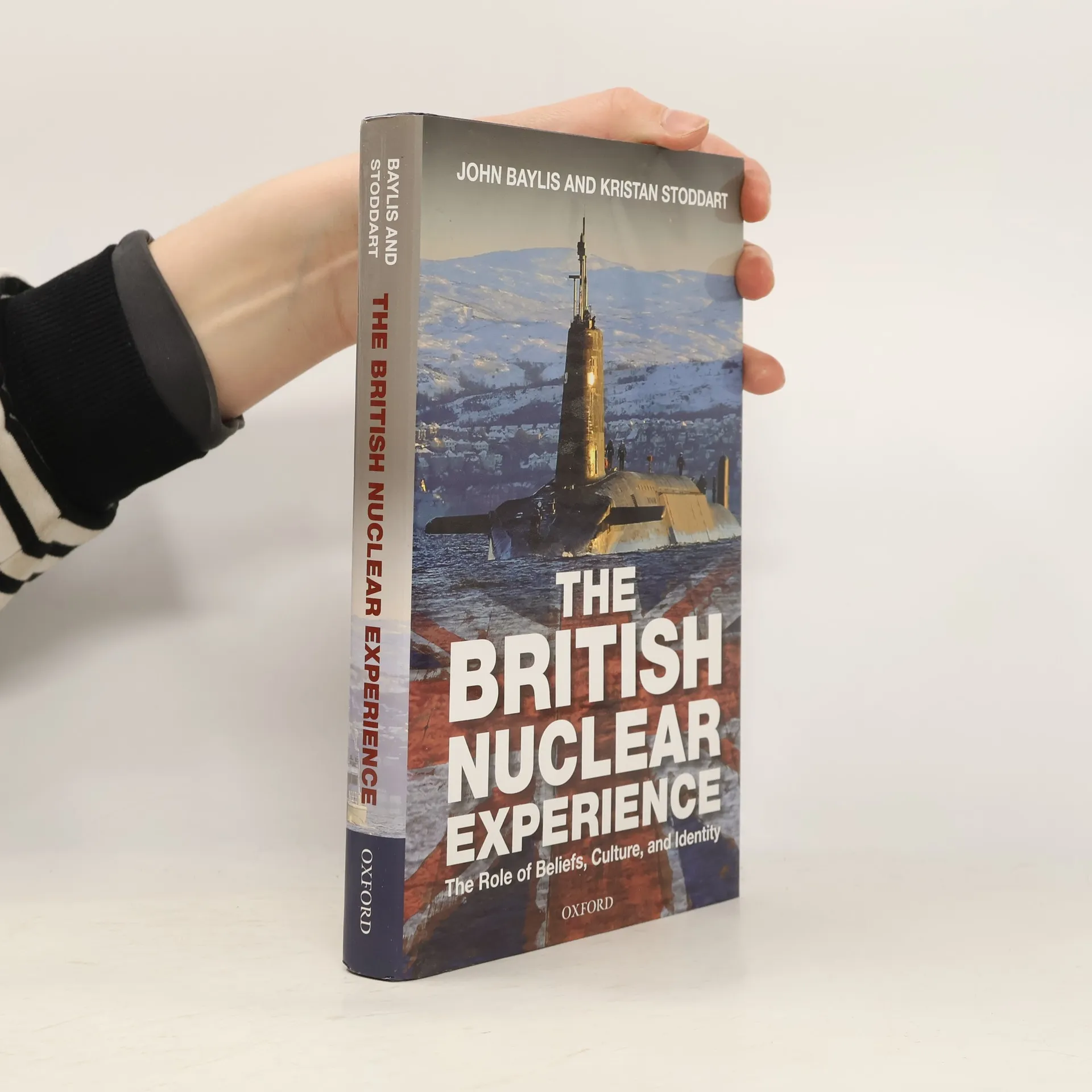
Based on a detailed analysis of archives and high level interviews this book looks at the role of beliefs, culture and identity in the making of British nuclear policy from 1945 through to the present day. This book also examines Britain's nuclear experience by moving away from tradtional interpretations of why states develop and maintain nuclear weapons by adopting a more contemporary approach to political theory.Traditional mainstream explanations tend to stress the importance of factors such as the 'maximization of power', the persuit of 'national security interests' and the role of 'structure' in a largely anarchic international system. This book does not dismiss these approaches, but argues that British experience suggests that focusing on 'beliefs', 'culture' and 'identity', provides a more useful insight and distinctive intepretation into the process of British nuclear decision making than the more traditional approaches.
Zakup książki
The British Nuclear Experience, John Baylis, Kristan Stoddart
- Język

- Rok wydania
- 2015
- Oprawa
- (twarda)
Metody płatności
Brakuje nam tutaj Twojej recenzji.
- Tytuł
- The British Nuclear Experience
- Podtytuł
- The Roles of Beliefs, Culture and Identity
- Język
- angielski
- Autorzy
- John Baylis, Kristan Stoddart
- Wydawca
- Oxford University Press
- Rok wydania
- 2015
- Oprawa
- twarda
- Liczba stron
- 312
- ISBN10
- 0198702027
- ISBN13
- 9780198702023
- Seria
- Kategorie
- Tagi
- Tematy historyczne, XX wiek, Technologia, Wielka Brytania, Teorie polityczne, XXI wiek, Stosunki międzynarodowe, Prawo cywilne, Strategia, Broń jądrowa, Polityka wojskowa
- Ocena
- 4 z 5
- Opis
- Based on a detailed analysis of archives and high level interviews this book looks at the role of beliefs, culture and identity in the making of British nuclear policy from 1945 through to the present day. This book also examines Britain's nuclear experience by moving away from tradtional interpretations of why states develop and maintain nuclear weapons by adopting a more contemporary approach to political theory.Traditional mainstream explanations tend to stress the importance of factors such as the 'maximization of power', the persuit of 'national security interests' and the role of 'structure' in a largely anarchic international system. This book does not dismiss these approaches, but argues that British experience suggests that focusing on 'beliefs', 'culture' and 'identity', provides a more useful insight and distinctive intepretation into the process of British nuclear decision making than the more traditional approaches.