

Parametry
- 384 strony
- 14 godzin czytania
Więcej o książce
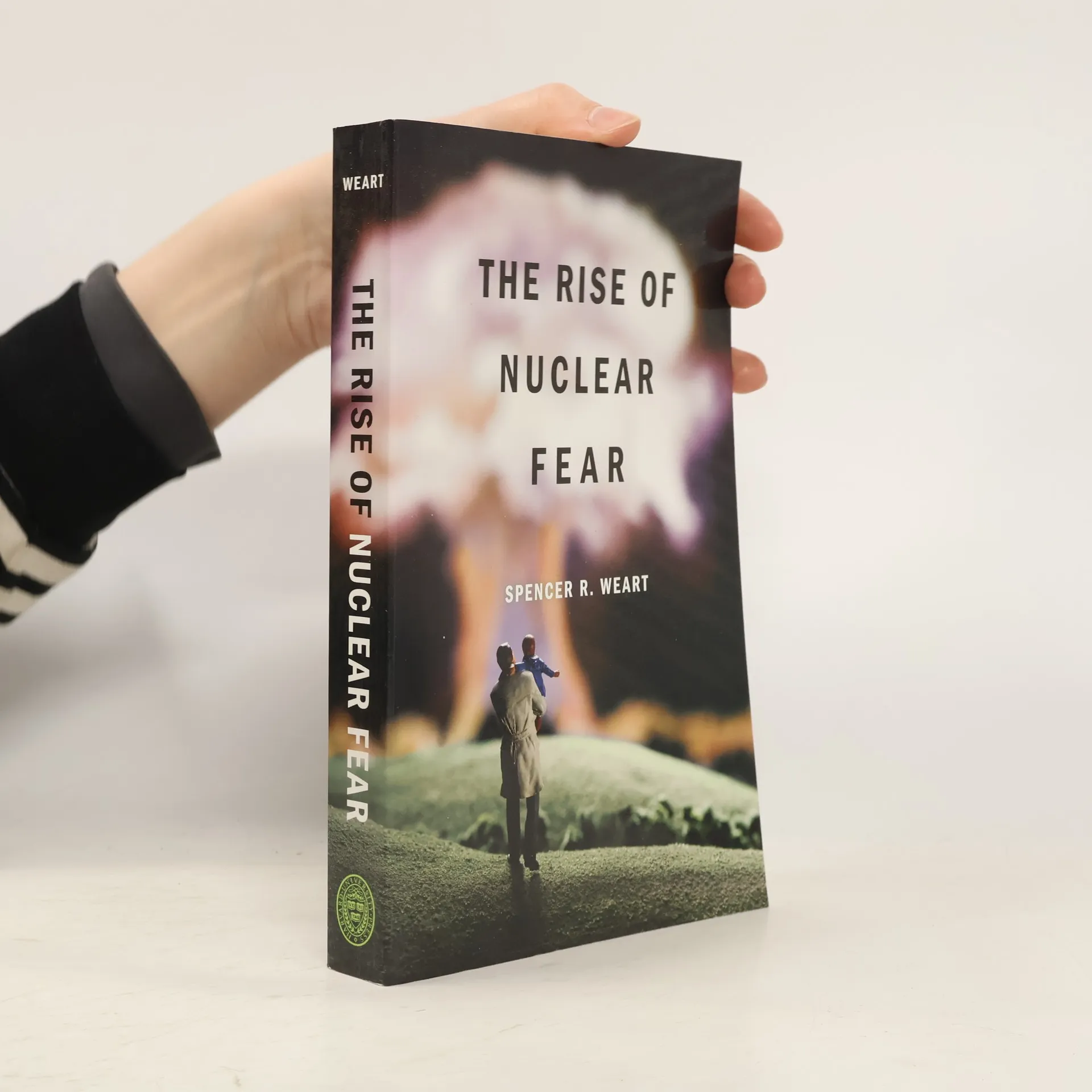
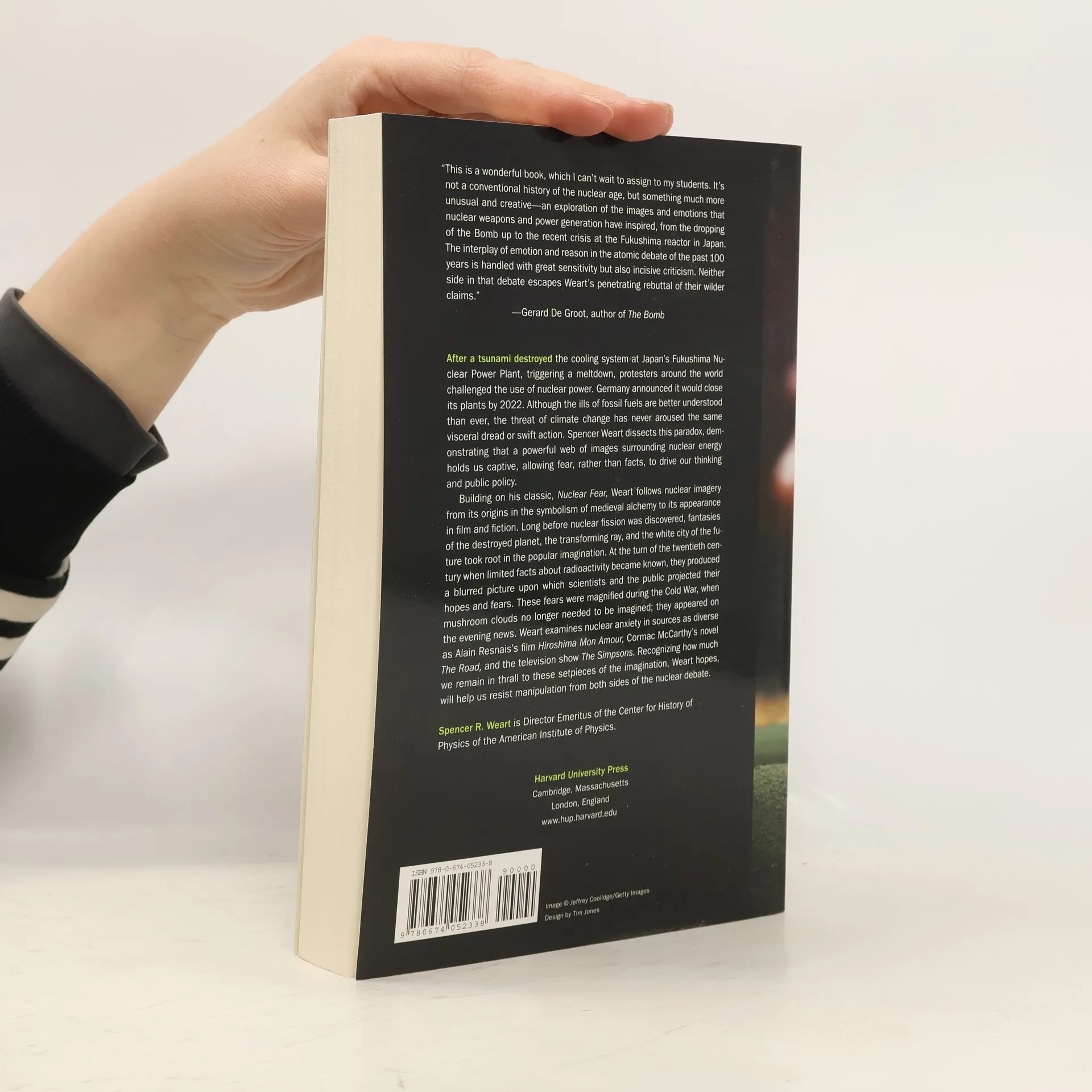
After a tsunami devastated the cooling system at Japan's Fukushima Nuclear Power Plant, leading to a meltdown, global protests erupted against nuclear power. Germany pledged to shut down its plants by 2022. Despite a growing awareness of the dangers of fossil fuels, the urgency of climate change has not sparked the same level of fear or immediate action. Spencer Weart explores this contradiction, revealing how a complex web of imagery surrounding nuclear energy influences public perception, allowing fear to overshadow facts in shaping policy. Weart builds on his earlier work, tracing nuclear imagery from its roots in medieval alchemy to its representation in modern film and literature. Even before the discovery of nuclear fission, visions of a devastated planet and utopian futures captured the public's imagination. As knowledge of radioactivity emerged in the early 20th century, it created a distorted understanding onto which both scientists and the public projected their anxieties. These fears intensified during the Cold War, as real mushroom clouds became a staple of news broadcasts. Weart analyzes nuclear anxiety through diverse sources, including Alain Resnais's "Hiroshima Mon Amour," Cormac McCarthy's "The Road," and "The Simpsons." By recognizing the power of these imaginative constructs, Weart aims to empower readers to resist manipulation from all sides of the nuclear debate.
Zakup książki
The Rise of Nuclear Fear, Spencer R. Weart
- Język

- Rok wydania
- 2012
- Oprawa
- (miękka)
Metody płatności
Brakuje nam tutaj Twojej recenzji.
- Tytuł
- The Rise of Nuclear Fear
- Język
- angielski
- Autorzy
- Spencer R. Weart
- Wydawca
- Harvard University Press
- Rok wydania
- 2012
- Oprawa
- miękka
- Liczba stron
- 384
- ISBN10
- 0674052331
- ISBN13
- 9780674052338
- Seria
- Kategorie
- Tagi
- Tematy historyczne, Nauki przyrodnicze, Nauka, USA, Technologia, Tematy ekologiczne, Literatura fachowa, Nauka o środowisku, Aspekty psychologiczne, Energia jądrowa, Opinia publiczna
- Ocena
- 4 z 5
- Opis
- After a tsunami devastated the cooling system at Japan's Fukushima Nuclear Power Plant, leading to a meltdown, global protests erupted against nuclear power. Germany pledged to shut down its plants by 2022. Despite a growing awareness of the dangers of fossil fuels, the urgency of climate change has not sparked the same level of fear or immediate action. Spencer Weart explores this contradiction, revealing how a complex web of imagery surrounding nuclear energy influences public perception, allowing fear to overshadow facts in shaping policy. Weart builds on his earlier work, tracing nuclear imagery from its roots in medieval alchemy to its representation in modern film and literature. Even before the discovery of nuclear fission, visions of a devastated planet and utopian futures captured the public's imagination. As knowledge of radioactivity emerged in the early 20th century, it created a distorted understanding onto which both scientists and the public projected their anxieties. These fears intensified during the Cold War, as real mushroom clouds became a staple of news broadcasts. Weart analyzes nuclear anxiety through diverse sources, including Alain Resnais's "Hiroshima Mon Amour," Cormac McCarthy's "The Road," and "The Simpsons." By recognizing the power of these imaginative constructs, Weart aims to empower readers to resist manipulation from all sides of the nuclear debate.