

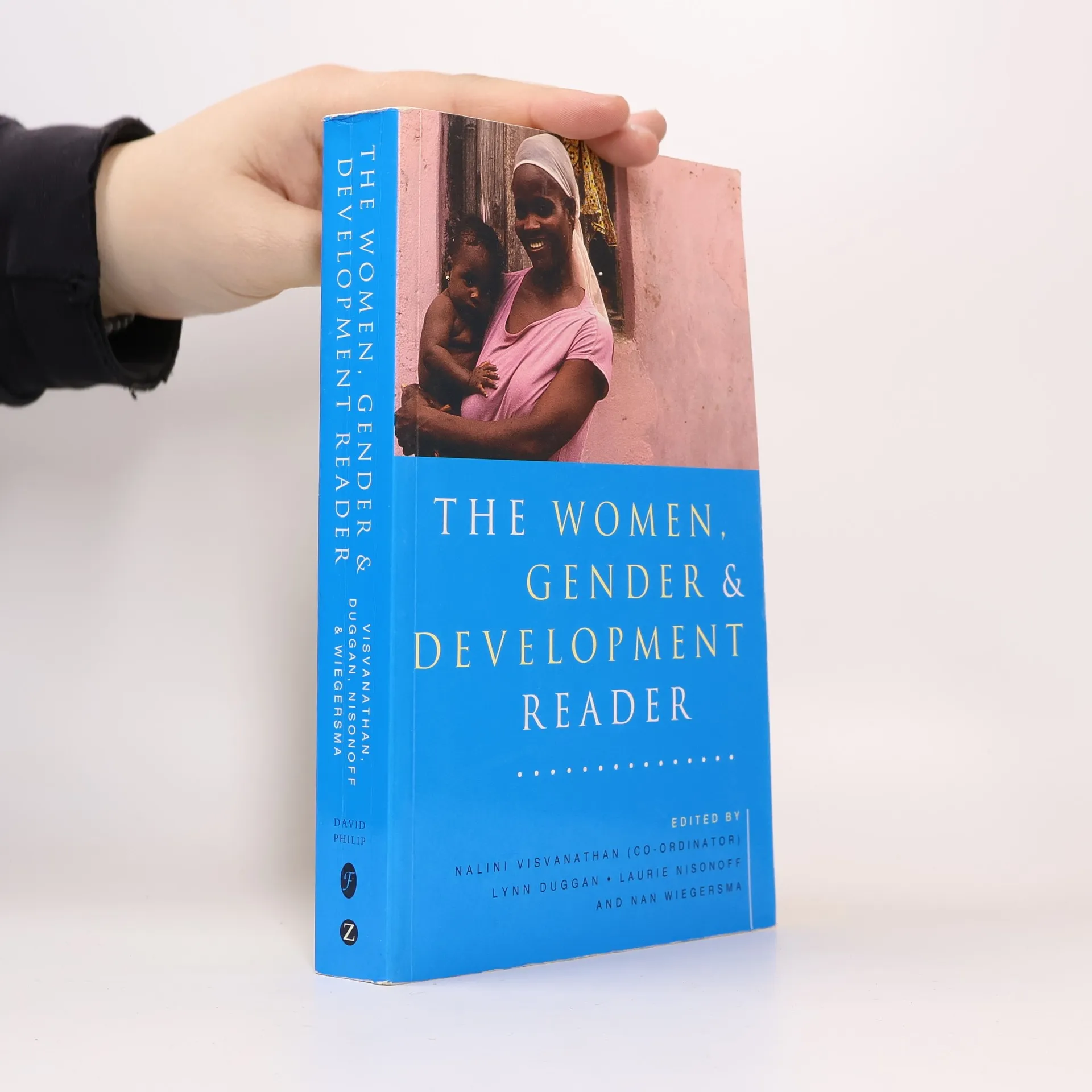
Więcej o książce
Third World women, once undervalued in the development process, are now recognized as crucial players. This comprehensive reader presents a selection of significant literature reflecting this shift. Divided into five parts, it features contributions from leading experts in the field. The first part introduces key theoretical debates and historical perspectives on women and development, exploring concepts such as class, race, ethnicity, religion, reproduction, inequalities, colonialism, modernization, economic exclusion, and patriarchy. The second part analyzes the household as an analytical unit, discussing topics like sexuality, single-parent families, agricultural production, and environmental relationships. The third part situates women within the global economy, addressing industrialization, multinational corporations, Free Trade Zones, the informal sector, and the feminization of labor. Part four examines the social transformation of women due to Structural Adjustment Policies and state interventions affecting health, reproductive rights, and sexuality. The volume raises critical questions about the intersection of national liberation struggles and feminist movements, the impact of religious fundamentalism, and the effects of capitalism on women. The final section highlights grassroots organizing among women for change. Case studies from regions like China, Southeast Asia, and Cuba vividly illustrate the theoretical dis
Zakup książki
The Women, Gender & Development Reader, Nalini Visvanathan, Lynn Duggan, Laurie Nisonoff, Nan Wiegersma
- Język

- Rok wydania
- 1997
- Oprawa
- (miękka)
Metody płatności
Brakuje nam tutaj Twojej recenzji.
- Tytuł
- The Women, Gender & Development Reader
- Język
- angielski
- Wydawca
- Zed Books
- Rok wydania
- 1997
- Oprawa
- miękka
- Liczba stron
- 416
- ISBN10
- 1856491420
- ISBN13
- 9781856491426
- Seria
- Ocena
- 3,8 z 5
- Opis
- Third World women, once undervalued in the development process, are now recognized as crucial players. This comprehensive reader presents a selection of significant literature reflecting this shift. Divided into five parts, it features contributions from leading experts in the field. The first part introduces key theoretical debates and historical perspectives on women and development, exploring concepts such as class, race, ethnicity, religion, reproduction, inequalities, colonialism, modernization, economic exclusion, and patriarchy. The second part analyzes the household as an analytical unit, discussing topics like sexuality, single-parent families, agricultural production, and environmental relationships. The third part situates women within the global economy, addressing industrialization, multinational corporations, Free Trade Zones, the informal sector, and the feminization of labor. Part four examines the social transformation of women due to Structural Adjustment Policies and state interventions affecting health, reproductive rights, and sexuality. The volume raises critical questions about the intersection of national liberation struggles and feminist movements, the impact of religious fundamentalism, and the effects of capitalism on women. The final section highlights grassroots organizing among women for change. Case studies from regions like China, Southeast Asia, and Cuba vividly illustrate the theoretical dis