

Więcej o książce
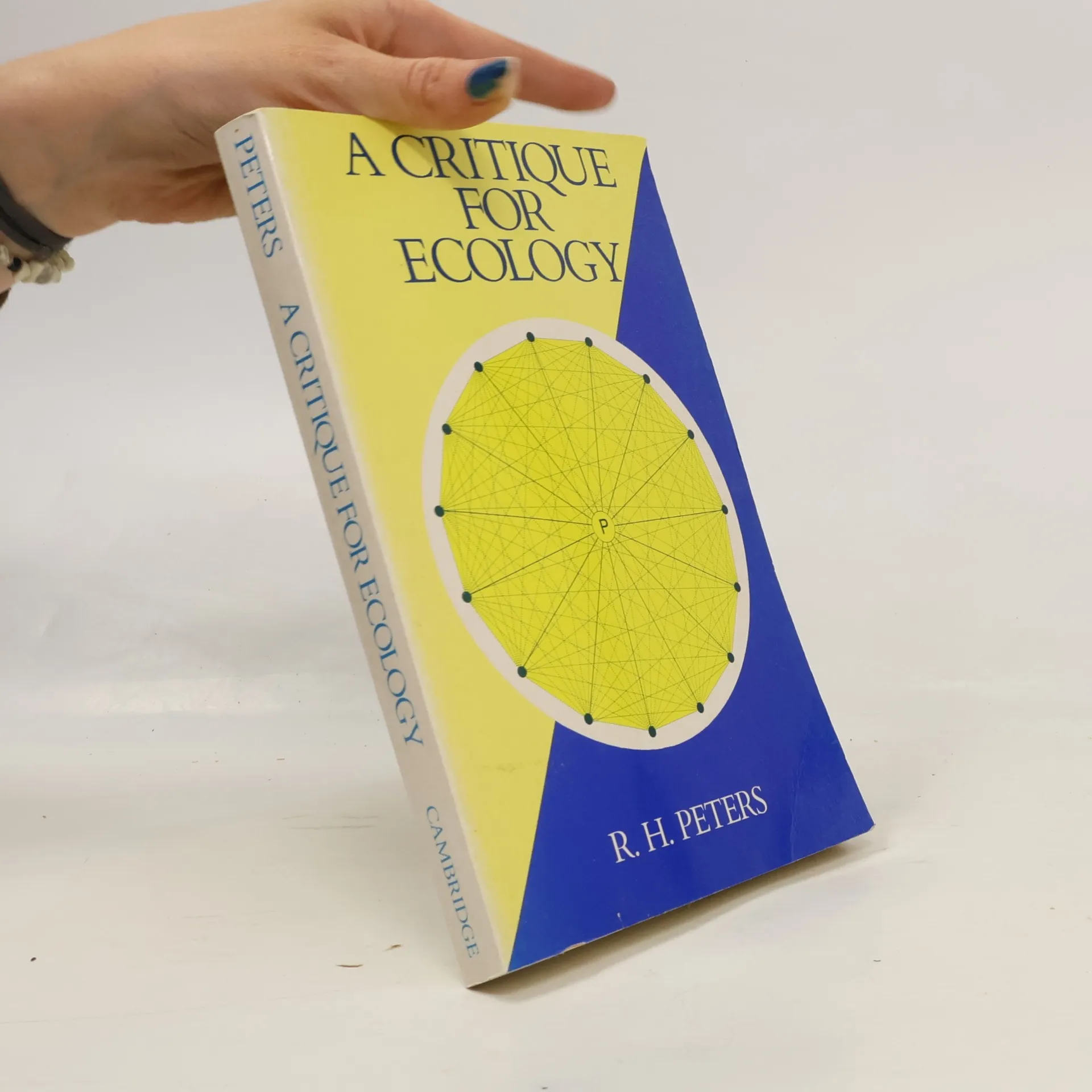
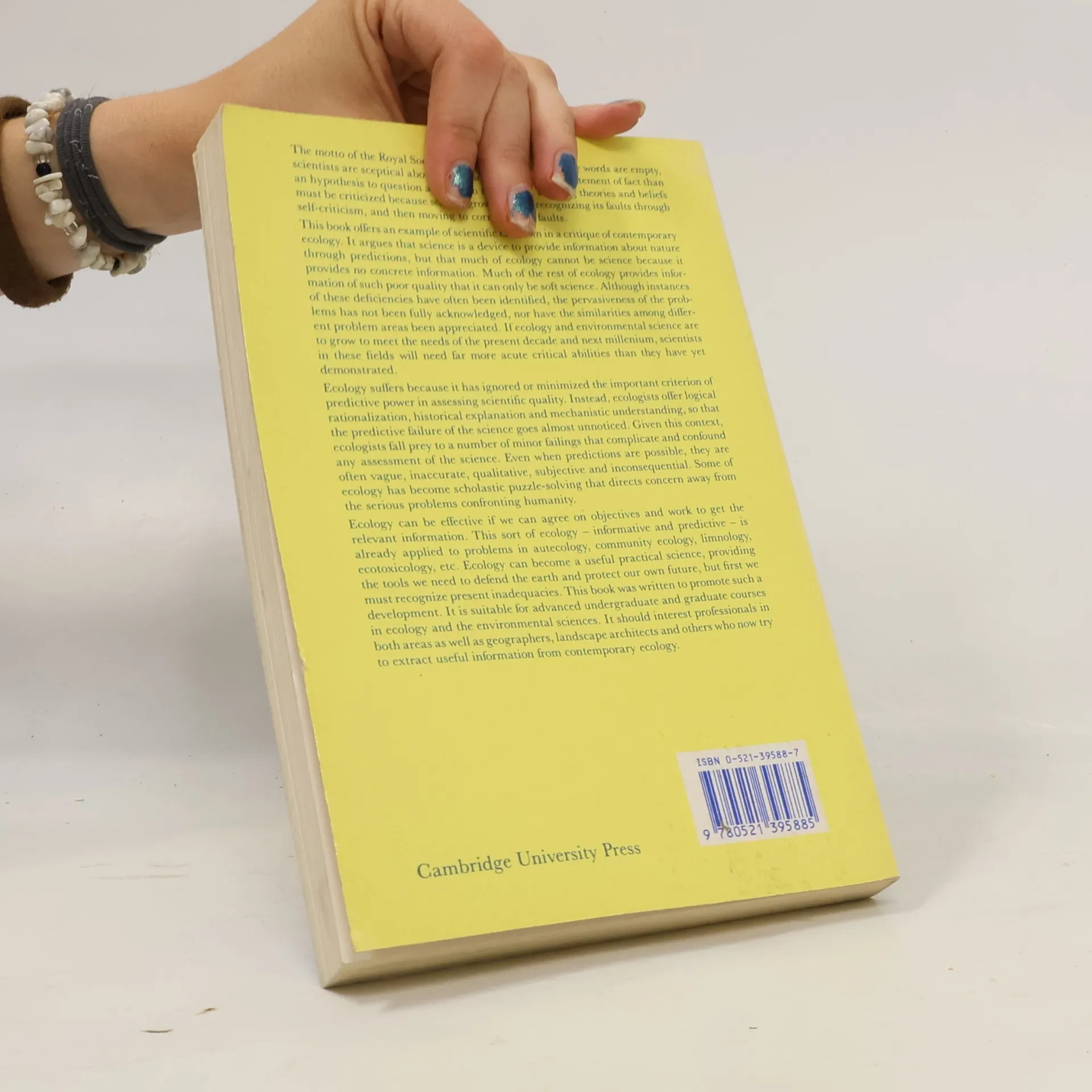
This book offers a critique of contemporary ecology, which could be applied to any discipline. Author Peters contends that science is a device to offer information about nature through predictions, but that a substantial part of ecology cannot be science because it provides no concrete information and much of the rest of ecology provides data of such poor quality that it can only be called soft science. Although instances of these deficiencies have often been identified, the pervasiveness of the problem has not been fully acknowledged, nor have the similarities among different problem areas been appreciated. If ecology and environmental science are to grow to meet the needs of the present decade and next millennium, scientists in these fields will need much more acute critical abilities than they have yet demonstrated. Professor Peters argues specifically that a return to simple questions of fact, to observations, and to questions of general relevance to science and society can make ecology a useful, practical, and informative science, which is desperately needed to meet the problems of our age. This thought-provoking and perhaps controversial book will be of particular interest to ecologists, but all scientists, from undergraduates to senior academics and professionals, can benefit from reading it.
Zakup książki
A Critique for Ecology, Robert Henry Peters
- Język

- Rok wydania
- 1991
- Oprawa
- (miękka),
- Stan książki
- Bardzo dobry
- Cena
- 21,17 zł
Metody płatności
Brakuje nam tutaj Twojej recenzji.
- Tytuł
- A Critique for Ecology
- Język
- angielski
- Autorzy
- Robert Henry Peters
- Wydawca
- Cambridge University Press
- Rok wydania
- 1991
- Oprawa
- miękka
- Liczba stron
- 384
- ISBN10
- 0521395887
- ISBN13
- 9780521395885
- Seria
- Ocena
- 4 z 5
- Opis
- This book offers a critique of contemporary ecology, which could be applied to any discipline. Author Peters contends that science is a device to offer information about nature through predictions, but that a substantial part of ecology cannot be science because it provides no concrete information and much of the rest of ecology provides data of such poor quality that it can only be called soft science. Although instances of these deficiencies have often been identified, the pervasiveness of the problem has not been fully acknowledged, nor have the similarities among different problem areas been appreciated. If ecology and environmental science are to grow to meet the needs of the present decade and next millennium, scientists in these fields will need much more acute critical abilities than they have yet demonstrated. Professor Peters argues specifically that a return to simple questions of fact, to observations, and to questions of general relevance to science and society can make ecology a useful, practical, and informative science, which is desperately needed to meet the problems of our age. This thought-provoking and perhaps controversial book will be of particular interest to ecologists, but all scientists, from undergraduates to senior academics and professionals, can benefit from reading it.