



Więcej o książce
Aunt Phillis's Cabin; or, Southern Life As It Is by Mary Henderson Eastman is a plantation fiction novel, recognized as a significant anti-Tom work in American literature. Published in 1852 as a response to Stowe's Uncle Tom's Cabin, it achieved commercial success, selling 20,000-30,000 copies. Drawing from her upbringing in an elite planter family in Warrenton, Virginia, Eastman depicts plantation owners and slaves as mutually respectful and content. The novel serves as a counterpoint to Stowe's portrayal of abusive plantation owners, instead presenting white owners as benevolent figures. Eastman incorporates quotes from various sources, including Uncle Tom's Cabin, to argue that slavery is a natural institution vital to life. The narrative features dialogue between masters and slaves, emphasizing the supposed happiness of Southern slaves compared to the suffering of free blacks and Northern workers, as noted by scholar Stephen Railton. Set in an unnamed Virginia town reliant on cotton plantation trade, the story illustrates how plantation owners adopt a caring approach toward their slaves to maintain peace and ensure the town's safety. Through various characters, the novel explores the complexities of this dynamic and the delicate balance required to sustain it.
Zakup książki
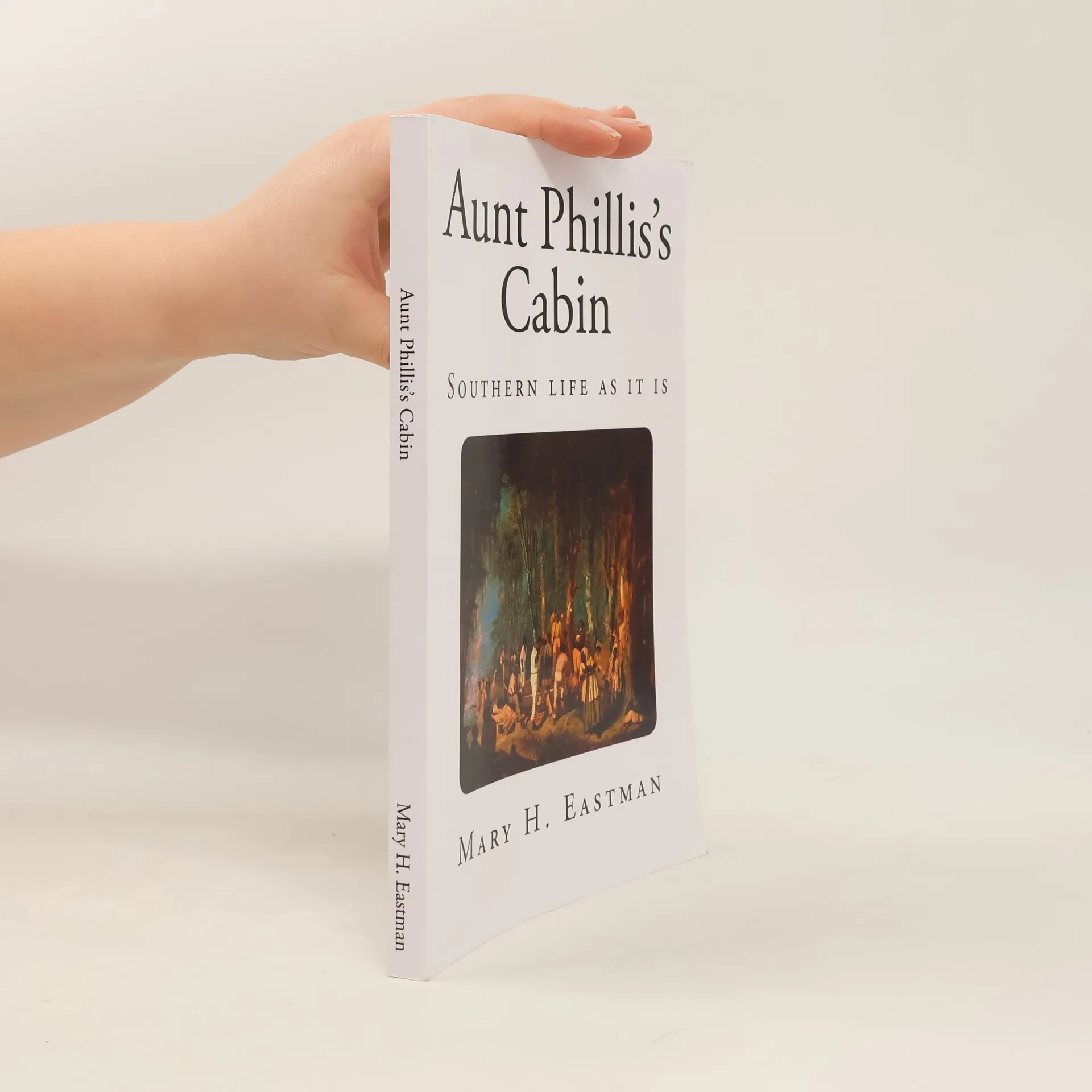
Aunt Phillis's Cabin, Mary H. Eastman
- Język

- Rok wydania
- 2014
- Oprawa
- (miękka),
- Stan książki
- Dobry
- Cena
- 1,43 zł
Metody płatności
Nikt jeszcze nie ocenił.
- Tytuł
- Aunt Phillis's Cabin
- Podtytuł
- Southern Life As It Is
- Język
- angielski
- Autorzy
- Mary H. Eastman
- Rok wydania
- 2014
- Oprawa
- miękka
- Liczba stron
- 200
- ISBN10
- 1500119962
- ISBN13
- 9781500119966
- Seria
- Kategorie
- Tagi
- Opis
- Aunt Phillis's Cabin; or, Southern Life As It Is by Mary Henderson Eastman is a plantation fiction novel, recognized as a significant anti-Tom work in American literature. Published in 1852 as a response to Stowe's Uncle Tom's Cabin, it achieved commercial success, selling 20,000-30,000 copies. Drawing from her upbringing in an elite planter family in Warrenton, Virginia, Eastman depicts plantation owners and slaves as mutually respectful and content. The novel serves as a counterpoint to Stowe's portrayal of abusive plantation owners, instead presenting white owners as benevolent figures. Eastman incorporates quotes from various sources, including Uncle Tom's Cabin, to argue that slavery is a natural institution vital to life. The narrative features dialogue between masters and slaves, emphasizing the supposed happiness of Southern slaves compared to the suffering of free blacks and Northern workers, as noted by scholar Stephen Railton. Set in an unnamed Virginia town reliant on cotton plantation trade, the story illustrates how plantation owners adopt a caring approach toward their slaves to maintain peace and ensure the town's safety. Through various characters, the novel explores the complexities of this dynamic and the delicate balance required to sustain it.