

Więcej o książce
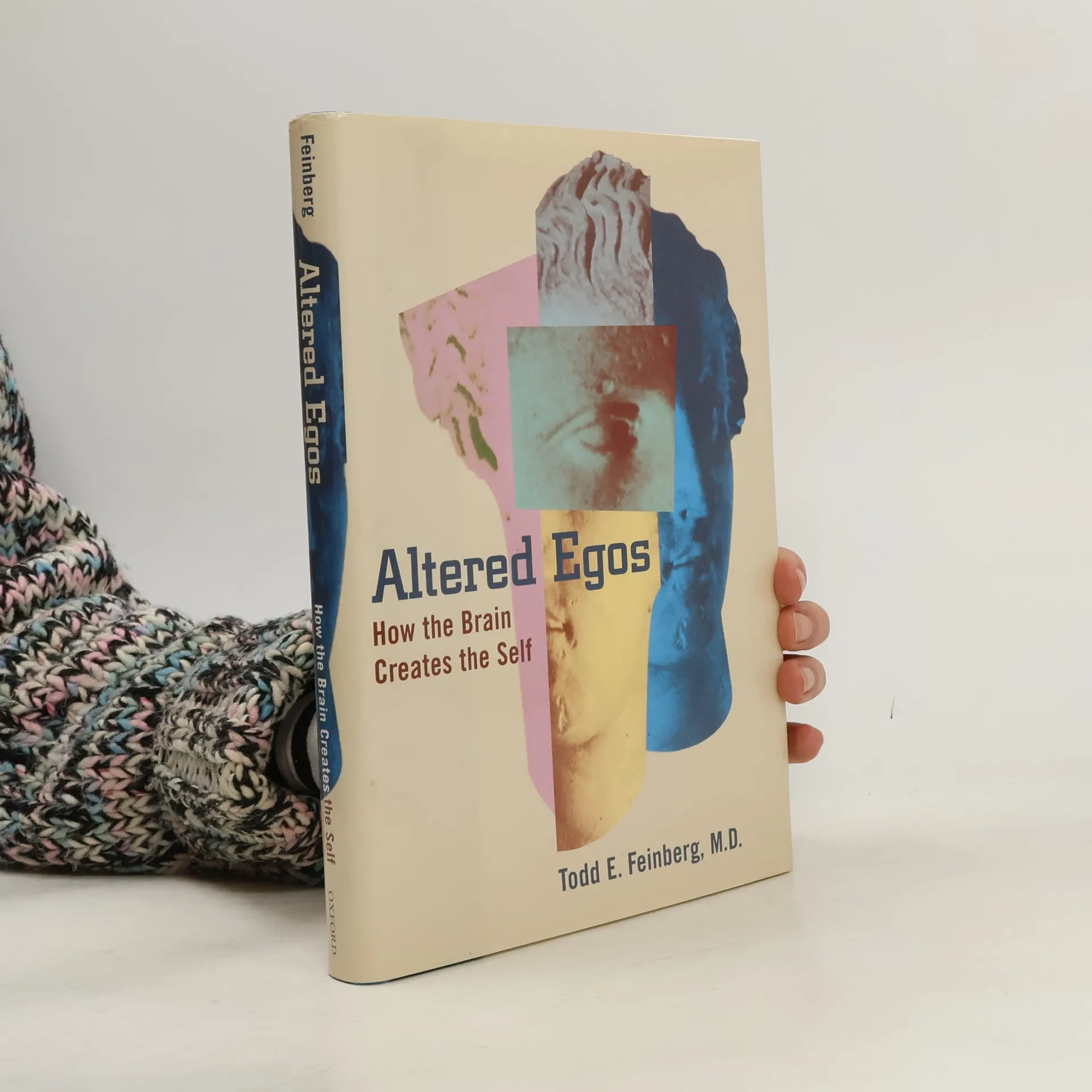
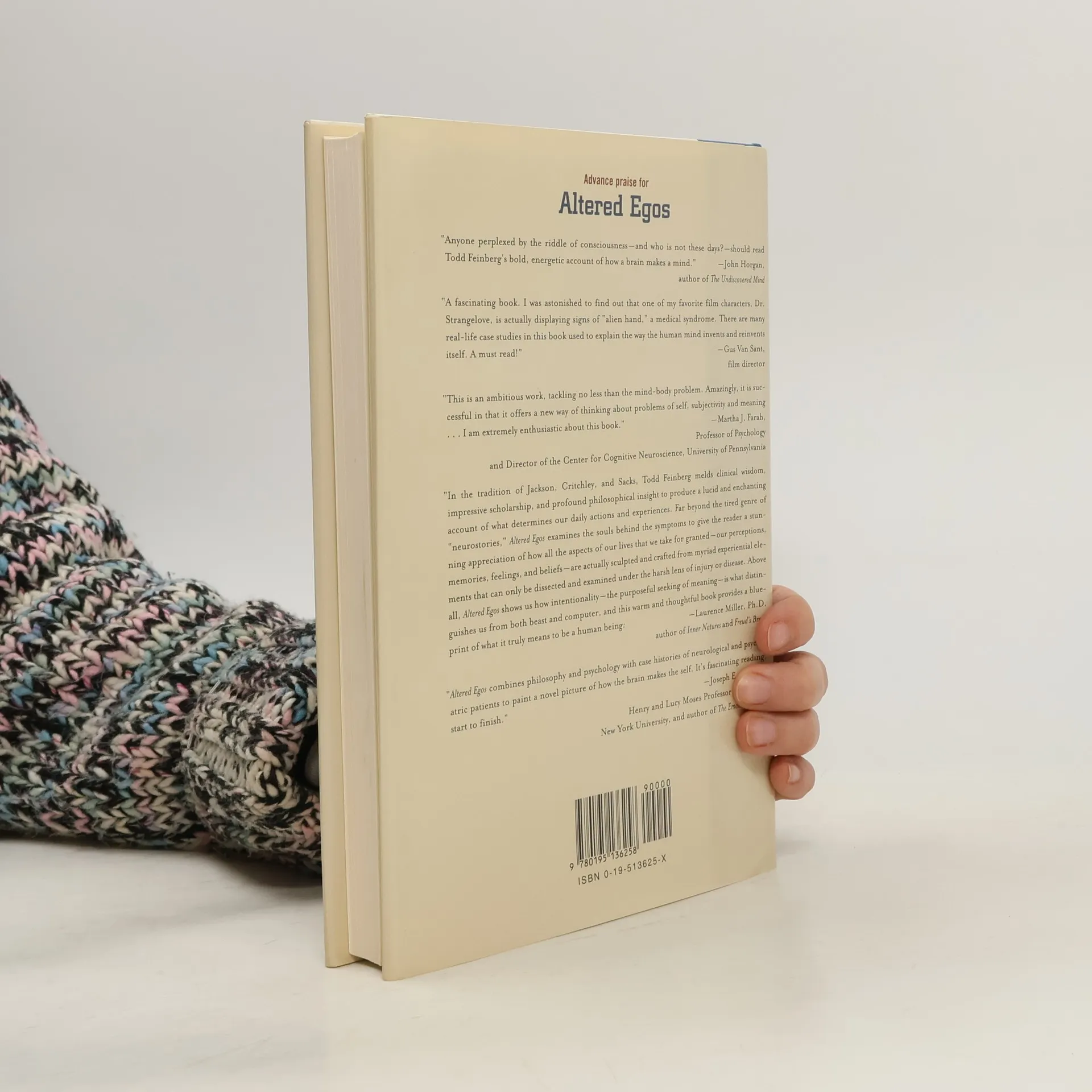
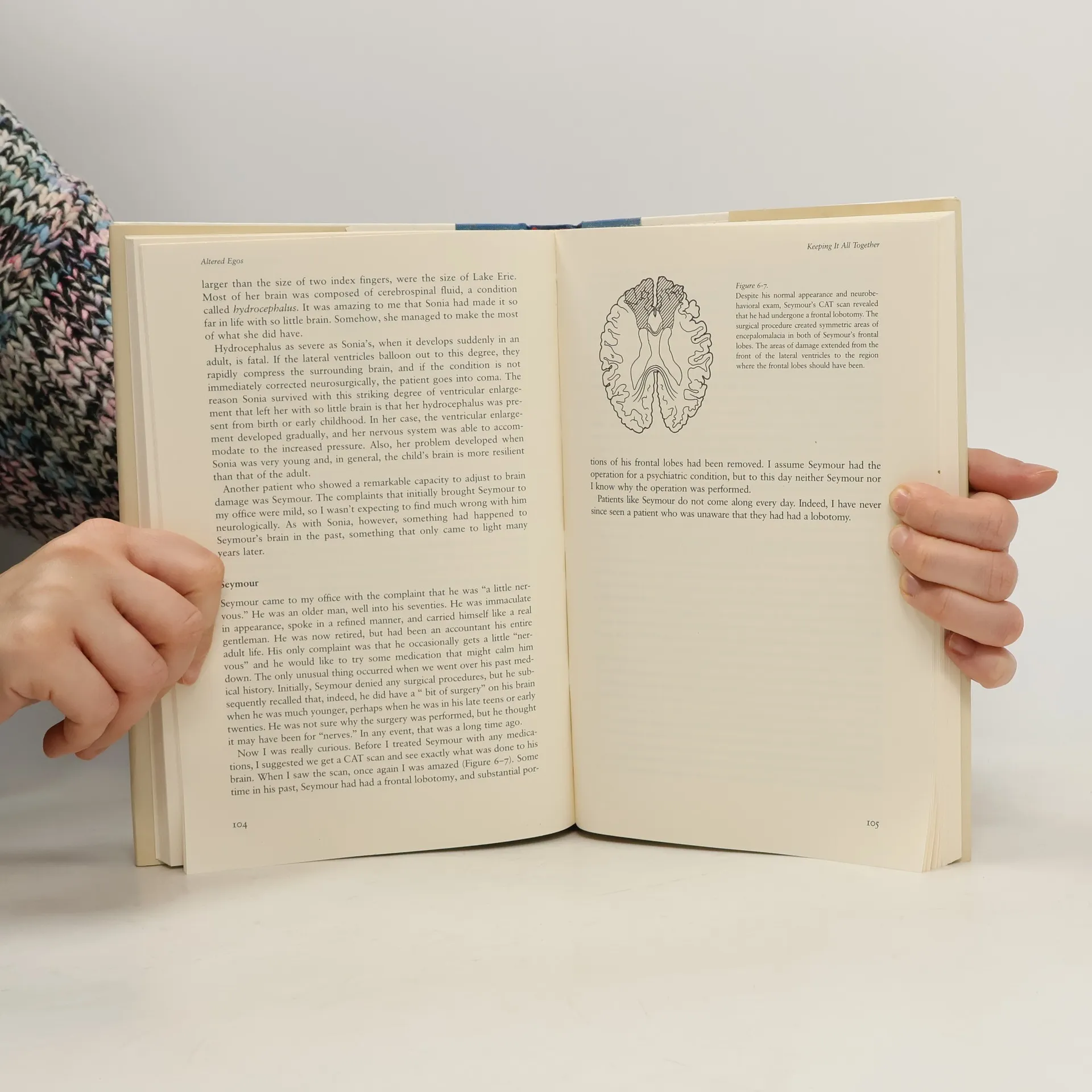
It may be the deepest mystery of philosophy, psychology, and neuroscience: how does the brain unite to create the self, the subjective "I"? Dr. Todd Feinberg presents a new theory of the self, drawing on his experiences as both a psychiatrist and neurologist. He introduces readers to intriguing cases of patients with disorders leading to what he calls "altered egos," where brain changes transform the boundaries of the self. These include patients with "alien hand syndrome," those with frontal lobe damage who fabricate elaborate life stories, and paralyzed individuals who disown a limb. Feinberg argues that their brain damage has fragmented their sense of self beyond mere functional impairment. Through these cases, he provides insight into the self and mind, presenting a model that connects brain function with personal aspects of the mind, such as meaning and purpose. He explains how the unified self emerges not from a specific brain region but from the complexity of the brain's components. Lucid and filled with fascinating case studies, this work promises to transform our understanding of human consciousness and identity.
Zakup książki
Altered Egos, Todd E. Feinberg
- Język

- Rok wydania
- 2001
- Oprawa
- (twarda)
Metody płatności
Brakuje nam tutaj Twojej recenzji.
- Tytuł
- Altered Egos
- Podtytuł
- How the Brain Creates the Self
- Język
- angielski
- Autorzy
- Todd E. Feinberg
- Wydawca
- Oxford University Press
- Rok wydania
- 2001
- Oprawa
- twarda
- Liczba stron
- 205
- ISBN10
- 019513625X
- ISBN13
- 9780195136258
- Seria
- Ocena
- 3,1 z 5
- Opis
- It may be the deepest mystery of philosophy, psychology, and neuroscience: how does the brain unite to create the self, the subjective "I"? Dr. Todd Feinberg presents a new theory of the self, drawing on his experiences as both a psychiatrist and neurologist. He introduces readers to intriguing cases of patients with disorders leading to what he calls "altered egos," where brain changes transform the boundaries of the self. These include patients with "alien hand syndrome," those with frontal lobe damage who fabricate elaborate life stories, and paralyzed individuals who disown a limb. Feinberg argues that their brain damage has fragmented their sense of self beyond mere functional impairment. Through these cases, he provides insight into the self and mind, presenting a model that connects brain function with personal aspects of the mind, such as meaning and purpose. He explains how the unified self emerges not from a specific brain region but from the complexity of the brain's components. Lucid and filled with fascinating case studies, this work promises to transform our understanding of human consciousness and identity.