



Seria
Więcej o książce
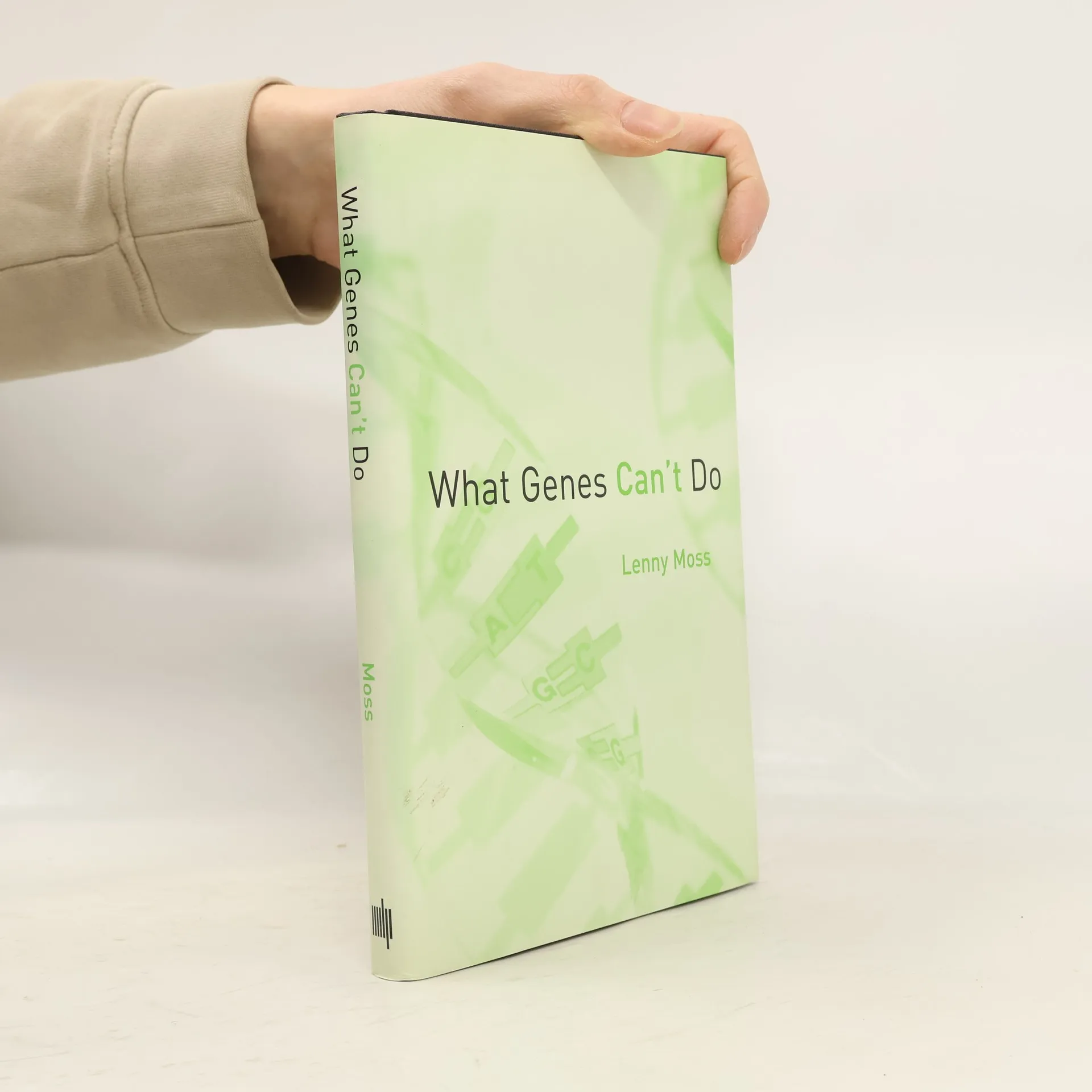
The idea of the gene has been a central organizing theme of 20th-century biology, and the Human Genome Project and biotechnological advances have put the gene in the media spotlight. In this text Lenny Moss reviews the history that led to the gene-centered approach of contemporary biology. He offers a critique of this approach and suggests an alternative to it. He also attempts to bring rhetorical analysis back into a productive encounter with empirical science. Moss identifies two distinctly different uses of the concept of the gene, Gene-P and Gene-D-genes as instrumental predictors of phenotypes and genes as developmental resources that specify possible amino acid sequences in proteins. The popular idea that genes provide the blueprints for organisms, claims Moss, arose from the incorrect conflation of these independently valid meanings of the gene.
Zakup książki
Basic Bioethics: What Genes Can't Do, Lenny Moss
- Język

- Rok wydania
- 2002
- Oprawa
- (twarda)
Metody płatności
Brakuje nam tutaj Twojej recenzji.
- Tytuł
- Basic Bioethics: What Genes Can't Do
- Język
- angielski
- Autorzy
- Lenny Moss
- Wydawca
- MIT Press
- Rok wydania
- 2002
- Oprawa
- twarda
- Liczba stron
- 228
- ISBN10
- 026213411X
- ISBN13
- 9780262134118
- Seria
- Basic Bioethics
- Tagi
- Nauki przyrodnicze, Tematyka filozoficzna, Nauka, USA, Tematyka medyczna, Genetyka, Biotechnologia, Bioetyka
- Ocena
- 3 z 5
- Opis
- The idea of the gene has been a central organizing theme of 20th-century biology, and the Human Genome Project and biotechnological advances have put the gene in the media spotlight. In this text Lenny Moss reviews the history that led to the gene-centered approach of contemporary biology. He offers a critique of this approach and suggests an alternative to it. He also attempts to bring rhetorical analysis back into a productive encounter with empirical science. Moss identifies two distinctly different uses of the concept of the gene, Gene-P and Gene-D-genes as instrumental predictors of phenotypes and genes as developmental resources that specify possible amino acid sequences in proteins. The popular idea that genes provide the blueprints for organisms, claims Moss, arose from the incorrect conflation of these independently valid meanings of the gene.