

Parametry
- 232 strony
- 9 godzin czytania
Więcej o książce
In recent years, Dutch environmental policy has undergone some pivotal changes, the most significant of which have been decentralization and deregulation, encouraging local communities to develop and deliver policies which are tailor-made to their particular situation. These changes have led to the development of some innovative practical instruments for aiding sustainable environmental spatial policy. This book discusses these new 'methods for environmental externalities' and their significance in the development and delivery of Dutch environmental policies, particularly how they ensure that issues such as health and hygiene are introduced in the early stages of spatial planning processes. This book highlights the most prominent and relevant of these innovative 'methods for environmental externalities' as well as comparing them with some of the classic methods, and analysing strengths and weaknesses. It argues that having such a broad and varied choice of methods is the key to ensuring the impressive and groundbreaking Dutch creativity in environmental management. In conclusion, the book extrapolates current trends in environmental policy, expresses likely and possible developments in 'methods for environmental externalities' and shows how such methods can contribute in our ongoing attempts to develop and deliver liveable, pleasant and sustainable towns and cities.
Zakup książki
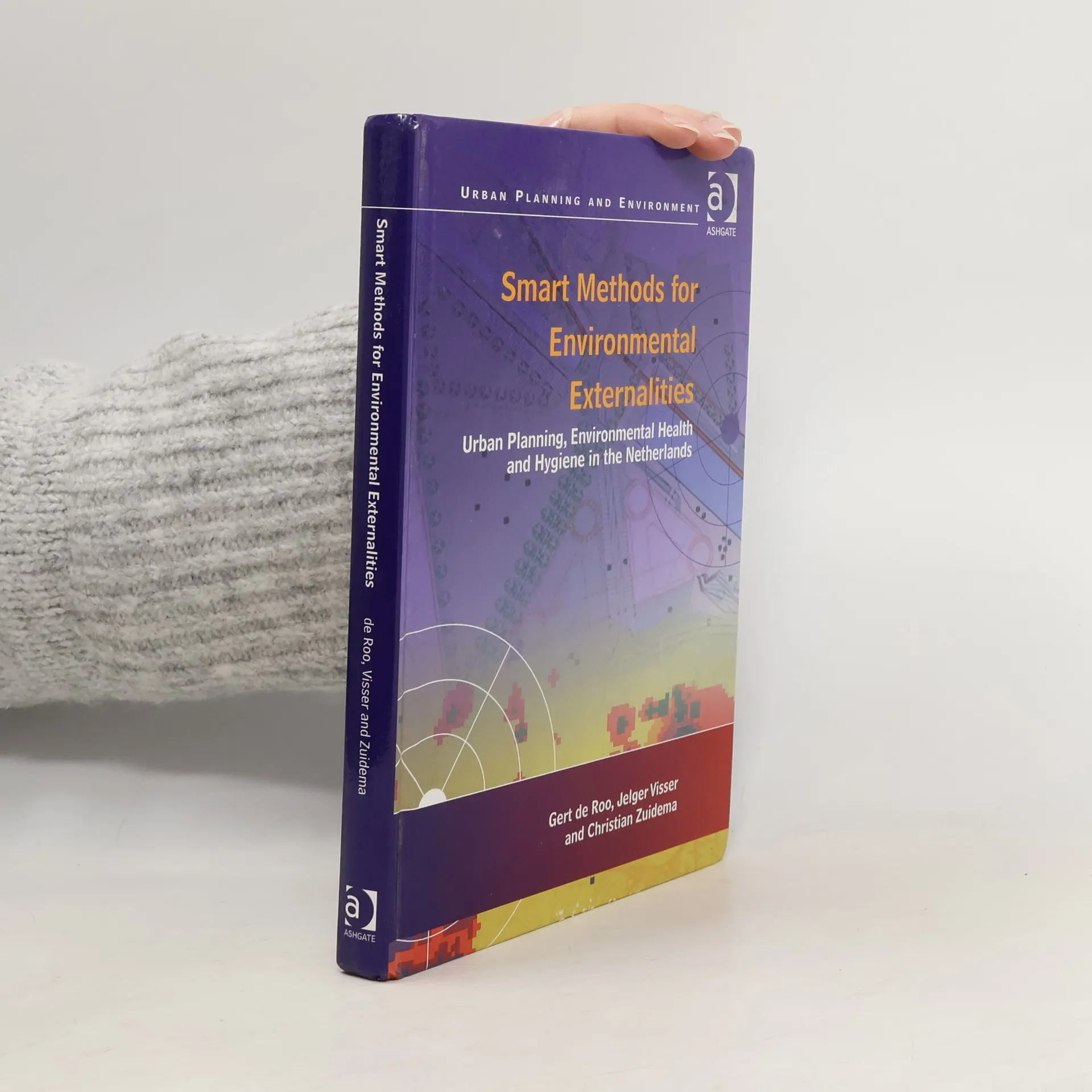
Smart Methods for Environmental Externalities, Jelger Visser, Gert de Roo, Christian Zuidema
- Język

- Rok wydania
- 2011
- Oprawa
- (twarda)
Metody płatności
Nikt jeszcze nie ocenił.
- Tytuł
- Smart Methods for Environmental Externalities
- Podtytuł
- Urban Planning, Environmental Health and Hygiene in the Netherlands
- Język
- angielski
- Autorzy
- Jelger Visser, Gert de Roo, Christian Zuidema
- Wydawca
- Routledge
- Rok wydania
- 2011
- Oprawa
- twarda
- Liczba stron
- 232
- ISBN10
- 1409425444
- ISBN13
- 9781409425441
- Seria
- Kategorie
- Tagi
- Przyroda, Tematy prawne, Polityka, Nauka, Tematy ekologiczne, Literatura fachowa, Teorie polityczne, Zachodnia Europa, Holandia, Prawo cywilne, Nauka o środowisku, Planowanie, Zasoby naturalne, Planowanie przestrzenne
- Opis
- In recent years, Dutch environmental policy has undergone some pivotal changes, the most significant of which have been decentralization and deregulation, encouraging local communities to develop and deliver policies which are tailor-made to their particular situation. These changes have led to the development of some innovative practical instruments for aiding sustainable environmental spatial policy. This book discusses these new 'methods for environmental externalities' and their significance in the development and delivery of Dutch environmental policies, particularly how they ensure that issues such as health and hygiene are introduced in the early stages of spatial planning processes. This book highlights the most prominent and relevant of these innovative 'methods for environmental externalities' as well as comparing them with some of the classic methods, and analysing strengths and weaknesses. It argues that having such a broad and varied choice of methods is the key to ensuring the impressive and groundbreaking Dutch creativity in environmental management. In conclusion, the book extrapolates current trends in environmental policy, expresses likely and possible developments in 'methods for environmental externalities' and shows how such methods can contribute in our ongoing attempts to develop and deliver liveable, pleasant and sustainable towns and cities.