


Więcej o książce
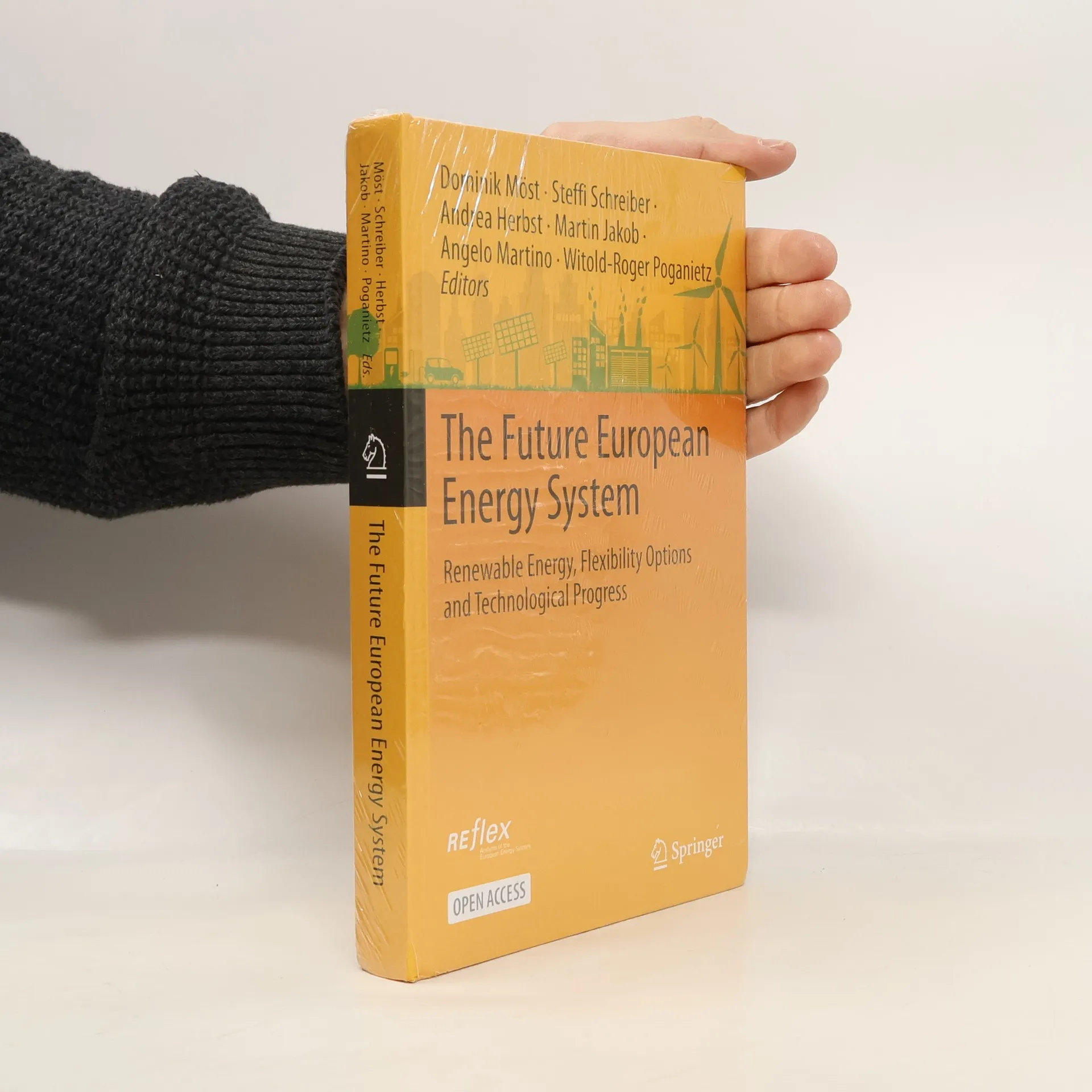
This open access book analyzes the transition toward a low-carbon energy system in Europe under the aspects of flexibility and technological progress. By covering the main energy sectors – including the industry, residential, tertiary and transport sector as well as the heating and electricity sector – the analysis assesses flexibility requirements in a cross-sectoral energy system with high shares of renewable energies. The contributing authors – all European energy experts – apply models and tools from various research fields, including techno-economic learning, fundamental energy system modeling, and environmental and social life cycle as well as health impact assessment, to develop an innovative and comprehensive energy models system (EMS). Moreover, the contributions examine renewable penetrations and their contributions to climate change mitigation, and the impacts of available technologies on the energy system. Given its scope, the book appeals to researchers studying energy systems and markets, professionals and policymakers of the energy industry and readers interested in the transformation to a low-carbon energy system in Europe.
Zakup książki
The Future European Energy System, Dominik Möst
- Język

- Rok wydania
- 2021
- Oprawa
- (twarda)
Metody płatności
Nikt jeszcze nie ocenił.
- Tytuł
- The Future European Energy System
- Język
- angielski
- Autorzy
- Dominik Möst
- Wydawca
- Springer
- Rok wydania
- 2021
- Oprawa
- twarda
- Liczba stron
- 338
- ISBN10
- 3030609138
- ISBN13
- 9783030609139
- Seria
- Tagi
- Biznes
- Opis
- This open access book analyzes the transition toward a low-carbon energy system in Europe under the aspects of flexibility and technological progress. By covering the main energy sectors – including the industry, residential, tertiary and transport sector as well as the heating and electricity sector – the analysis assesses flexibility requirements in a cross-sectoral energy system with high shares of renewable energies. The contributing authors – all European energy experts – apply models and tools from various research fields, including techno-economic learning, fundamental energy system modeling, and environmental and social life cycle as well as health impact assessment, to develop an innovative and comprehensive energy models system (EMS). Moreover, the contributions examine renewable penetrations and their contributions to climate change mitigation, and the impacts of available technologies on the energy system. Given its scope, the book appeals to researchers studying energy systems and markets, professionals and policymakers of the energy industry and readers interested in the transformation to a low-carbon energy system in Europe.