

Więcej o książce
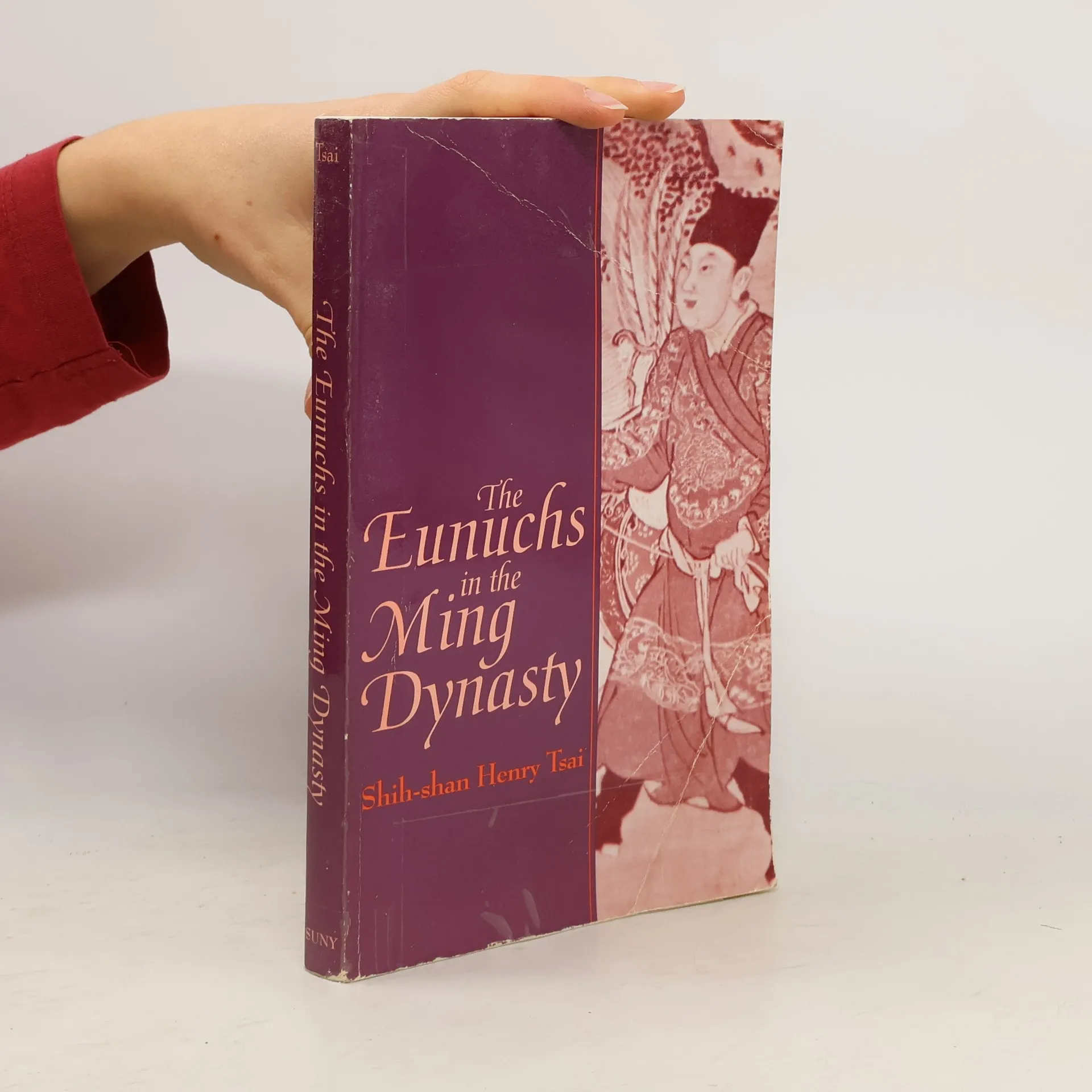
This book is the first on Chinese eunuchs in English and presents a comprehensive picture of the role that they played in the Ming dynasty, 1368-1644. Extracted from a wide range of primary and secondary source material, the author provides significant and interesting information about court politics, espionage and internal security, military and foreign affairs, tax and tribute collection, the operation of imperial monopolies, judiciary review, the layout of the palace complex, the Grand Canal, and much more.The eunuchs are shown to be not just a minor adjunct to a government of civil servants and military officers, but a fully developed third branch of the Ming administration that participated in all of the most essential matters of the dynasty. The veil of condemnation and jealousy imposed on eunuchs by the compilers of official history is pulled away to reveal a richly textured tapestry. Eunuchs are portrayed in a balanced manner that gives due consideration to able and faithful service along with the inept, the lurid, and the iniquitous.
Zakup książki
SUNY Series in Chinese Local Studies: The Eunuchs in the Ming Dynasty, Shih-Shan Henry Tsai
- Język

- Rok wydania
- 1995
- Oprawa
- (miękka)
Metody płatności
Brakuje nam tutaj Twojej recenzji.
- Tytuł
- SUNY Series in Chinese Local Studies: The Eunuchs in the Ming Dynasty
- Język
- angielski
- Autorzy
- Shih-Shan Henry Tsai
- Rok wydania
- 1995
- Oprawa
- miękka
- Liczba stron
- 312
- ISBN10
- 0791426882
- ISBN13
- 9780791426883
- Seria
- Ocena
- 3,65 z 5
- Opis
- This book is the first on Chinese eunuchs in English and presents a comprehensive picture of the role that they played in the Ming dynasty, 1368-1644. Extracted from a wide range of primary and secondary source material, the author provides significant and interesting information about court politics, espionage and internal security, military and foreign affairs, tax and tribute collection, the operation of imperial monopolies, judiciary review, the layout of the palace complex, the Grand Canal, and much more.The eunuchs are shown to be not just a minor adjunct to a government of civil servants and military officers, but a fully developed third branch of the Ming administration that participated in all of the most essential matters of the dynasty. The veil of condemnation and jealousy imposed on eunuchs by the compilers of official history is pulled away to reveal a richly textured tapestry. Eunuchs are portrayed in a balanced manner that gives due consideration to able and faithful service along with the inept, the lurid, and the iniquitous.