


Więcej o książce
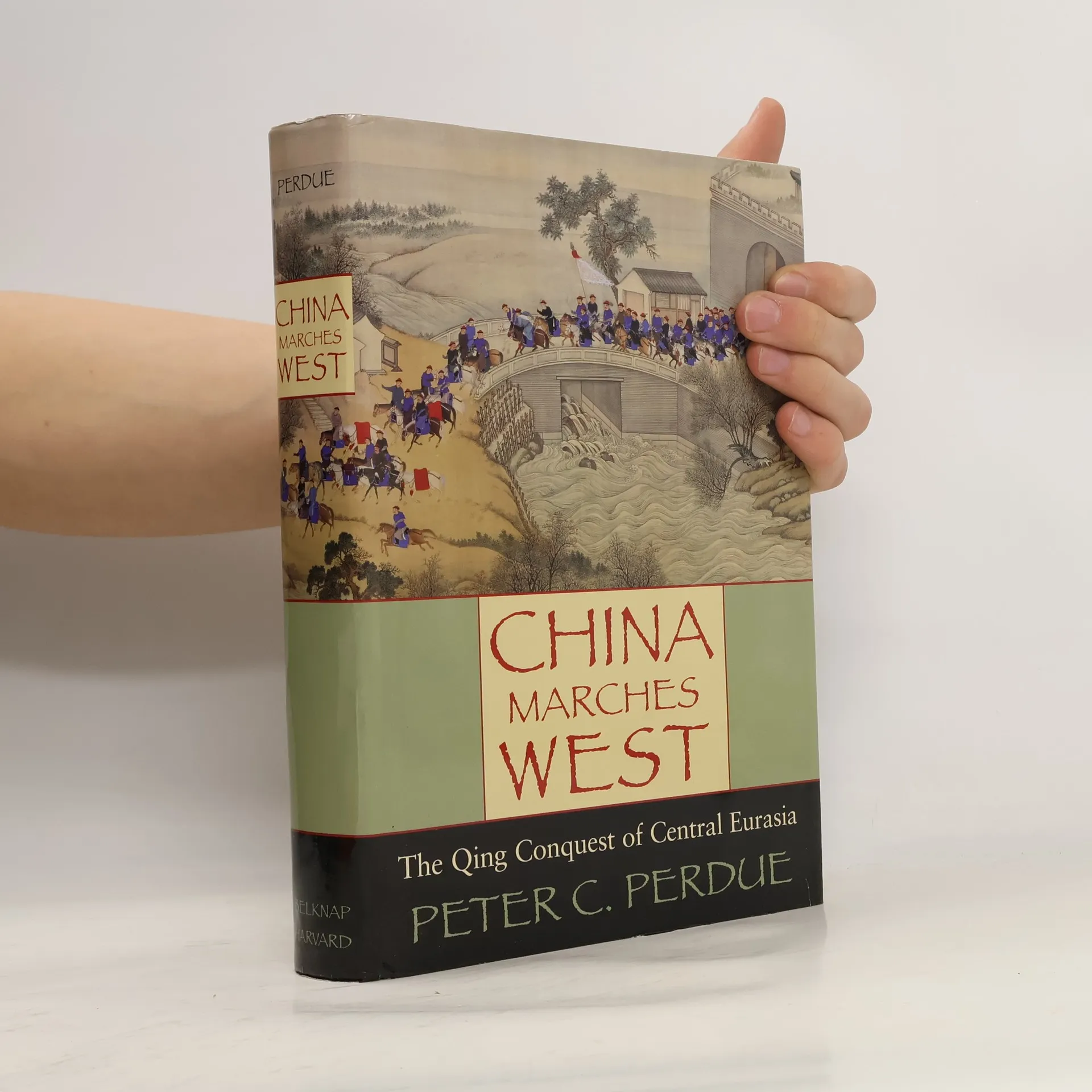
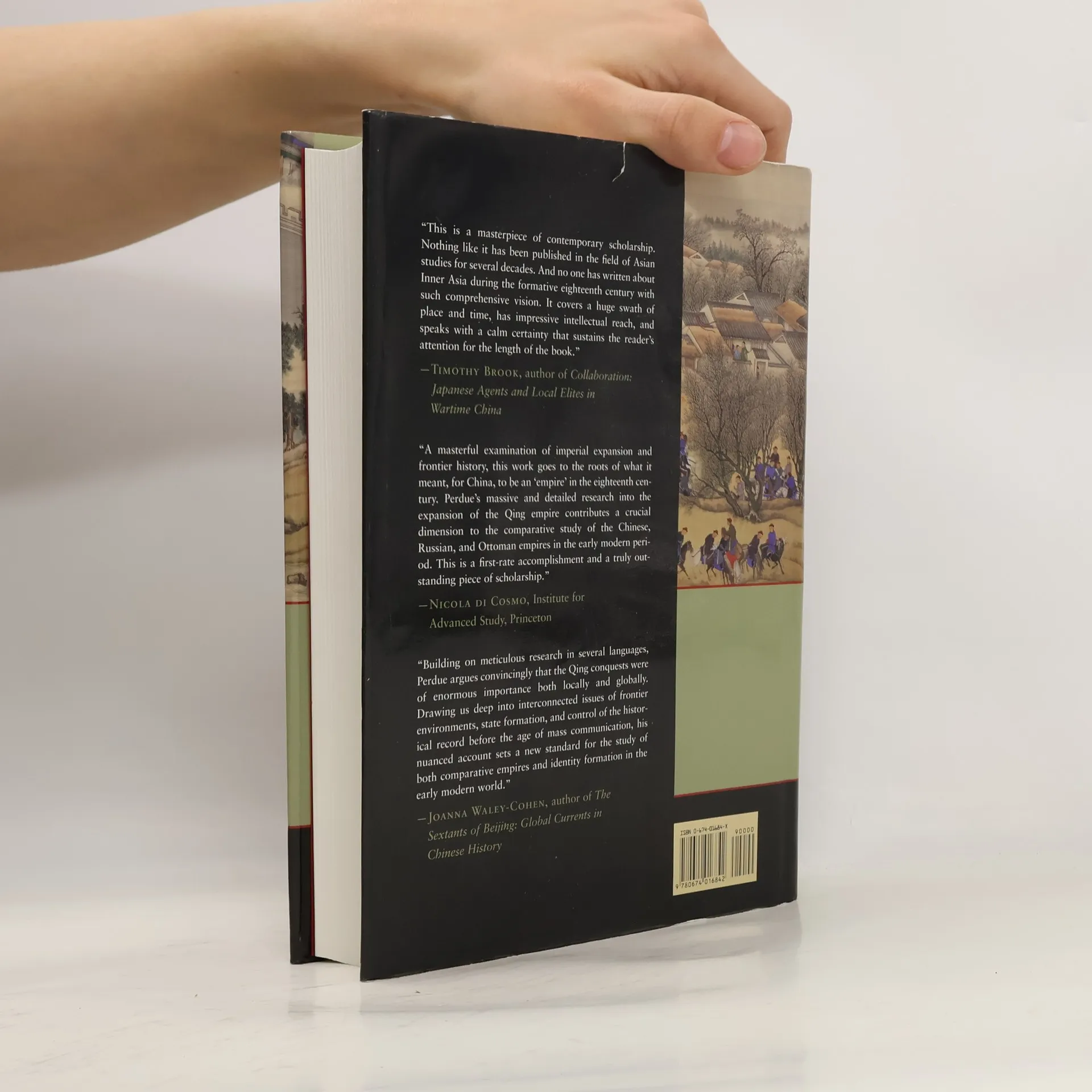
From 1600 to 1800, the Qing empire of China expanded significantly through diplomacy, economic investment, and military campaigns, defeating the Zunghar Mongols and controlling modern Xinjiang and Mongolia, while also influencing Tibet. This expansion shaped the China we recognize today. Peter C. Perdue chronicles this lesser-known narrative of China's northwestern frontier expansion. Unlike prior dynasties, the Qing maintained lasting dominance over the eastern half of Eurasia, employing both repression and peaceful strategies to integrate subject peoples. They heavily invested in the region's economic and administrative development, promoted trade networks, and adapted cultural ceremonies to local customs. Perdue explores how China established its rule over Central Eurasia and justified its control, examining what unifies the Chinese nation and how its relationships with the Islamic world and Mongolia evolved. He draws valuable comparisons to other colonial empires and discusses the enduring legacy of China's frontier expansion. Today, the Beijing government grapples with unrest in these regions due to its autocratic rule while simultaneously pursuing ambitious development programs reminiscent of Qing policies. This work fundamentally reshapes our understanding of Central Eurasia.
Zakup książki
China Marches West, Peter C. Perdue
- Język

- Rok wydania
- 2005
- Oprawa
- (twarda)
Metody płatności
Brakuje nam tutaj Twojej recenzji.
- Tytuł
- China Marches West
- Podtytuł
- The Qing Conquest of Central Eurasia
- Język
- angielski
- Autorzy
- Peter C. Perdue
- Wydawca
- Belknap Press
- Rok wydania
- 2005
- Oprawa
- twarda
- Liczba stron
- 752
- ISBN10
- 067401684X
- ISBN13
- 9780674016842
- Seria
- Ocena
- 4,15 z 5
- Opis
- From 1600 to 1800, the Qing empire of China expanded significantly through diplomacy, economic investment, and military campaigns, defeating the Zunghar Mongols and controlling modern Xinjiang and Mongolia, while also influencing Tibet. This expansion shaped the China we recognize today. Peter C. Perdue chronicles this lesser-known narrative of China's northwestern frontier expansion. Unlike prior dynasties, the Qing maintained lasting dominance over the eastern half of Eurasia, employing both repression and peaceful strategies to integrate subject peoples. They heavily invested in the region's economic and administrative development, promoted trade networks, and adapted cultural ceremonies to local customs. Perdue explores how China established its rule over Central Eurasia and justified its control, examining what unifies the Chinese nation and how its relationships with the Islamic world and Mongolia evolved. He draws valuable comparisons to other colonial empires and discusses the enduring legacy of China's frontier expansion. Today, the Beijing government grapples with unrest in these regions due to its autocratic rule while simultaneously pursuing ambitious development programs reminiscent of Qing policies. This work fundamentally reshapes our understanding of Central Eurasia.