



Więcej o książce
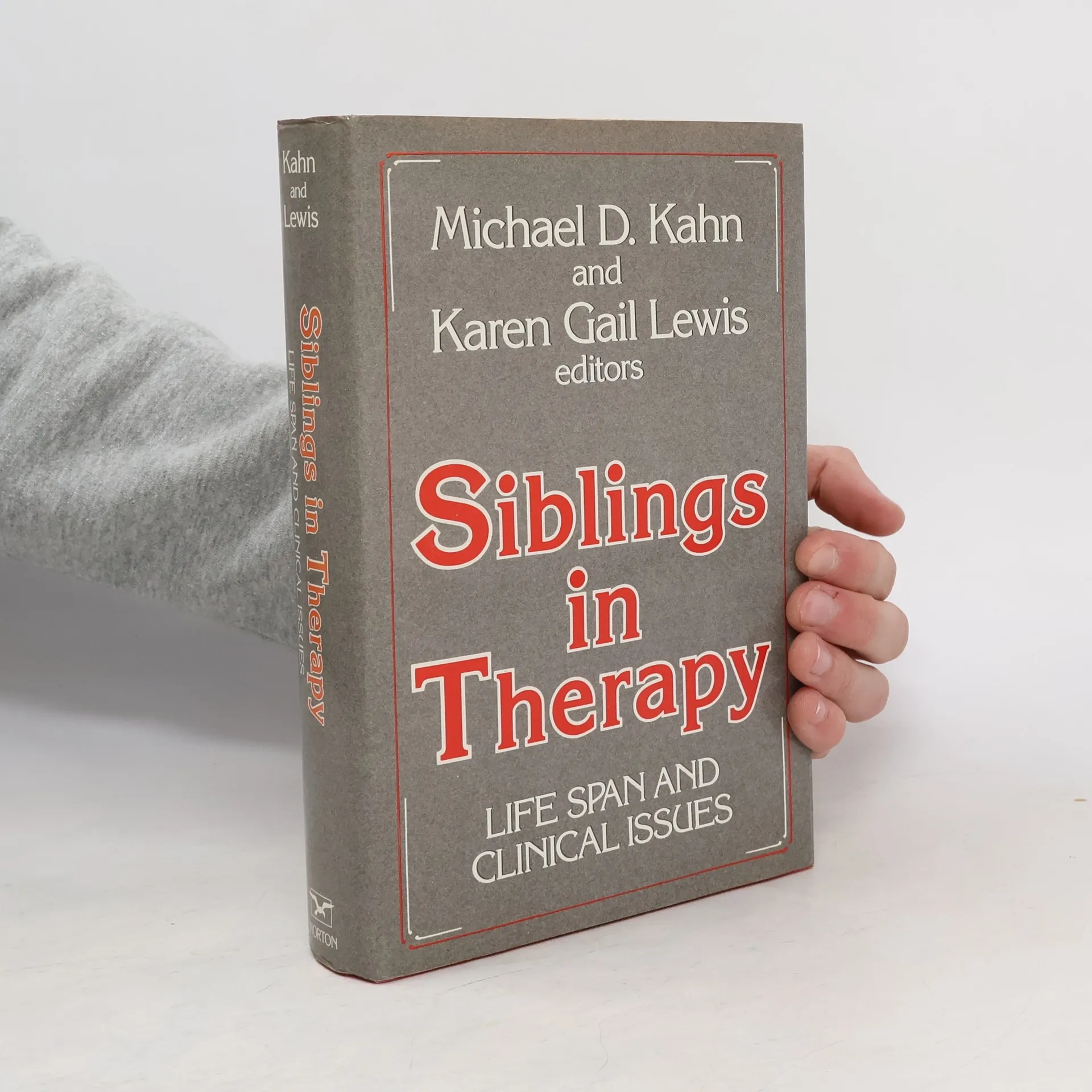
Brothers and sisters significantly shape each other's personality development, social adaptation, emotional vitality, family experiences, and life choices in love and work. This book highlights the long-overdue acknowledgment of sibling relationships in psychotherapy. Experienced psychotherapists contribute insights into the sibling bond throughout the life span, addressing various normative and clinical issues. The first section examines general sibling issues, including intense sibling relationships, the effects of birth order and family structure, and ethnic considerations. The second section focuses on early years, discussing sibling dynamics in large, divorced, and alcoholic families, along with the treatment of brother-sister incest and siblings of disabled children. As the narrative progresses into adolescence and young adulthood, the third section delves into balancing closeness and separateness, exploring symptoms as sibling messages and the unique dynamics in same-gender sibling families, as well as those dealing with eating disorders and chronic mental illness. The fourth section reminds us that childhood sibling conflicts can impact adult relationships, examining dynamics in family businesses and among co-therapists. Finally, the fifth section addresses the challenges faced by adult siblings caring for aging parents and the relationships among elderly siblings, emphasizing the enduring nature of sibling bonds
Zakup książki
Siblings in Therapy, Michael D. Kahn, Karen Gail Lewis
- Język

- Rok wydania
- 1988
- Oprawa
- (twarda)
Metody płatności
Nikt jeszcze nie ocenił.
- Tytuł
- Siblings in Therapy
- Podtytuł
- Life Span and Clinical Issues
- Język
- angielski
- Autorzy
- Michael D. Kahn, Karen Gail Lewis
- Wydawca
- W. W. Norton & Company
- Rok wydania
- 1988
- Oprawa
- twarda
- Liczba stron
- 469
- ISBN10
- 0393700585
- ISBN13
- 9780393700589
- Seria
- Opis
- Brothers and sisters significantly shape each other's personality development, social adaptation, emotional vitality, family experiences, and life choices in love and work. This book highlights the long-overdue acknowledgment of sibling relationships in psychotherapy. Experienced psychotherapists contribute insights into the sibling bond throughout the life span, addressing various normative and clinical issues. The first section examines general sibling issues, including intense sibling relationships, the effects of birth order and family structure, and ethnic considerations. The second section focuses on early years, discussing sibling dynamics in large, divorced, and alcoholic families, along with the treatment of brother-sister incest and siblings of disabled children. As the narrative progresses into adolescence and young adulthood, the third section delves into balancing closeness and separateness, exploring symptoms as sibling messages and the unique dynamics in same-gender sibling families, as well as those dealing with eating disorders and chronic mental illness. The fourth section reminds us that childhood sibling conflicts can impact adult relationships, examining dynamics in family businesses and among co-therapists. Finally, the fifth section addresses the challenges faced by adult siblings caring for aging parents and the relationships among elderly siblings, emphasizing the enduring nature of sibling bonds