

Więcej o książce
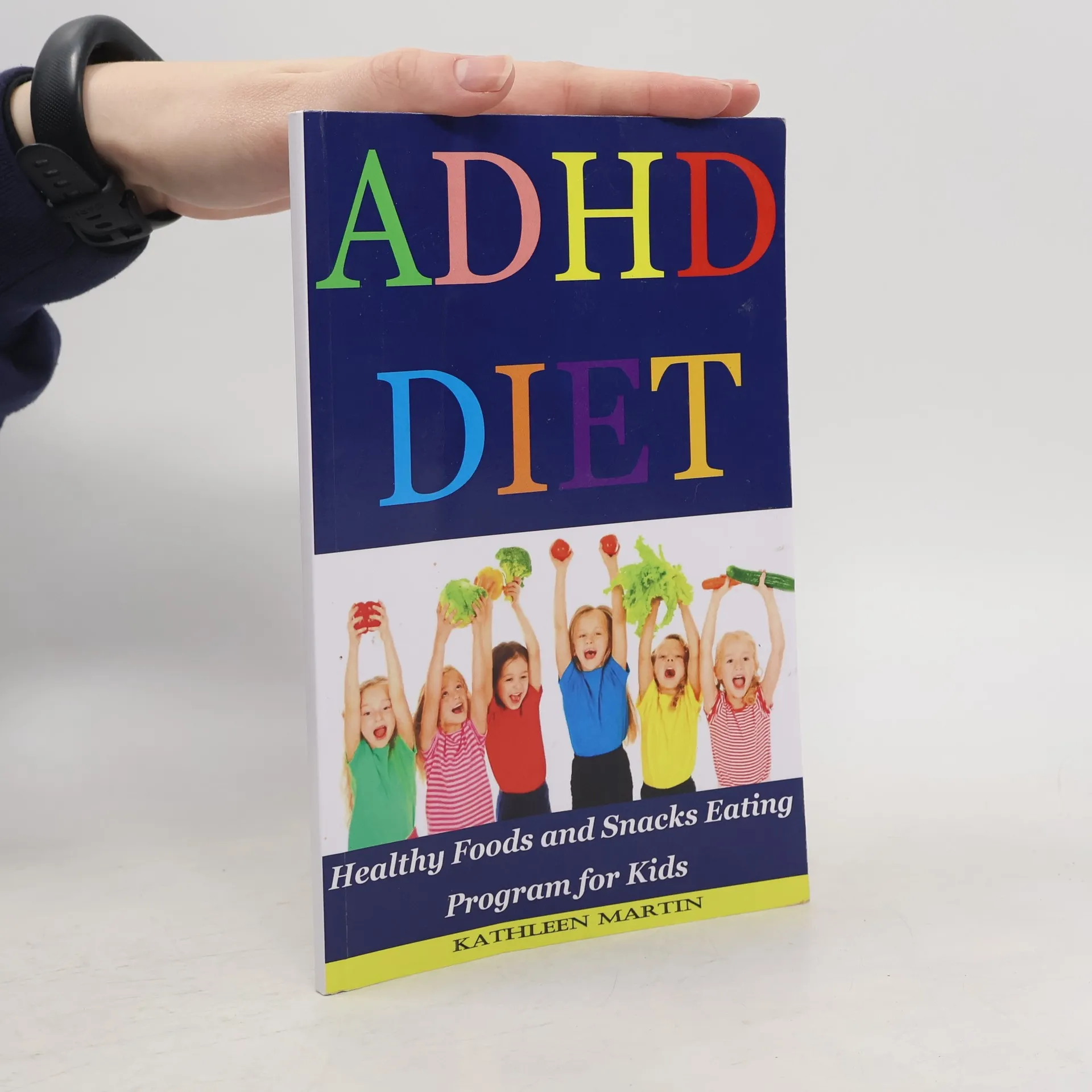
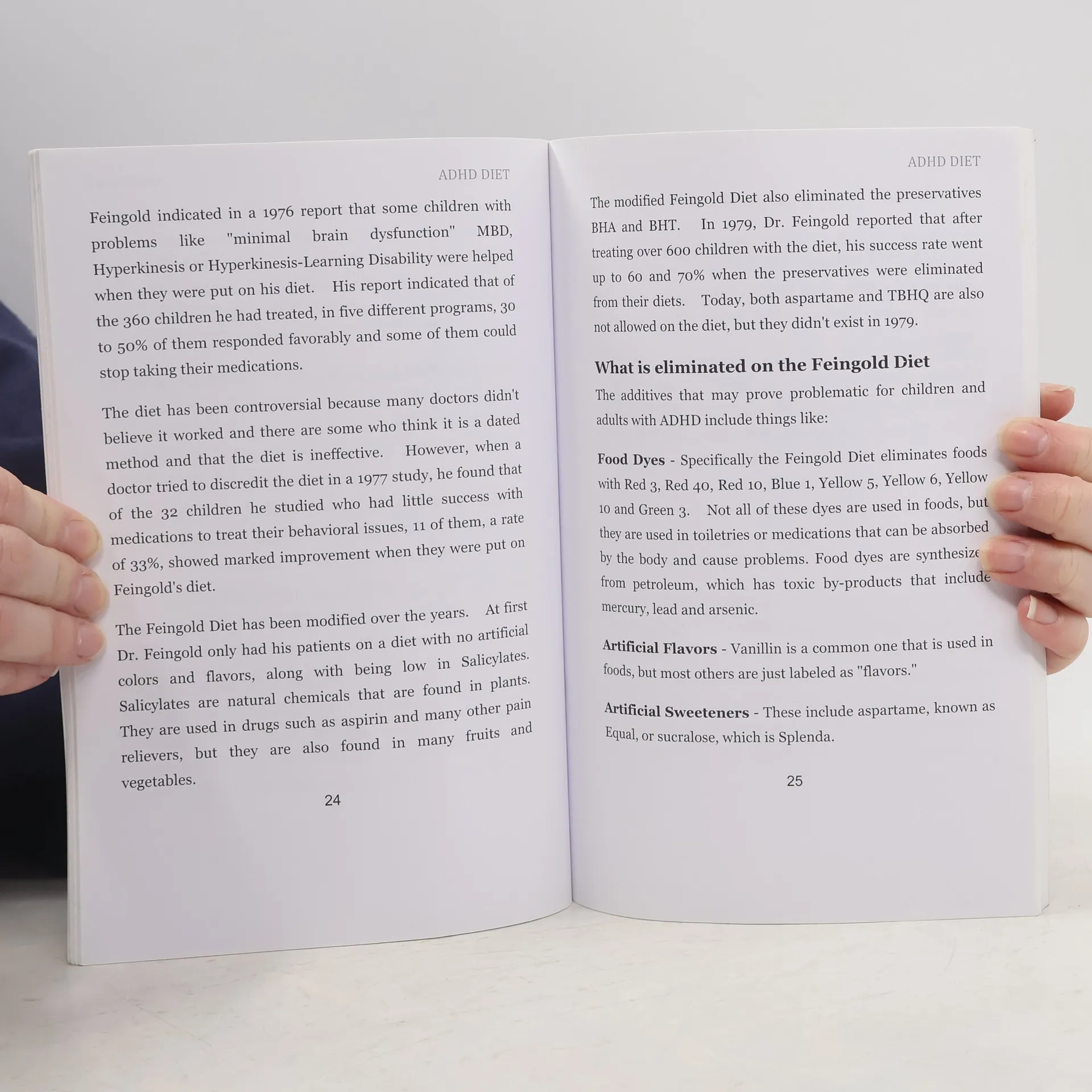
ADHD DIET is a comprehensive guide to understanding Attention Deficit Hyperactivity Disorder (ADHD), focusing on symptoms, diagnosis, and treatment options. While diet alone is not the primary cause of ADHD-related behavioral and intellectual challenges, some studies suggest that specific foods and additives may impact symptoms in certain children. Traditional research does not support extreme diets like the Feingold diet, which eliminates most processed foods and many fruits and vegetables, for the majority of ADHD cases. Identifying children who might benefit from restricted diets is also challenging. However, some parents and researchers are exploring whether modest dietary adjustments could enhance standard multimodal treatments, which typically include behavioral therapy, evidence-based psychotherapies, school support, medication, and parent education. This guide provides insights into dietary interventions that have garnered attention, offering delicious meal ideas for children with ADHD, identifying foods that may exacerbate symptoms, and highlighting nutritious options that support healthy development. Additionally, it discusses why dietary approaches may be preferable to medications like Adderall and Ritalin, and includes a bonus ADHD Assessment Form.
Zakup książki
ADHD Diet, Kathleen Martin
- Język

- Rok wydania
- 2016
- Oprawa
- (miękka)
Metody płatności
Nikt jeszcze nie ocenił.
- Tytuł
- ADHD Diet
- Podtytuł
- Healthy Foods and Snacks Eating Program for Kids
- Język
- angielski
- Autorzy
- Kathleen Martin
- Rok wydania
- 2016
- Oprawa
- miękka
- Liczba stron
- 78
- ISBN10
- 1539676064
- ISBN13
- 9781539676065
- Seria
- Kategorie
- Tagi
- Zdrowie & Medycyna, Zdrowie, Dzieci
- Opis
- ADHD DIET is a comprehensive guide to understanding Attention Deficit Hyperactivity Disorder (ADHD), focusing on symptoms, diagnosis, and treatment options. While diet alone is not the primary cause of ADHD-related behavioral and intellectual challenges, some studies suggest that specific foods and additives may impact symptoms in certain children. Traditional research does not support extreme diets like the Feingold diet, which eliminates most processed foods and many fruits and vegetables, for the majority of ADHD cases. Identifying children who might benefit from restricted diets is also challenging. However, some parents and researchers are exploring whether modest dietary adjustments could enhance standard multimodal treatments, which typically include behavioral therapy, evidence-based psychotherapies, school support, medication, and parent education. This guide provides insights into dietary interventions that have garnered attention, offering delicious meal ideas for children with ADHD, identifying foods that may exacerbate symptoms, and highlighting nutritious options that support healthy development. Additionally, it discusses why dietary approaches may be preferable to medications like Adderall and Ritalin, and includes a bonus ADHD Assessment Form.