

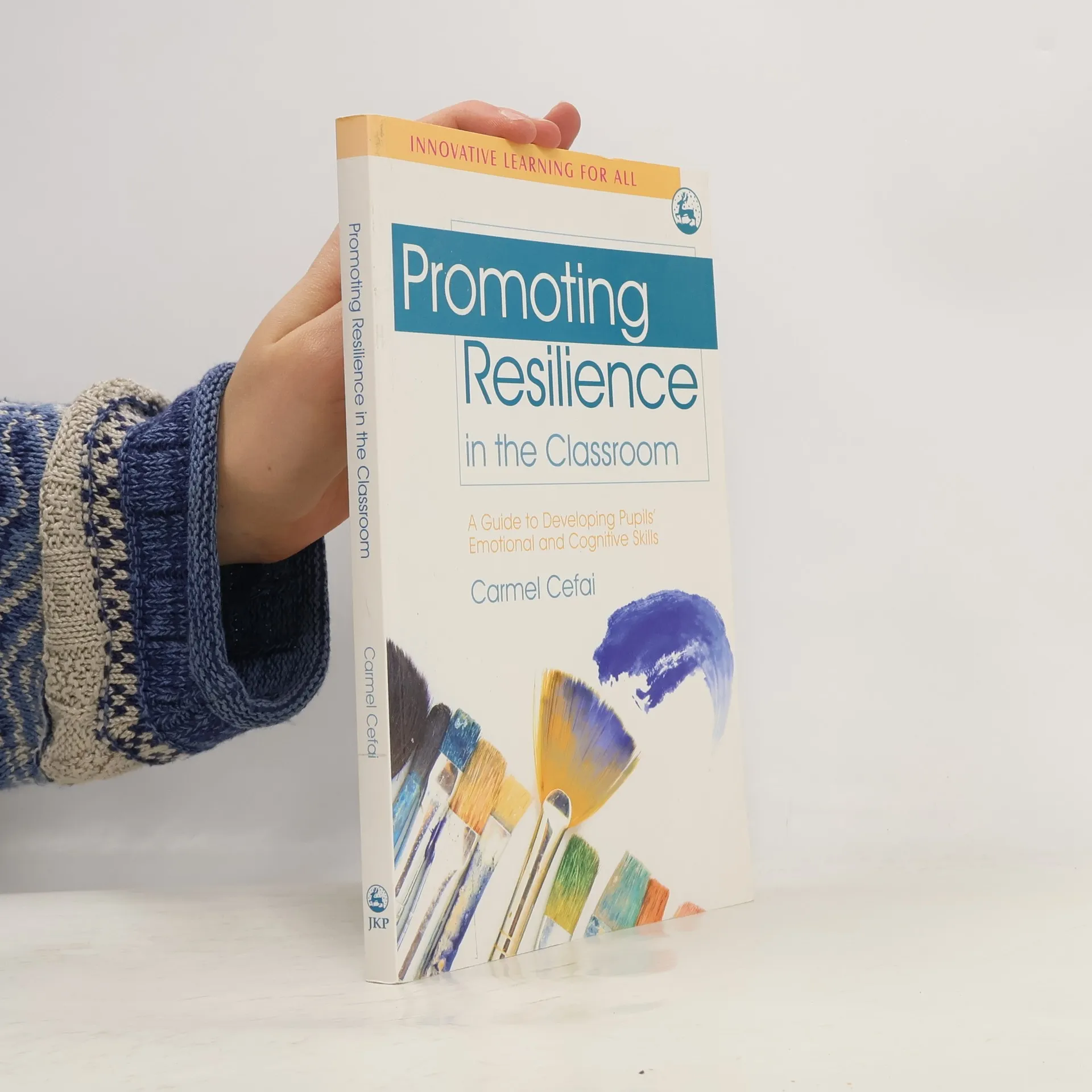
Innovative Learning for All: Promoting Resilience in the Classroom
A Guide to Developing Pupils' Emotional and Cognitive Skills
Autorzy
Ocena książki
Parametry
- 176 stron
- 7 godzin czytania
Więcej o książce
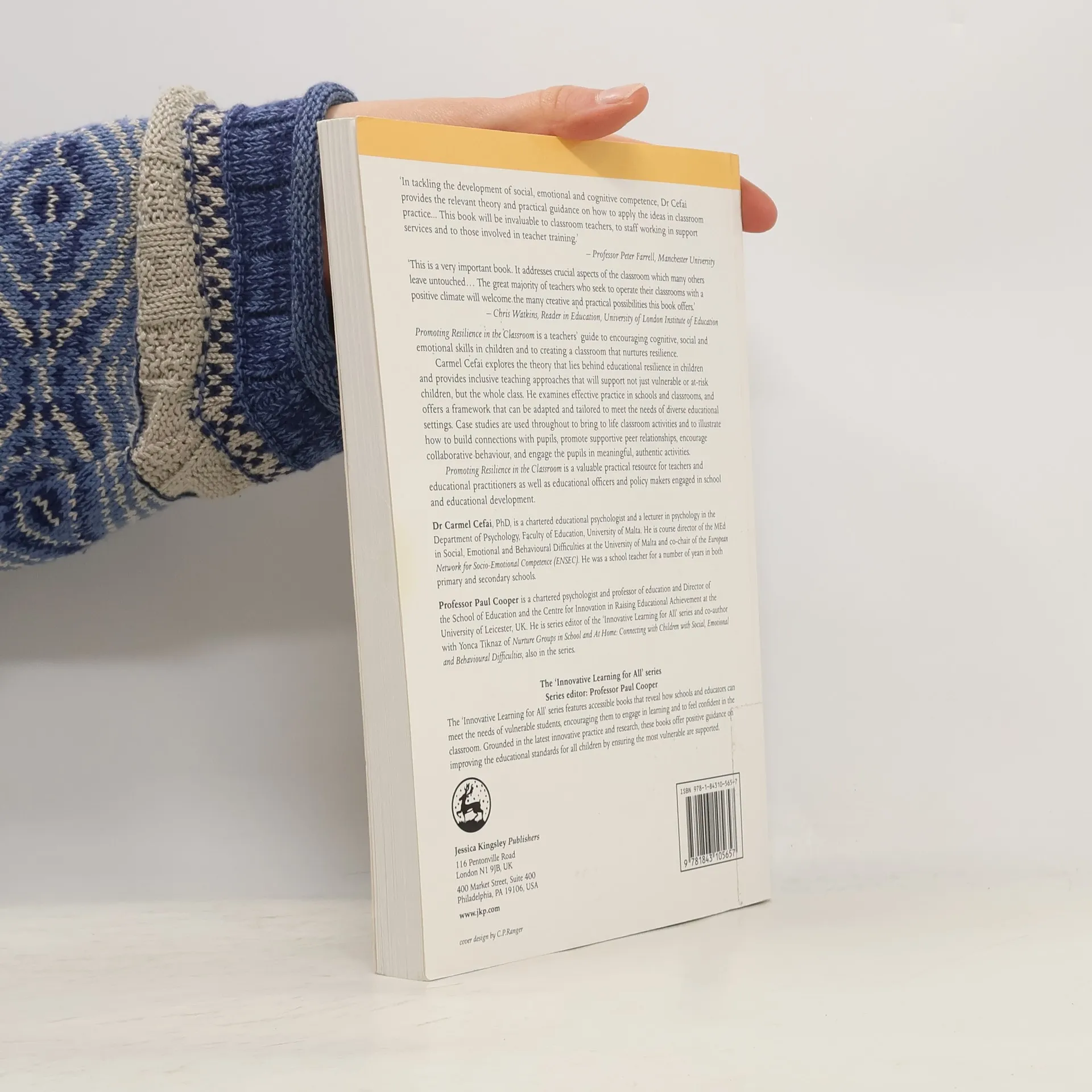
Resilience is a set of qualities that enable children to adapt and transform, to overcome risk and adversity, and to develop social competence, problem-solving skills, autonomy and a sense of purpose. For children and young people it is as vital to possess these qualities in school environments as in the family and the community at large. This handbook for teachers and educators explores ways of nurturing resilience in vulnerable students. It proposes a new, positive way of thinking about schools as institutions that can foster cognitive and socio-emotional competence in all students. Individual chapters examine effective practices in schools and classrooms, and assess a range of classroom processes, such as engagement, inclusion, collaboration and prosocial behaviour. The author makes use of case studies throughout to bring to life classroom activities and concrete strategies that will promote best practice for enhancing student resilience, and offers a framework that can be adapted to the existing nature, culture and needs of each individual school community and its members. Promoting Resilience in the Classroom is a valuable resource for educational practitioners as well as educational officers and policy makers engaged in school development and educational improvement.
Zakup książki
Innovative Learning for All: Promoting Resilience in the Classroom, Carmel Cefai
- Język

- Rok wydania
- 2008
- Oprawa
- (miękka)
Metody płatności
Brakuje nam tutaj Twojej recenzji.
- Tytuł
- Innovative Learning for All: Promoting Resilience in the Classroom
- Podtytuł
- A Guide to Developing Pupils' Emotional and Cognitive Skills
- Język
- angielski
- Autorzy
- Carmel Cefai
- Wydawca
- Jessica Kingsley Publishers
- Rok wydania
- 2008
- Oprawa
- miękka
- Liczba stron
- 176
- ISBN10
- 1843105659
- ISBN13
- 9781843105657
- Seria
- Tagi
- Rodzina, Dzieci, Edukacja & Szkolnictwo, Młodzież, Nauczyciele, Nastolatki, Psychologia edukacyjna, Społeczność, Edukacja specjalna, Case Studies, Inkluzja, Kolaboracja
- Ocena
- 5 z 5
- Opis
- Resilience is a set of qualities that enable children to adapt and transform, to overcome risk and adversity, and to develop social competence, problem-solving skills, autonomy and a sense of purpose. For children and young people it is as vital to possess these qualities in school environments as in the family and the community at large. This handbook for teachers and educators explores ways of nurturing resilience in vulnerable students. It proposes a new, positive way of thinking about schools as institutions that can foster cognitive and socio-emotional competence in all students. Individual chapters examine effective practices in schools and classrooms, and assess a range of classroom processes, such as engagement, inclusion, collaboration and prosocial behaviour. The author makes use of case studies throughout to bring to life classroom activities and concrete strategies that will promote best practice for enhancing student resilience, and offers a framework that can be adapted to the existing nature, culture and needs of each individual school community and its members. Promoting Resilience in the Classroom is a valuable resource for educational practitioners as well as educational officers and policy makers engaged in school development and educational improvement.