

Więcej o książce
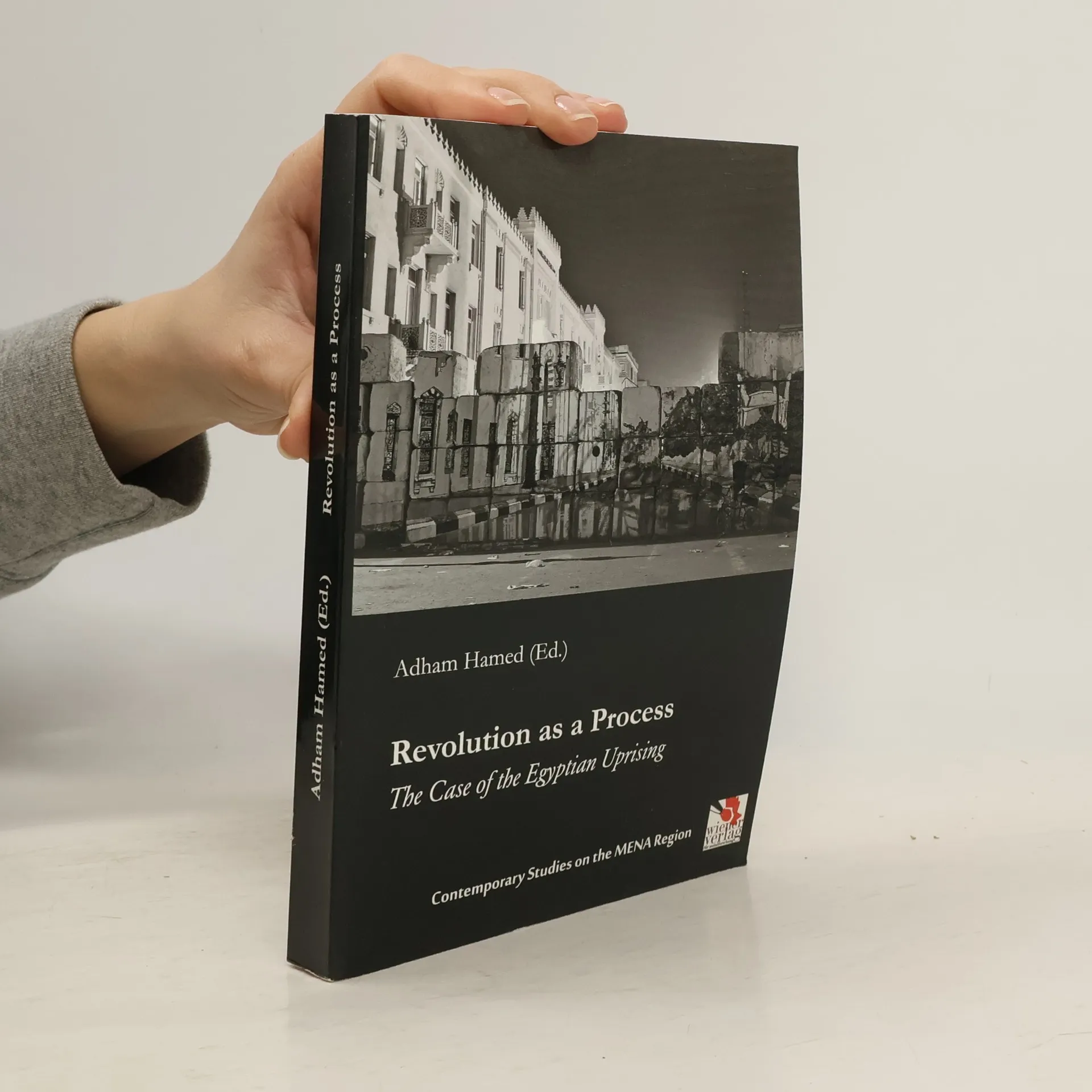
As Egyptian society faces extreme polarization, this book offers a significant contribution to discussions surrounding the Arab uprisings by integrating both theoretical and practitioner perspectives. The aim of this edited volume is not to create a singular narrative about the revolution, but to emphasize the diversity and complexity of viewpoints and theoretical frameworks. It features contributions from authors with varied academic and cultural backgrounds, representing both the Middle East and the Global North, to amplify their voices. This publication is intended for scholars in social sciences and peace and conflict research, as well as anyone seeking to better understand Egypt's political landscape. The text highlights the challenges of building a new society after rejecting a dictator or oppressive system, emphasizing that this endeavor requires sustained effort from dedicated generations. Rather than offering a master plan for a better future, it reflects on the starting point for the vibrant young generation and the obstacles they must navigate, along with the uncertainty surrounding social and political rewards. Adham Hamed, a Cairo-based peace and conflict researcher, focuses on transrational peace philosophy and elicitive conflict transformation, drawing from the Innsbruck School of Peace Studies.
Zakup książki
Revolution as a Process, Adham Hamed
- Język

- Rok wydania
- 2014
- Oprawa
- (miękka)
Metody płatności
Brakuje nam tutaj Twojej recenzji.
- Tytuł
- Revolution as a Process
- Podtytuł
- The Case of the Egyptian Uprising
- Język
- angielski
- Autorzy
- Adham Hamed
- Wydawca
- Europäischer Hochschulverlag
- Rok wydania
- 2014
- Oprawa
- miękka
- Liczba stron
- 389
- ISBN10
- 3944690257
- ISBN13
- 9783944690254
- Seria
- Ocena
- 5 z 5
- Opis
- As Egyptian society faces extreme polarization, this book offers a significant contribution to discussions surrounding the Arab uprisings by integrating both theoretical and practitioner perspectives. The aim of this edited volume is not to create a singular narrative about the revolution, but to emphasize the diversity and complexity of viewpoints and theoretical frameworks. It features contributions from authors with varied academic and cultural backgrounds, representing both the Middle East and the Global North, to amplify their voices. This publication is intended for scholars in social sciences and peace and conflict research, as well as anyone seeking to better understand Egypt's political landscape. The text highlights the challenges of building a new society after rejecting a dictator or oppressive system, emphasizing that this endeavor requires sustained effort from dedicated generations. Rather than offering a master plan for a better future, it reflects on the starting point for the vibrant young generation and the obstacles they must navigate, along with the uncertainty surrounding social and political rewards. Adham Hamed, a Cairo-based peace and conflict researcher, focuses on transrational peace philosophy and elicitive conflict transformation, drawing from the Innsbruck School of Peace Studies.