

Więcej o książce
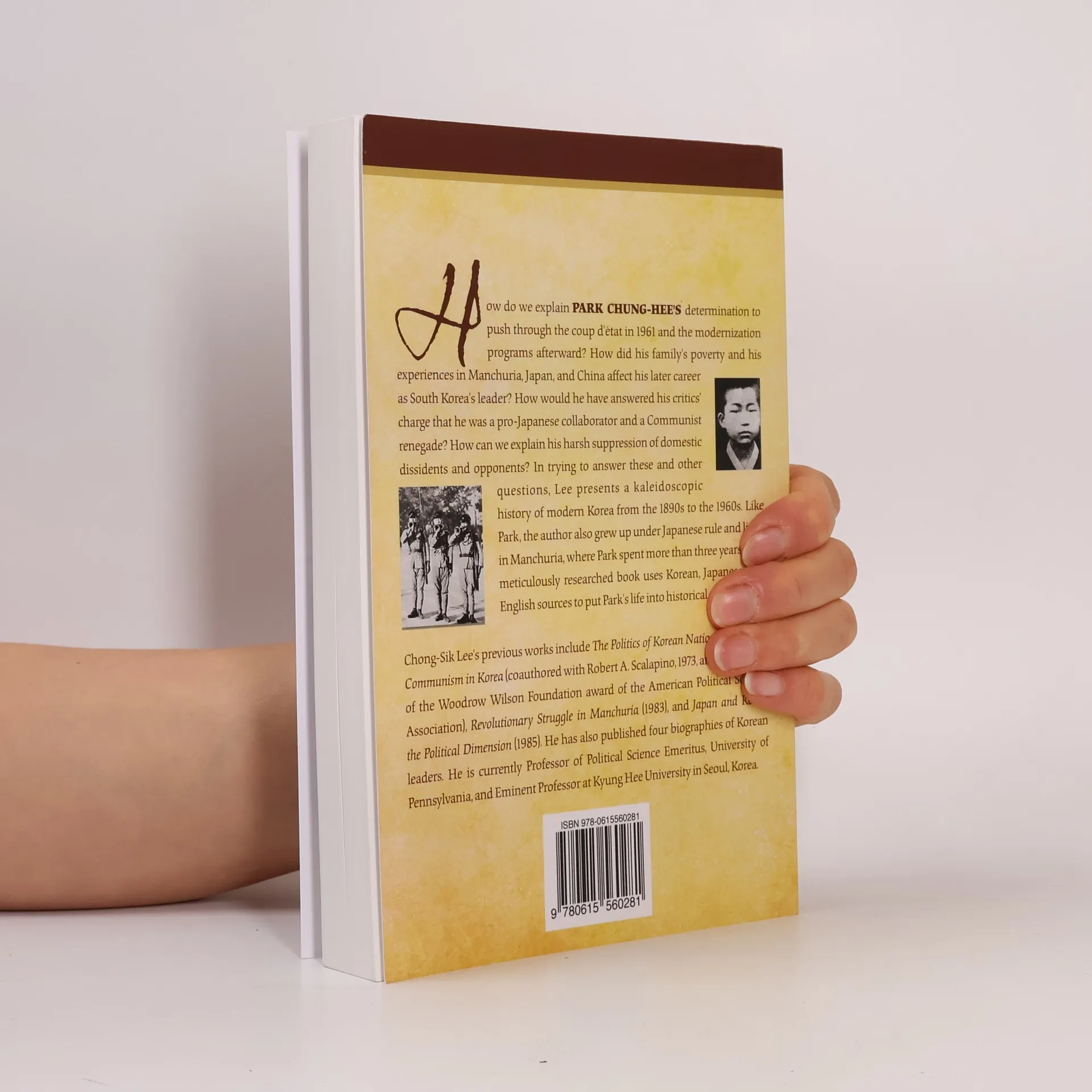
How do we explain Park Chung-Hee's determination to push through the coup d'etat in 1961 and the modernization programs afterward? How did his family's poverty and his experiences in Manchuria, Japan, and China affect his later career as South Korea's leader? How would he have answered his critics' charge that he was a pro-Japanese collaborator and a Communist renegade? How can we explain his harsh suppression of domestic dissidents and opponents? In trying to answer these and other questions, Lee presents a kaleidoscopic history of modern Korea from the 1890s to the 1960s. Like Park, the author also grew up under Japanese rule and lived in Manchuria, where Park spent more than three years. This meticulously researched book uses Korean, Japanese, and English sources to put Park's life into historical context.
Zakup książki
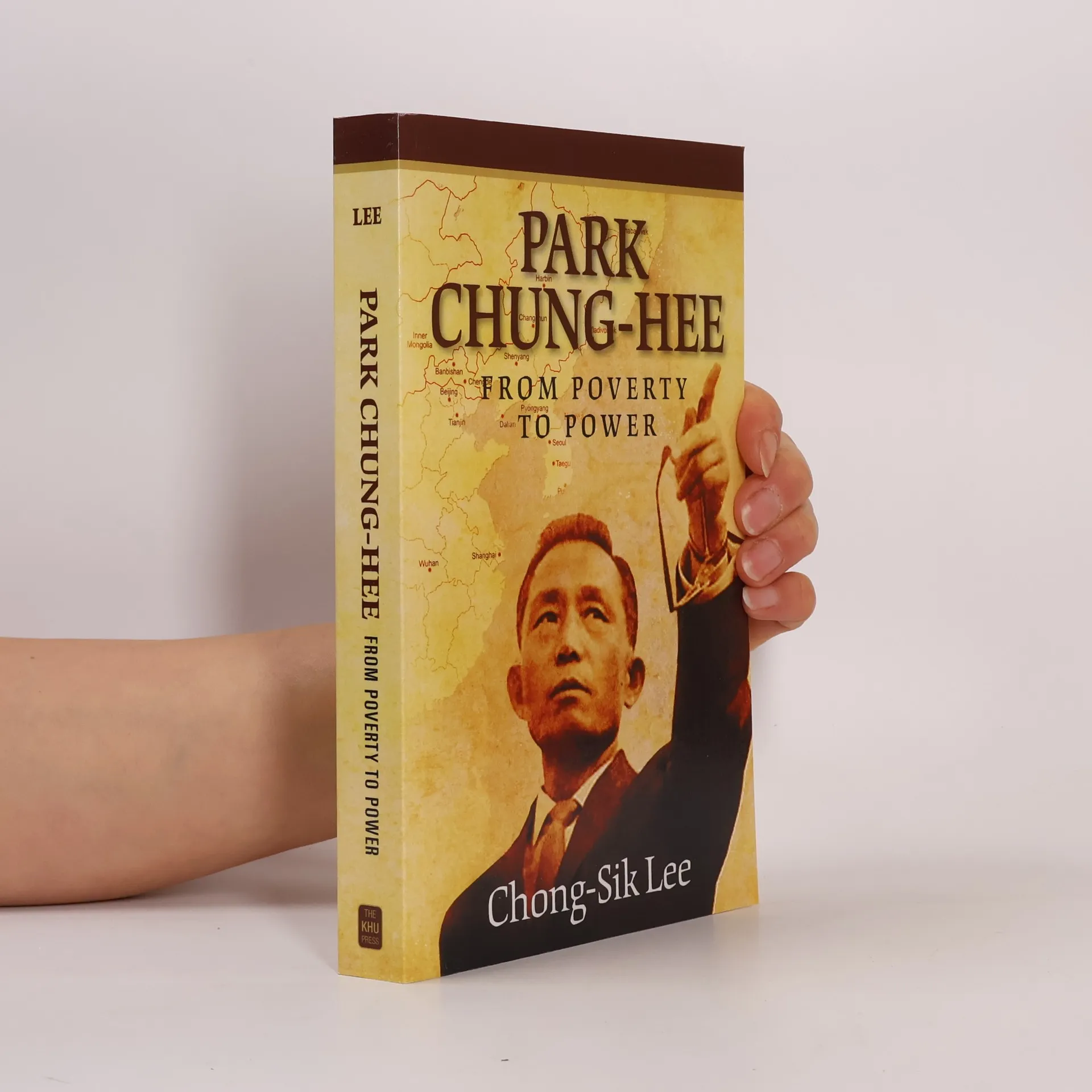
Park Chung-Hee, Chong-Sik Lee
- Język

- Rok wydania
- 2012
- Oprawa
- (miękka)
Metody płatności
Brakuje nam tutaj Twojej recenzji.
- Tytuł
- Park Chung-Hee
- Podtytuł
- From Poverty to Power
- Język
- angielski
- Autorzy
- Chong-Sik Lee
- Wydawca
- KHU Press
- Rok wydania
- 2012
- Oprawa
- miękka
- Liczba stron
- 390
- ISBN10
- 0615560288
- ISBN13
- 9780615560281
- Seria
- Ocena
- 3,55 z 5
- Opis
- How do we explain Park Chung-Hee's determination to push through the coup d'etat in 1961 and the modernization programs afterward? How did his family's poverty and his experiences in Manchuria, Japan, and China affect his later career as South Korea's leader? How would he have answered his critics' charge that he was a pro-Japanese collaborator and a Communist renegade? How can we explain his harsh suppression of domestic dissidents and opponents? In trying to answer these and other questions, Lee presents a kaleidoscopic history of modern Korea from the 1890s to the 1960s. Like Park, the author also grew up under Japanese rule and lived in Manchuria, where Park spent more than three years. This meticulously researched book uses Korean, Japanese, and English sources to put Park's life into historical context.