

Parametry
- 348 stron
- 13 godzin czytania
Więcej o książce
Regional integration, mass migration, and the rise of transnational organizations challenge traditional citizenship definitions. Rainer Baubock argues that citizenship rights must extend beyond nationality and state territory for liberal democracies to uphold their principles of inclusive membership and equal rights. This work combines theoretical discussions on citizenship rights with comparative policy analyses of naturalization and expatriation in liberal democracies. A key distinction is made between nominal citizenship, which pertains to legal membership status, and substantial citizenship, which addresses the distribution of basic rights within a state. The author identifies three areas where states can become more inclusive: naturalization processes, extending citizenship rights to non-citizens, and admitting immigrants. While Baubock views citizenship as membership in territorially defined states, he contends it should not be limited to the model of national communities. By examining the implications of accepting migrants as members of liberal democracies, Baubock significantly enhances our understanding of citizenship and migration rights. This innovative yet realistic work will resonate with political and sociological theorists, migration researchers, and legal experts focused on migration and naturalization issues.
Zakup książki
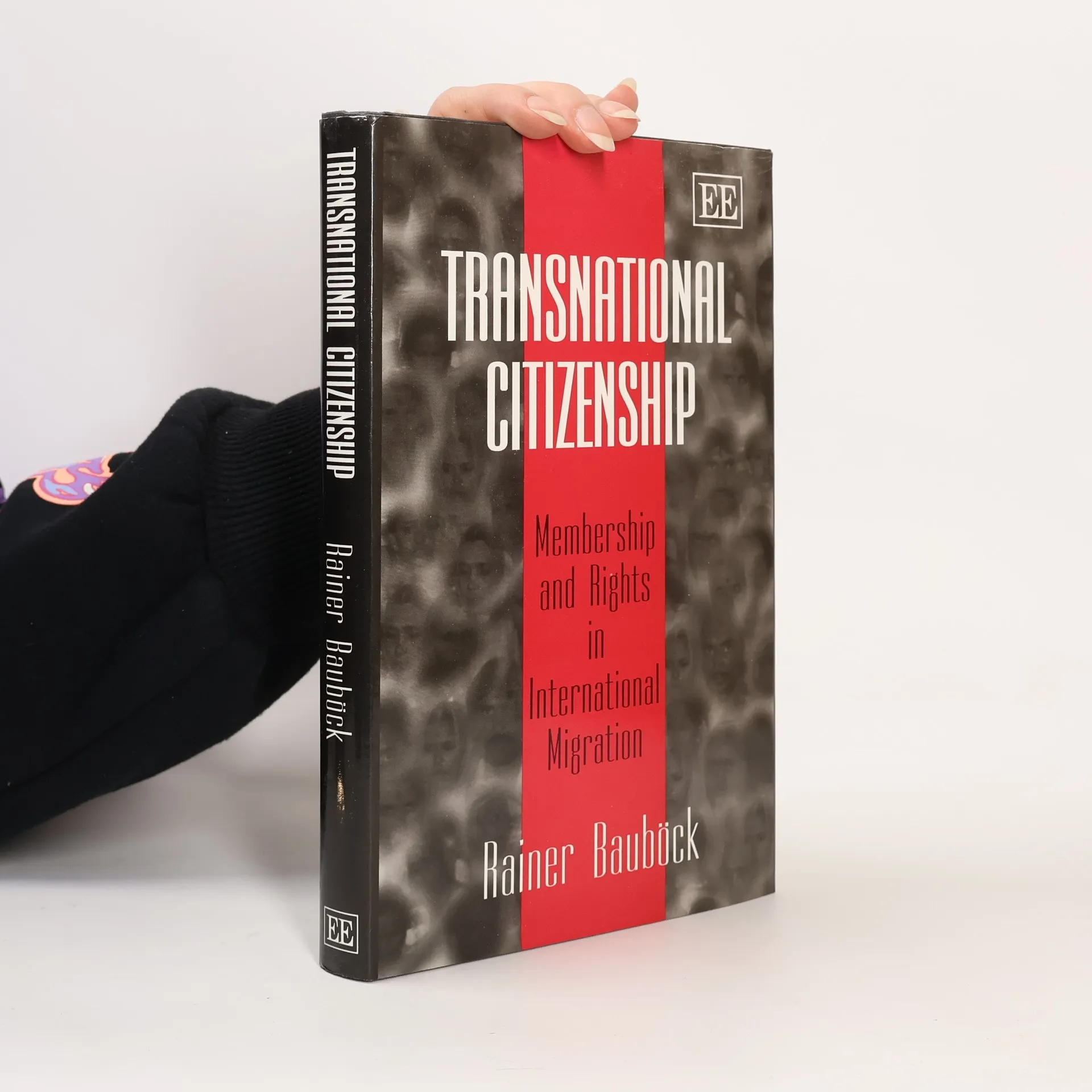
Transnational Citizenship, Rainer Bauböck
- Język

- Rok wydania
- 1994
- Oprawa
- (twarda)
Metody płatności
Brakuje nam tutaj Twojej recenzji.
- Tytuł
- Transnational Citizenship
- Podtytuł
- Membership and Rights in International Migration
- Język
- angielski
- Autorzy
- Rainer Bauböck
- Wydawca
- Edward Elgar Publishing
- Rok wydania
- 1994
- Oprawa
- twarda
- Liczba stron
- 348
- ISBN10
- 1852789425
- ISBN13
- 9781852789428
- Seria
- Kategorie
- Tagi
- Biznes, Tematy prawne, Polityka, Literatura fachowa, Społeczeństwo, Teorie polityczne, Obcy, Prawo międzynarodowe, Cudzoziemcy
- Ocena
- 2 z 5
- Opis
- Regional integration, mass migration, and the rise of transnational organizations challenge traditional citizenship definitions. Rainer Baubock argues that citizenship rights must extend beyond nationality and state territory for liberal democracies to uphold their principles of inclusive membership and equal rights. This work combines theoretical discussions on citizenship rights with comparative policy analyses of naturalization and expatriation in liberal democracies. A key distinction is made between nominal citizenship, which pertains to legal membership status, and substantial citizenship, which addresses the distribution of basic rights within a state. The author identifies three areas where states can become more inclusive: naturalization processes, extending citizenship rights to non-citizens, and admitting immigrants. While Baubock views citizenship as membership in territorially defined states, he contends it should not be limited to the model of national communities. By examining the implications of accepting migrants as members of liberal democracies, Baubock significantly enhances our understanding of citizenship and migration rights. This innovative yet realistic work will resonate with political and sociological theorists, migration researchers, and legal experts focused on migration and naturalization issues.