



Ocena książki
Parametry
- 440 stron
- 16 godzin czytania
Więcej o książce
This study presents a compelling argument that the economic shocks of the 1970s accelerated both the end of the Cold War and the rise of neoliberalism by compelling governments to impose austerity measures. It explores the peaceful conclusion of the Cold War and the global spread of neoliberal economics, linking these phenomena to the pressures of the 1970s. Initially, the Cold War was characterized by a competition between capitalist and communist regimes to enhance their social contracts and improve citizens' lives. However, the economic turmoil of the 1970s rendered these promises unsustainable on both sides of the Iron Curtain, forcing political leaders to abandon their commitments. The narrative illustrates how the necessity to break promises contributed to the Cold War's conclusion. In the West, neoliberalism equipped leaders like Ronald Reagan and Margaret Thatcher with the ideological framework to implement austerity, prioritize capital over labor, and shut down industries. Conversely, in Eastern Europe, figures like Lech Walesa resisted market discipline, while Mikhail Gorbachev's reform attempts ultimately proved too challenging for the Soviet system. As Soviet-style governments struggled with economic discipline that contradicted their ideals, their legitimacy suffered. In contrast, Western politicians framed austerity as a remedy against their ideological rivals, paving the way for the emergence of a neoliberal gl
Zakup książki
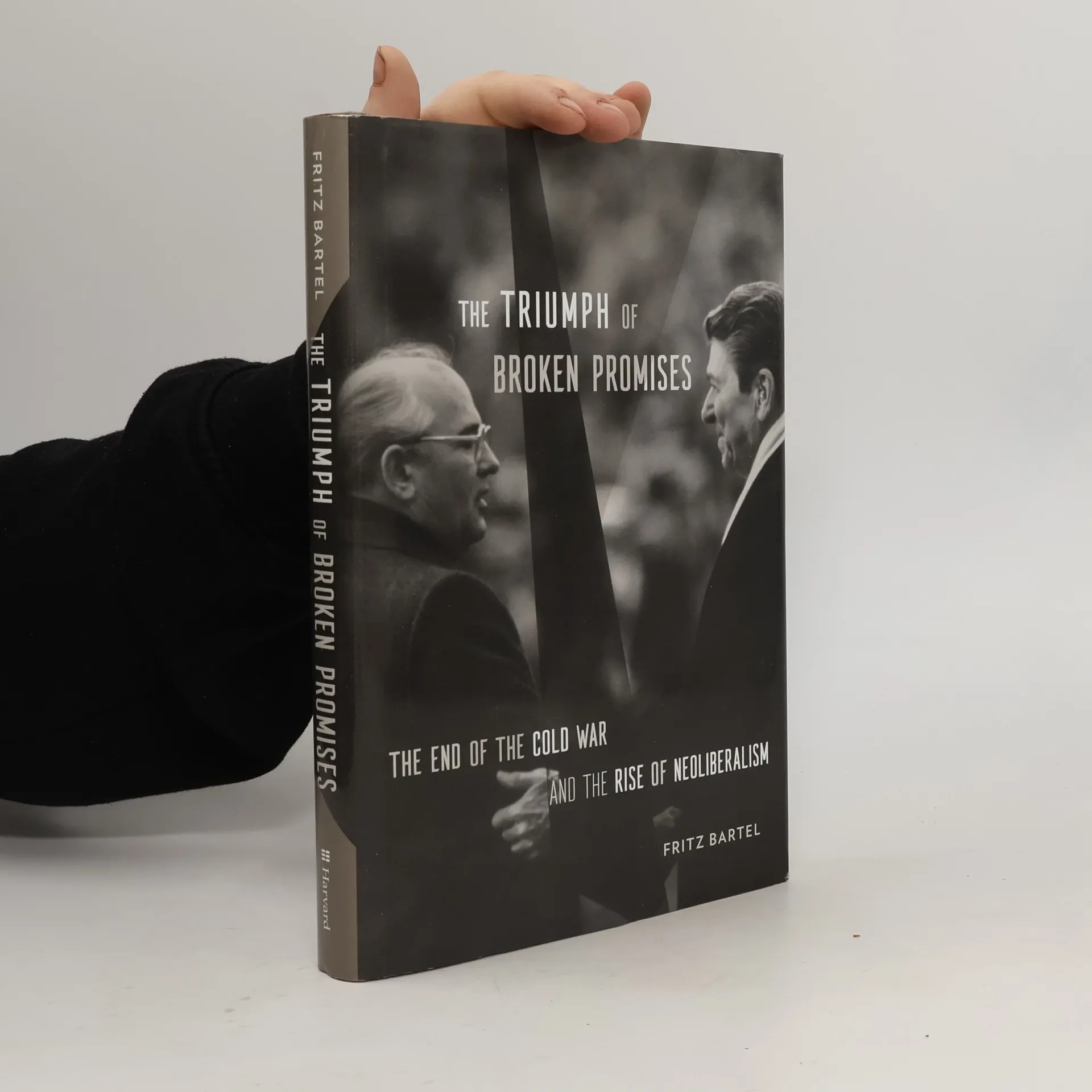
The Triumph of Broken Promises, Fritz Bartel
- Język

- Rok wydania
- 2022
- Oprawa
- (twarda)
Metody płatności
Brakuje nam tutaj Twojej recenzji.
- Tytuł
- The Triumph of Broken Promises
- Podtytuł
- The End of the Cold War and the Rise of Neoliberalism
- Język
- angielski
- Autorzy
- Fritz Bartel
- Wydawca
- Harvard University Press
- Rok wydania
- 2022
- Oprawa
- twarda
- Liczba stron
- 440
- ISBN10
- 0674976789
- ISBN13
- 9780674976788
- Seria
- Kategorie
- Tagi
- Tematy historyczne, Biznes, Polityka, USA, XX wiek, Europa, Wielka Brytania, Rosja, Historia Europy, Teorie polityczne, Stosunki międzynarodowe, Demokracja, Zimna wojna, Węgry, Historia gospodarcza, Kryzys, Dyplomacja, Bankowość, Bezrobocie, Robotnicy, Neoliberalizm, Broń jądrowa, Ropa, Mur Berliński, Perestrojka
- Ocena
- 4,35 z 5
- Opis
- This study presents a compelling argument that the economic shocks of the 1970s accelerated both the end of the Cold War and the rise of neoliberalism by compelling governments to impose austerity measures. It explores the peaceful conclusion of the Cold War and the global spread of neoliberal economics, linking these phenomena to the pressures of the 1970s. Initially, the Cold War was characterized by a competition between capitalist and communist regimes to enhance their social contracts and improve citizens' lives. However, the economic turmoil of the 1970s rendered these promises unsustainable on both sides of the Iron Curtain, forcing political leaders to abandon their commitments. The narrative illustrates how the necessity to break promises contributed to the Cold War's conclusion. In the West, neoliberalism equipped leaders like Ronald Reagan and Margaret Thatcher with the ideological framework to implement austerity, prioritize capital over labor, and shut down industries. Conversely, in Eastern Europe, figures like Lech Walesa resisted market discipline, while Mikhail Gorbachev's reform attempts ultimately proved too challenging for the Soviet system. As Soviet-style governments struggled with economic discipline that contradicted their ideals, their legitimacy suffered. In contrast, Western politicians framed austerity as a remedy against their ideological rivals, paving the way for the emergence of a neoliberal gl