

Parametry
- 320 stron
- 12 godzin czytania
Więcej o książce
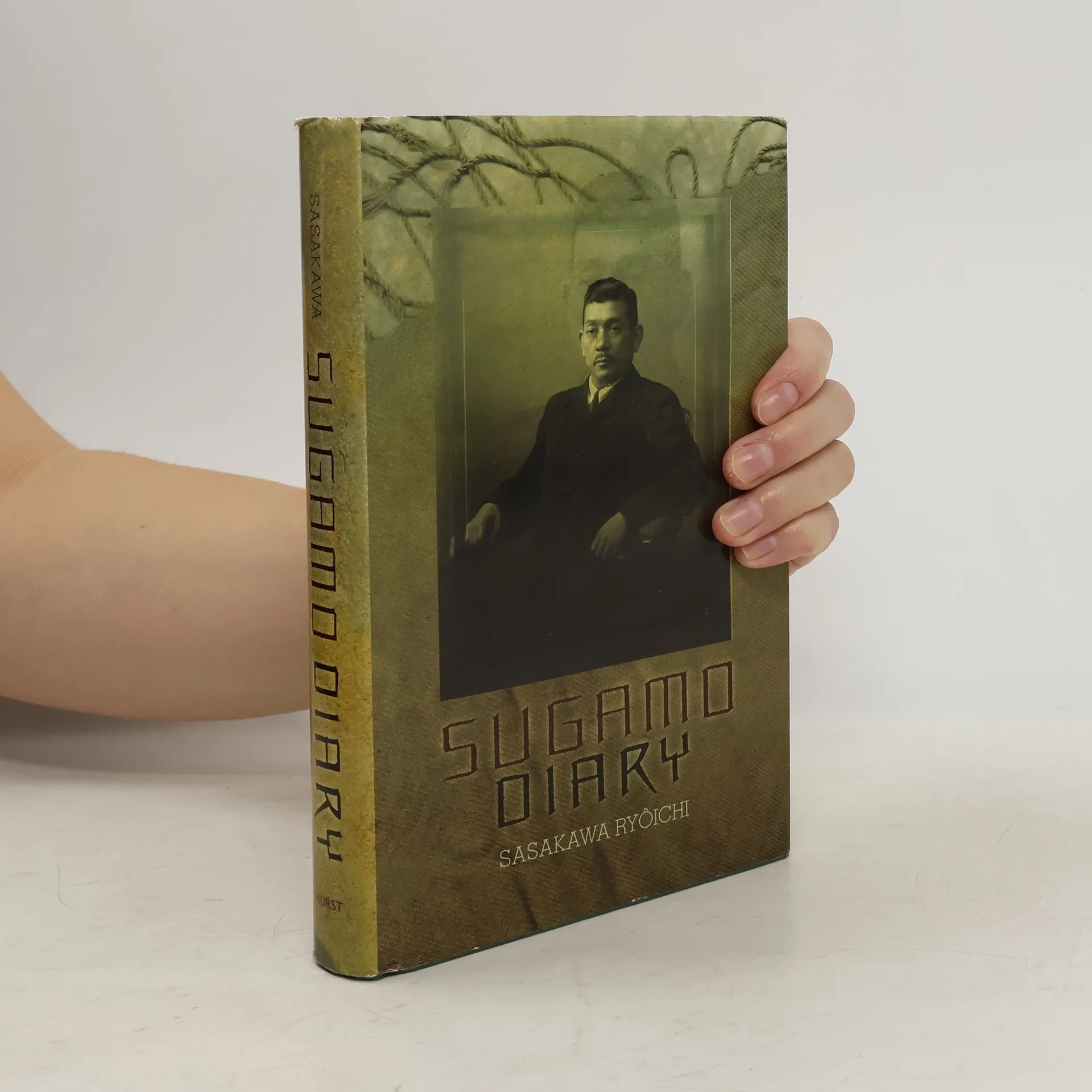
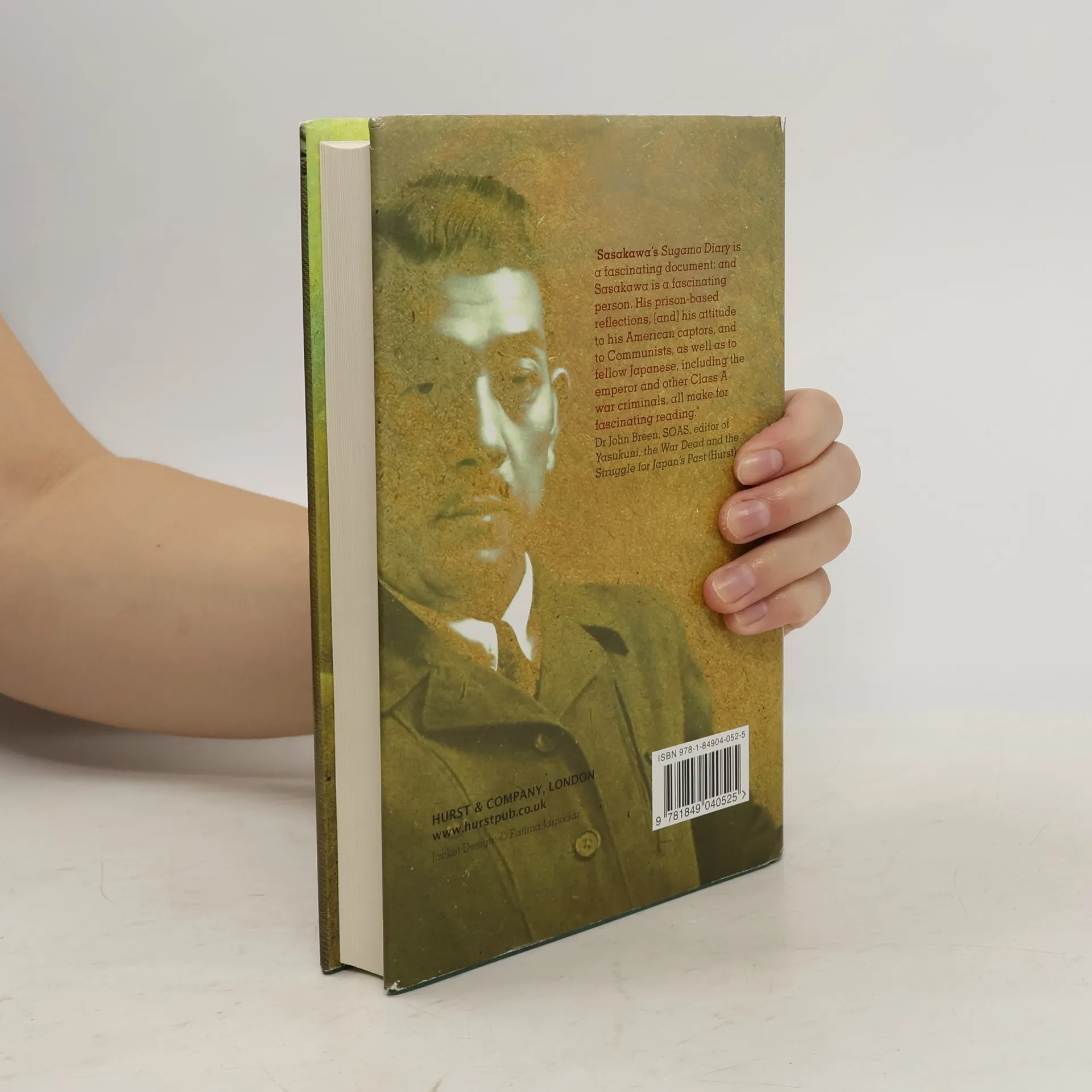
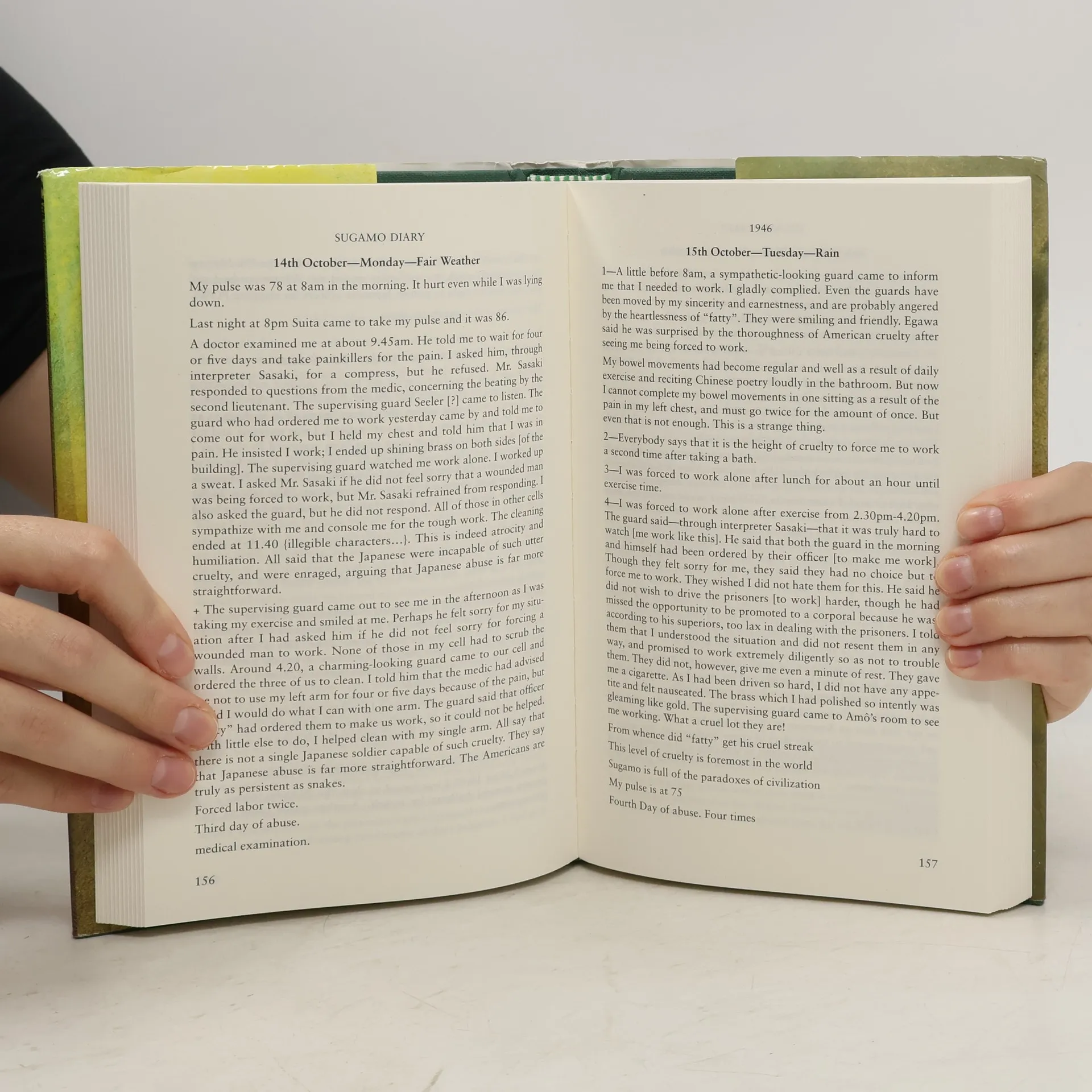
This astonishing diary and collection of letters were written by Ryoichi Sasakawa, a wealthy business tycoon, statesman, nationalist leader, philanthropist, and war crime suspect. He has been variously cast as a Japanese don, the last power broker, a political fixer, and a right-wing godfather. Sugamo Diary reveals a strikingly different image, one of a man who built his life firmly on his convictions, an ethical system that placed Japan at the centre. From 1945 to 1949, Sasakawa was imprisoned in Sugamo Prison with other Class A war criminals including Hideki Tojo. His path to imprisonment was uniquely dramatic, in that he actually volunteered to be indicted in order to protect the Emperor and nation of Japan from unreasonable and one-sided condemnation by victor's justice. What emerges from this diary and set of letters is Sasakawa's human face. At the same time readers will be surprised by his relentless criticism of the shameful prison behavior on the part of Japan's wartimeleaders. One cannot help but be struck by his criticisms of the Tokyo Court, his warnings against the dangers posed by post-war Japanese communism, and by his proposals for building friendly relations between Japan and the West including the United States.
Zakup książki
Sugamo Diary, Ryôichi Sasakawa, Ken Victor Leonard Hijino
- Język

- Rok wydania
- 2010
- Oprawa
- (twarda)
Metody płatności
Brakuje nam tutaj Twojej recenzji.
- Tytuł
- Sugamo Diary
- Język
- angielski
- Wydawca
- Hurst & Company
- Rok wydania
- 2010
- Oprawa
- twarda
- Liczba stron
- 320
- ISBN10
- 1849040524
- ISBN13
- 9781849040525
- Seria
- Kategorie
- Tagi
- Tematy historyczne, USA, II Wojna Światowa, Japonia, Azja, Teorie polityczne, Dzienniki, Listy, Korespondencja, Zbrodnie wojenne, Jeńcy wojenni
- Ocena
- 3 z 5
- Opis
- This astonishing diary and collection of letters were written by Ryoichi Sasakawa, a wealthy business tycoon, statesman, nationalist leader, philanthropist, and war crime suspect. He has been variously cast as a Japanese don, the last power broker, a political fixer, and a right-wing godfather. Sugamo Diary reveals a strikingly different image, one of a man who built his life firmly on his convictions, an ethical system that placed Japan at the centre. From 1945 to 1949, Sasakawa was imprisoned in Sugamo Prison with other Class A war criminals including Hideki Tojo. His path to imprisonment was uniquely dramatic, in that he actually volunteered to be indicted in order to protect the Emperor and nation of Japan from unreasonable and one-sided condemnation by victor's justice. What emerges from this diary and set of letters is Sasakawa's human face. At the same time readers will be surprised by his relentless criticism of the shameful prison behavior on the part of Japan's wartimeleaders. One cannot help but be struck by his criticisms of the Tokyo Court, his warnings against the dangers posed by post-war Japanese communism, and by his proposals for building friendly relations between Japan and the West including the United States.