

Ocena książki
Więcej o książce
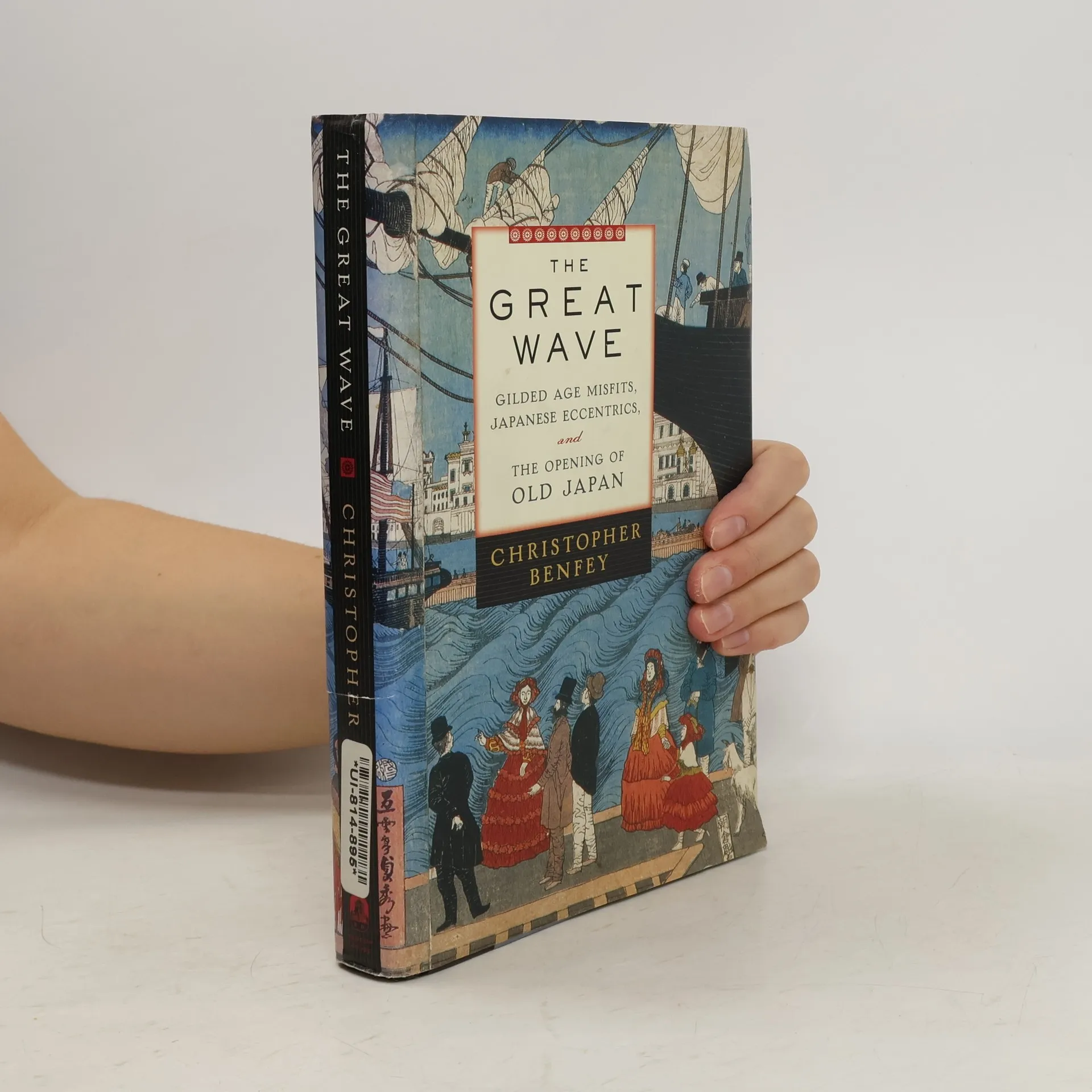
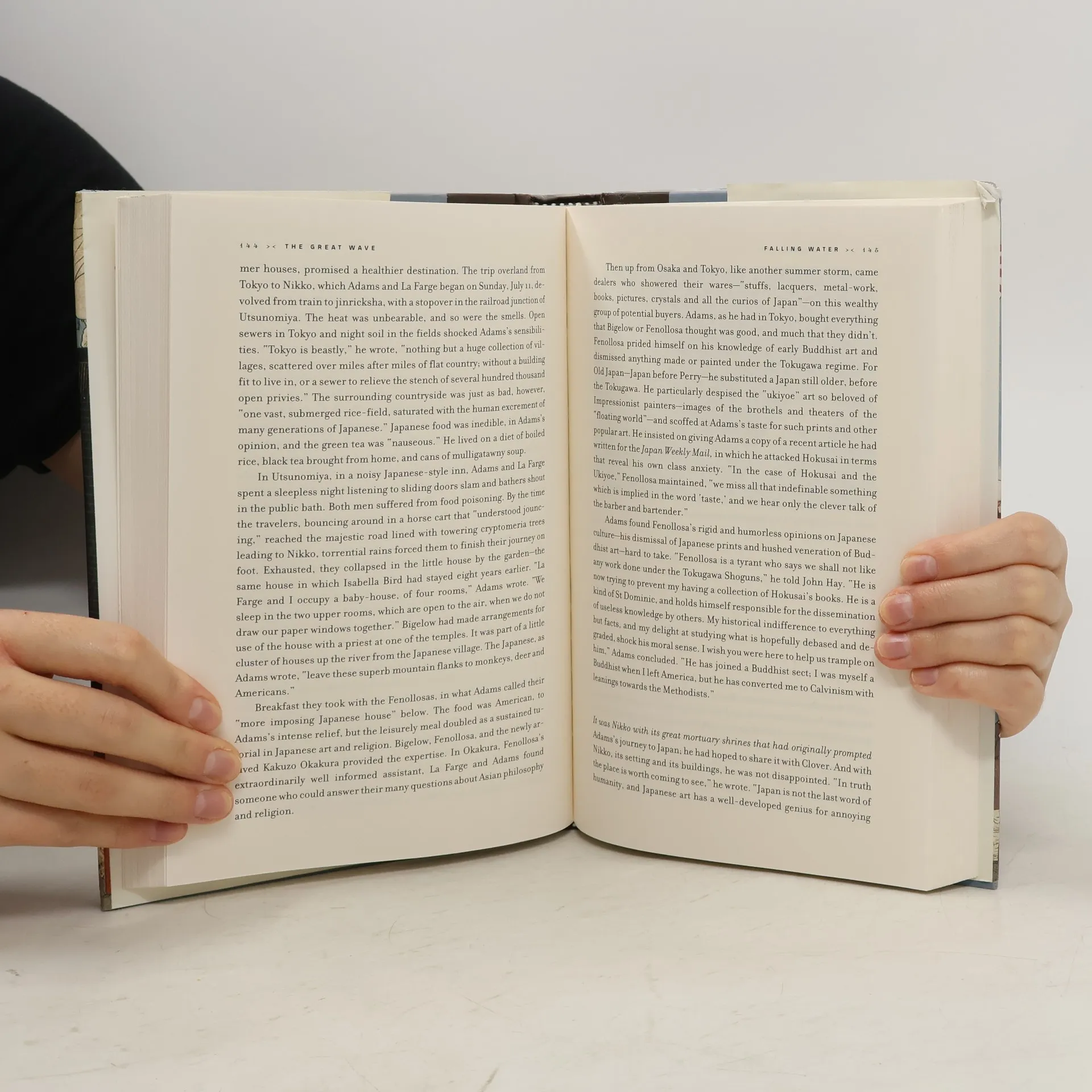
When the United States entered the Gilded Age after the Civil War the nation lost its philosophical moorings and looked eastward to "Old Japan," with its seemingly untouched indigenous culture, for balance and perspective. Japan, meanwhile, was trying to reinvent itself as a more cosmopolitan, modern state, ultimately transforming itself, in the course of twenty-five years, from a feudal backwater to an international power. This great wave of historical and cultural reciprocity between the two young nations, which intensified during the late 1800s, brought with it some larger-than-life personalities, as the lure of unknown foreign cultures prompted pilgrimages back and forth across the Pacific. In The great wave, Benfey tells the story of the tightly knit group of nineteenth-century travelers--connoisseurs, collectors, and scientists--who dedicated themselves to exploring and preserving Old Japan. These travelers include Herman Melville, Henry Adams, John La Farge, Lafcadio Hearn, Mabel Loomis Todd, Edward Sylvester Morse, Percival Lowell, and President Theodore Roosevelt. As well, we learn of famous Easterners come West, including Kakuzo Okakura and Shuzo Kuki.
Zakup książki
The Great Wave, Christopher E. G. Benfey
- Język

- Rok wydania
- 2003
- Oprawa
- (twarda)
Metody płatności
Brakuje nam tutaj Twojej recenzji.
- Tytuł
- The Great Wave
- Podtytuł
- Gilded Age Misfits, Japanese Eccentrics, and the Opening of Old Japan
- Język
- angielski
- Autorzy
- Christopher E. G. Benfey
- Wydawca
- Random House
- Rok wydania
- 2003
- Oprawa
- twarda
- Liczba stron
- 332
- ISBN10
- 0375503277
- ISBN13
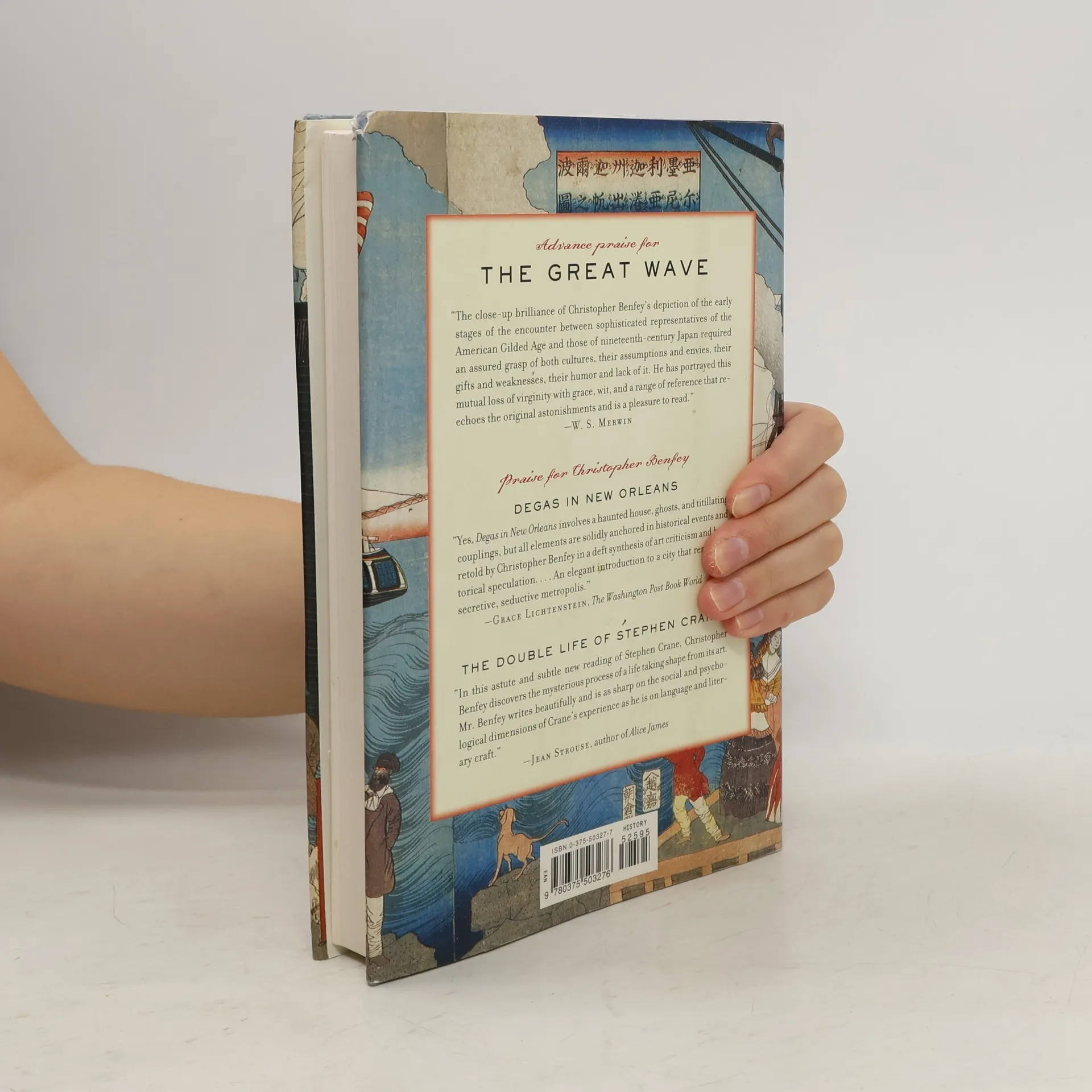
- 9780375503276
- Seria
- Tagi
- Sztuka, USA, XIX wiek, Japonia, Azja, Cywilizacja, Historia Japonii
- Ocena
- 3,75 z 5
- Opis
- When the United States entered the Gilded Age after the Civil War the nation lost its philosophical moorings and looked eastward to "Old Japan," with its seemingly untouched indigenous culture, for balance and perspective. Japan, meanwhile, was trying to reinvent itself as a more cosmopolitan, modern state, ultimately transforming itself, in the course of twenty-five years, from a feudal backwater to an international power. This great wave of historical and cultural reciprocity between the two young nations, which intensified during the late 1800s, brought with it some larger-than-life personalities, as the lure of unknown foreign cultures prompted pilgrimages back and forth across the Pacific. In The great wave, Benfey tells the story of the tightly knit group of nineteenth-century travelers--connoisseurs, collectors, and scientists--who dedicated themselves to exploring and preserving Old Japan. These travelers include Herman Melville, Henry Adams, John La Farge, Lafcadio Hearn, Mabel Loomis Todd, Edward Sylvester Morse, Percival Lowell, and President Theodore Roosevelt. As well, we learn of famous Easterners come West, including Kakuzo Okakura and Shuzo Kuki.