

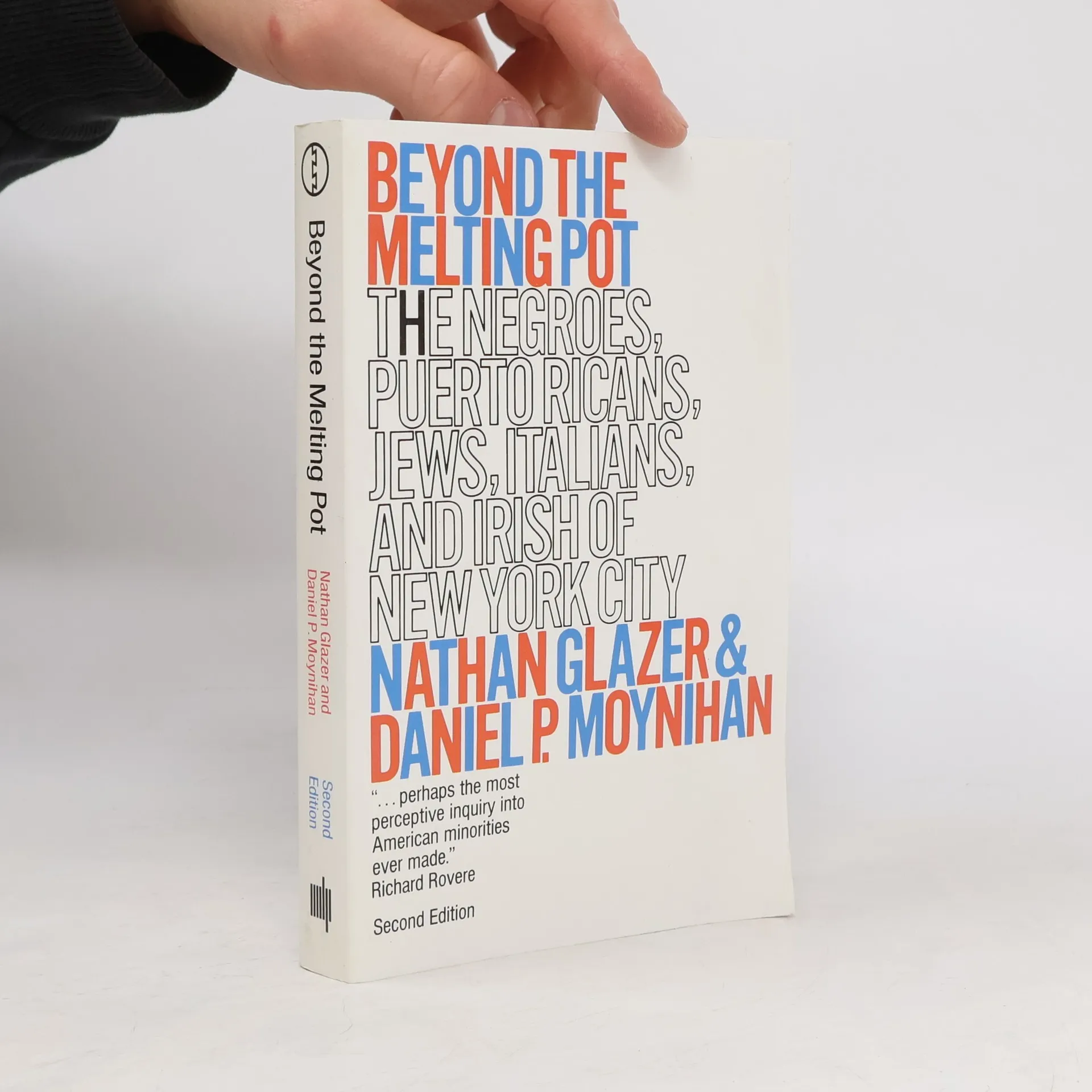
Beyond the Melting Pot
The Negroes, Puerto Ricans, Jews, Italians, and Irish of New York City - Second Edition
Ocena książki
Parametry
- 364 strony
- 13 godzin czytania
Więcej o książce
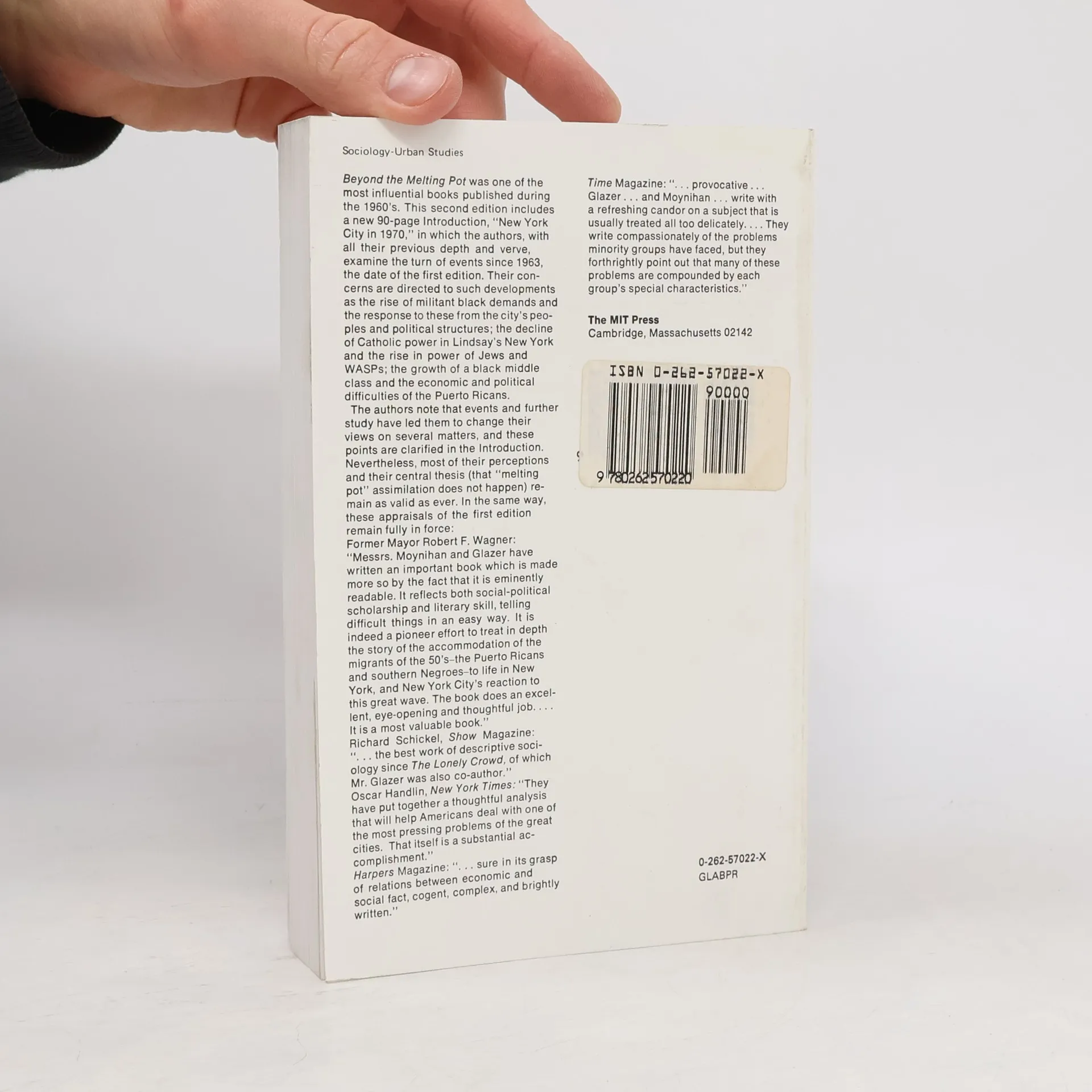
This influential work from the 1960s is presented in a second edition that features a new 90-page Introduction, "New York City in 1960." The authors revisit events since the first edition in 1963, focusing on the rise of militant black demands and the responses from the city's diverse communities and political structures. They discuss the decline of Catholic influence in Lindsay's New York and the increasing power of Jews and WASPs, as well as the emergence of a black middle class and the challenges faced by Puerto Ricans. The authors acknowledge that further events and studies have prompted them to revise some views, which they clarify in the Introduction. However, their central thesis—that "melting pot" assimilation does not occur—remains intact. The initial appraisals of the first edition continue to resonate, with Richard H. Rovere from The New Yorker calling it "perhaps the most perceptive inquiry into American minorities ever made." Oscar Handlin from the New York Times commends the thoughtful analysis that addresses pressing urban issues, while Harpers Magazine praises its grasp of economic and social relations. Time Magazine highlights the authors' candid approach to discussing the complexities faced by minority groups, acknowledging both their struggles and unique characteristics.
Zakup książki
Beyond the Melting Pot, Nathan Glazer, Daniel P. Moynihan
- Język

- Rok wydania
- 1970
- Oprawa
- (miękka)
Metody płatności
Brakuje nam tutaj Twojej recenzji.
- Tytuł
- Beyond the Melting Pot
- Podtytuł
- The Negroes, Puerto Ricans, Jews, Italians, and Irish of New York City - Second Edition
- Język
- angielski
- Autorzy
- Nathan Glazer, Daniel P. Moynihan
- Wydawca
- MIT Press
- Rok wydania
- 1970
- Oprawa
- miękka
- Liczba stron
- 364
- ISBN10
- 026257022X
- ISBN13
- 9780262570220
- Seria
- Tagi
- Tematy historyczne, Polityka, USA, Literatura amerykańska, Nowy Jork, Rasa & Rasizm, Imigranci, Etniczność, Mniejszości
- Ocena
- 3,55 z 5
- Opis
- This influential work from the 1960s is presented in a second edition that features a new 90-page Introduction, "New York City in 1960." The authors revisit events since the first edition in 1963, focusing on the rise of militant black demands and the responses from the city's diverse communities and political structures. They discuss the decline of Catholic influence in Lindsay's New York and the increasing power of Jews and WASPs, as well as the emergence of a black middle class and the challenges faced by Puerto Ricans. The authors acknowledge that further events and studies have prompted them to revise some views, which they clarify in the Introduction. However, their central thesis—that "melting pot" assimilation does not occur—remains intact. The initial appraisals of the first edition continue to resonate, with Richard H. Rovere from The New Yorker calling it "perhaps the most perceptive inquiry into American minorities ever made." Oscar Handlin from the New York Times commends the thoughtful analysis that addresses pressing urban issues, while Harpers Magazine praises its grasp of economic and social relations. Time Magazine highlights the authors' candid approach to discussing the complexities faced by minority groups, acknowledging both their struggles and unique characteristics.