

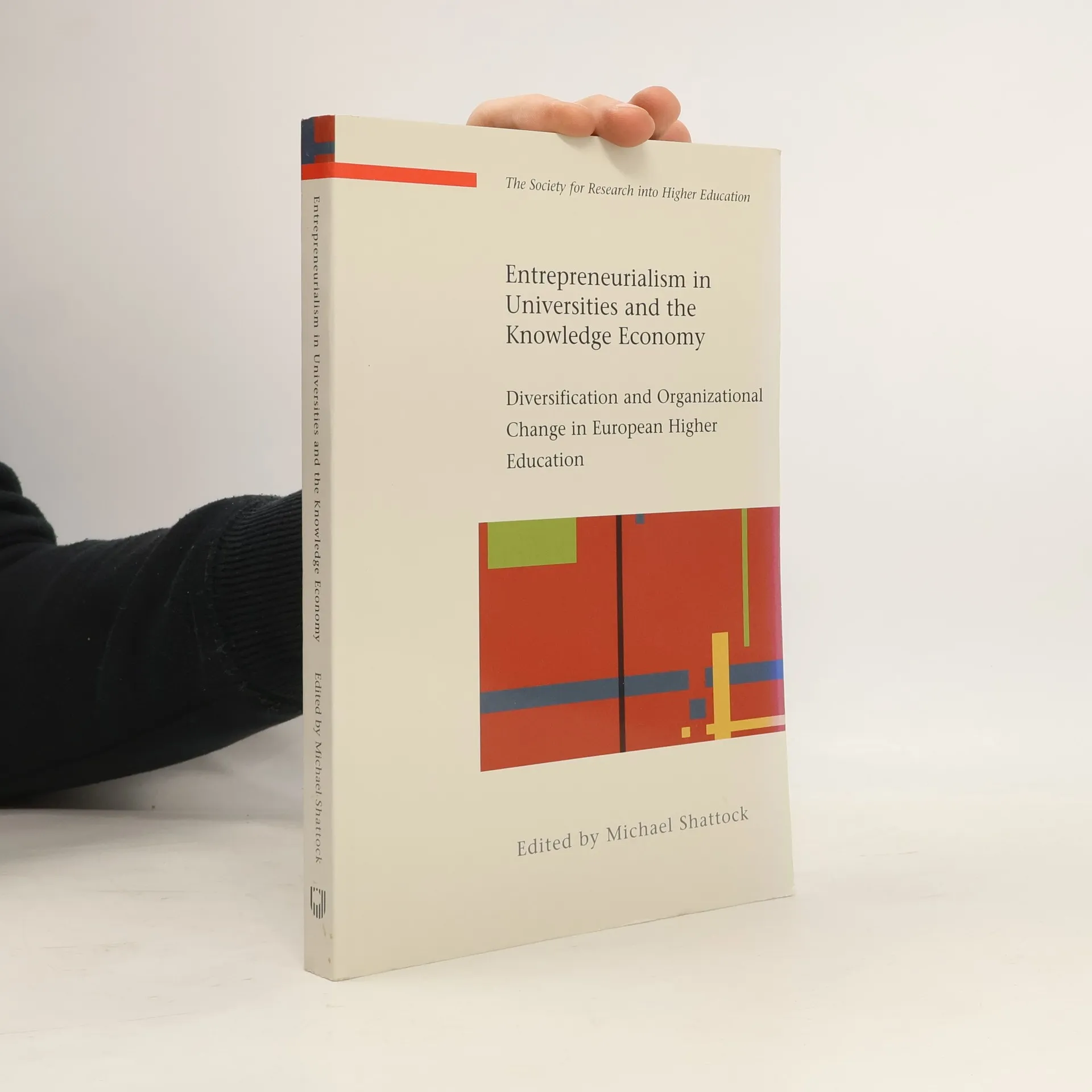
Entrepreneurialism in Universities and the Knowledge Economy
Diversification and Organisational Change in European Higher Education
Autorzy
Ocena książki
Więcej o książce
How entrepreneurial are European universities? Perhaps more than is generally realised. What are the factors that encourage entrepreneurialism to flourish in research, technology transfer, teaching, regional engagement and internationalization? How do different kinds of HEIs -, comprehensive, specialist, regional or private -, address these issues? What are the conditions which stimulate or inhibit the "academic entrepreneur"? And in what forms does entrepreneurialism contribute to the knowledge economy? This book, which is the product of a major EU funded research programme and is based on twenty-seven institutional case studies, attempts to offer answers to these questions through a series of cross national thematic studies. It considers how national systemic characteristics in financial arrangements, human resource management and institutional governance impact on entrepreneurialism and suggests ways in which individual initiative can be released and universities freed up to make their contribution to the EU Lisbon Strategy.
Zakup książki
Entrepreneurialism in Universities and the Knowledge Economy, Michael Shattock
- Język

- Rok wydania
- 2008
- Oprawa
- (miękka)
Metody płatności
Brakuje nam tutaj Twojej recenzji.
- Tytuł
- Entrepreneurialism in Universities and the Knowledge Economy
- Podtytuł
- Diversification and Organisational Change in European Higher Education
- Język
- angielski
- Autorzy
- Michael Shattock
- Wydawca
- Open University Press
- Rok wydania
- 2008
- Oprawa
- miękka
- Liczba stron
- 256
- ISBN10
- 0335235719
- ISBN13
- 9780335235711
- Seria
- Ocena
- 4 z 5
- Opis
- How entrepreneurial are European universities? Perhaps more than is generally realised. What are the factors that encourage entrepreneurialism to flourish in research, technology transfer, teaching, regional engagement and internationalization? How do different kinds of HEIs -, comprehensive, specialist, regional or private -, address these issues? What are the conditions which stimulate or inhibit the "academic entrepreneur"? And in what forms does entrepreneurialism contribute to the knowledge economy? This book, which is the product of a major EU funded research programme and is based on twenty-seven institutional case studies, attempts to offer answers to these questions through a series of cross national thematic studies. It considers how national systemic characteristics in financial arrangements, human resource management and institutional governance impact on entrepreneurialism and suggests ways in which individual initiative can be released and universities freed up to make their contribution to the EU Lisbon Strategy.