

Więcej o książce
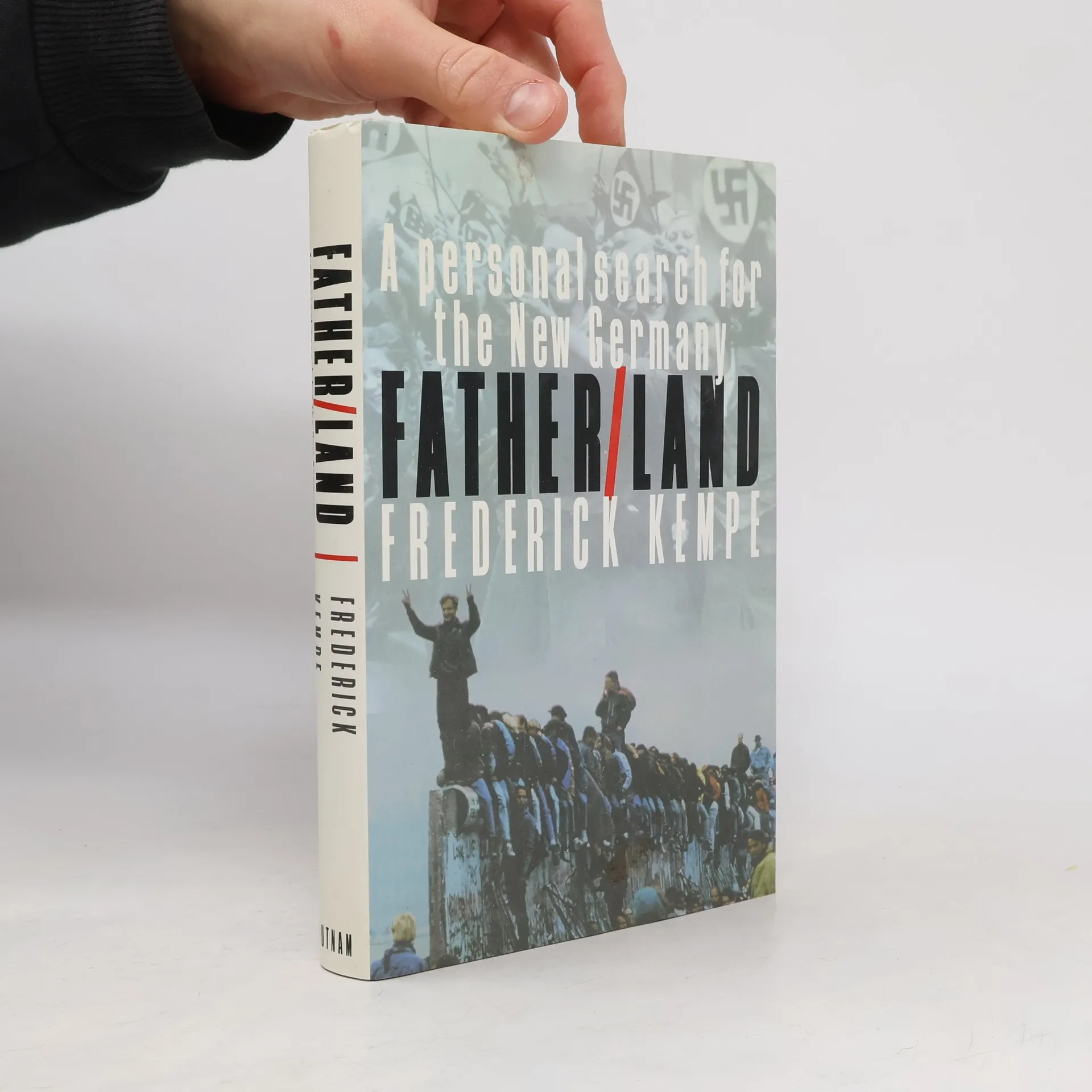
For decades as a foreign correspondent, first for Newsweek, and then for The Wall Street Journal, Frederick Kempe felt more comfortable writing about Poland, Israel, the Soviet Union, or Panama than the Germany from which he was only one generation removed. Germany was his father's land, his father's identity, not his. But then a reunified Germany emerged as Europe's dominant force, and it became very important to know: Was the nation ready? Could it escape the ghosts of the past? To find out, Kempe, traveled across the country, talking to students, teachers, pensioners, emigres, soldiers, professionals, Holocaust survivors, cutting-edge diplomats, rural pastors, "normal Germans," and the radical fringe. At the same time, he began to explore his own German roots, to seek out the family members and documents that would illuminate his own soul. The result, in Father/Land, is a work of observation, insight and commentary, a provocative book that will become required reading for anyone seeking to understand modern Germany. And it is something more. For in researching the past, Kempe discovered that the ghosts were not limited to others, that the contradictory threads of good and evil wove through his own family as well. After years of denying his Germanness, he would have to confront it at last.
Zakup książki
Father/land, Frederick Kempe
- Język

- Rok wydania
- 1999
- Oprawa
- (miękka)
Metody płatności
Brakuje nam tutaj Twojej recenzji.
- Tytuł
- Father/land
- Język
- angielski
- Autorzy
- Frederick Kempe
- Wydawca
- G.P. Putnam's Sons
- Rok wydania
- 1999
- Oprawa
- miękka
- Liczba stron
- 339
- ISBN10
- 0399144978
- ISBN13
- 9780399144974
- Seria
- Kategorie
- Ocena
- 3,9 z 5
- Opis
- For decades as a foreign correspondent, first for Newsweek, and then for The Wall Street Journal, Frederick Kempe felt more comfortable writing about Poland, Israel, the Soviet Union, or Panama than the Germany from which he was only one generation removed. Germany was his father's land, his father's identity, not his. But then a reunified Germany emerged as Europe's dominant force, and it became very important to know: Was the nation ready? Could it escape the ghosts of the past? To find out, Kempe, traveled across the country, talking to students, teachers, pensioners, emigres, soldiers, professionals, Holocaust survivors, cutting-edge diplomats, rural pastors, "normal Germans," and the radical fringe. At the same time, he began to explore his own German roots, to seek out the family members and documents that would illuminate his own soul. The result, in Father/Land, is a work of observation, insight and commentary, a provocative book that will become required reading for anyone seeking to understand modern Germany. And it is something more. For in researching the past, Kempe discovered that the ghosts were not limited to others, that the contradictory threads of good and evil wove through his own family as well. After years of denying his Germanness, he would have to confront it at last.