

Parametry
- 224 strony
- 8 godzin czytania
Więcej o książce
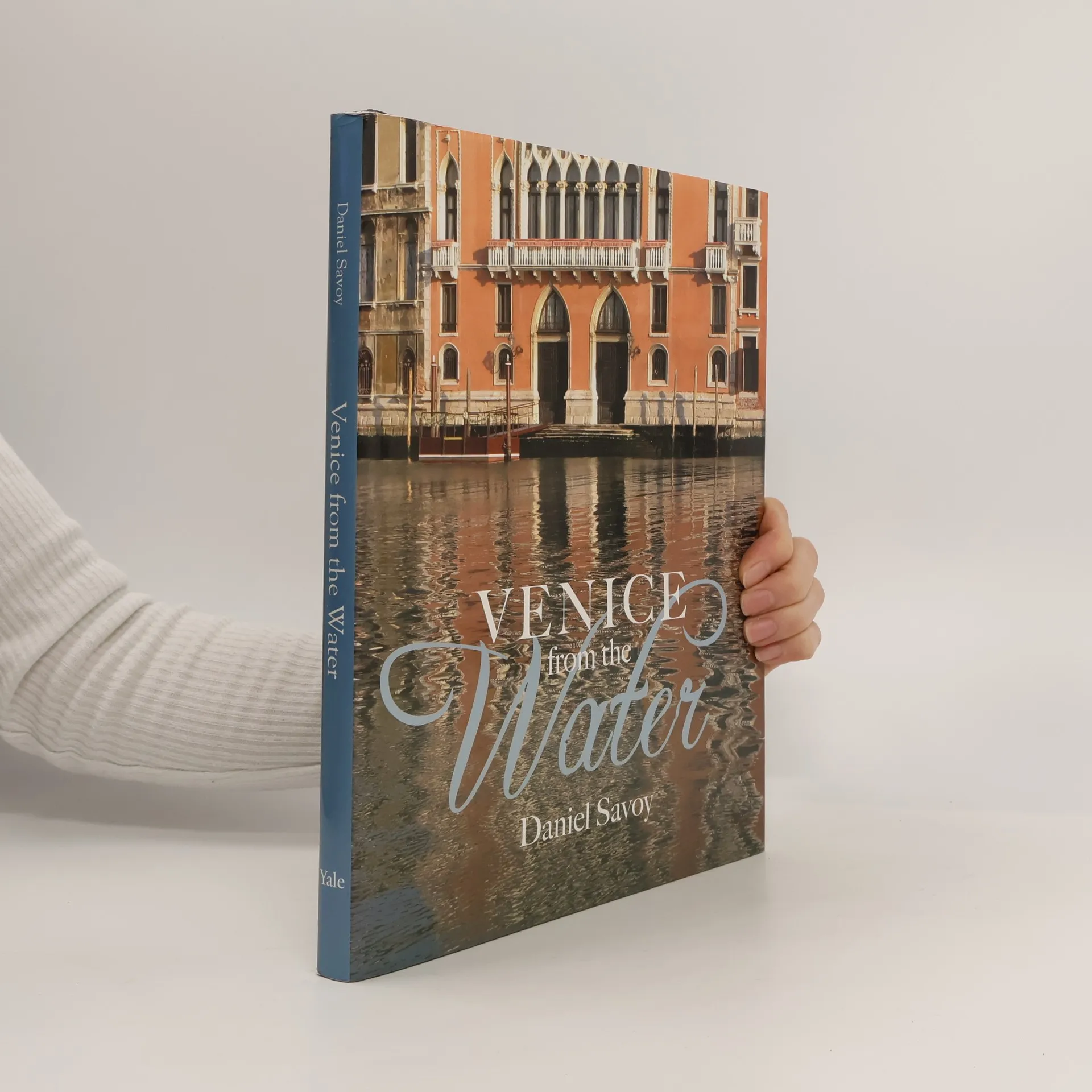
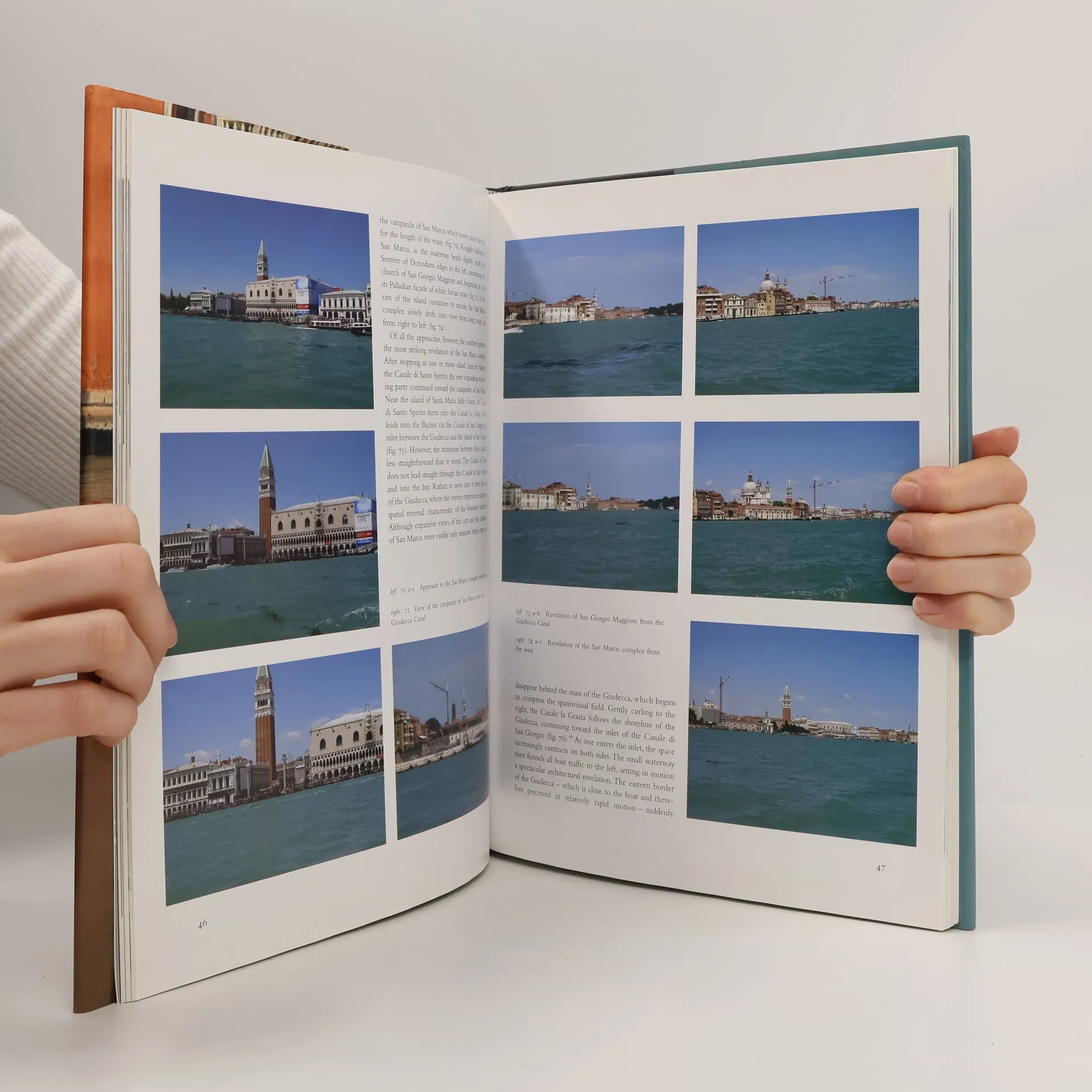
The floating city of Venice has enchanted visitors for centuries with its maze of scenic canals. For this pioneering book, Daniel Savoy set out by boat to explore the built environment of these waterways, gaining new insights into the architectural history of this major early modern Italian center. By viewing the architecture and experience of the canals in relation to the production of Venetian civic mythology, the author found that the waterways of Venice and its lagoon were integral areas of the city's pre-modern urban space, and that their flanking buildings were constructed in an intimate dialogue with the water's visual, spatial, and metaphorical properties. Enhancing the natural wonder of their aquatic setting, the builders of Venice used illusory aesthetic and scenographic practices to create waterfront buildings that appear to float, blend into the water, and glide into view around bends in the canals—transporting visitors into a seemingly otherworldly realm. This book's striking photographs of Venice, as seen from its waterways, will likewise transport readers with breathtaking views of this captivating city.
Zakup książki
Venice from the Water, Daniel Savoy
- Język

- Rok wydania
- 2012
- Oprawa
- (twarda)
Metody płatności
Brakuje nam tutaj Twojej recenzji.
- Tytuł
- Venice from the Water
- Podtytuł
- Architecture and Myth in an Early Modern City
- Język
- angielski
- Autorzy
- Daniel Savoy
- Wydawca
- Yale University Press
- Rok wydania
- 2012
- Oprawa
- twarda
- Liczba stron
- 224
- ISBN10
- 0300167970
- ISBN13
- 9780300167979
- Seria
- Kategorie
- Tagi
- Architektura, USA, Południowa Europa, Włochy, Zachodnia Europa, Wenecja, Historia architektury, Aspekty psychologiczne
- Ocena
- 4,25 z 5
- Opis
- The floating city of Venice has enchanted visitors for centuries with its maze of scenic canals. For this pioneering book, Daniel Savoy set out by boat to explore the built environment of these waterways, gaining new insights into the architectural history of this major early modern Italian center. By viewing the architecture and experience of the canals in relation to the production of Venetian civic mythology, the author found that the waterways of Venice and its lagoon were integral areas of the city's pre-modern urban space, and that their flanking buildings were constructed in an intimate dialogue with the water's visual, spatial, and metaphorical properties. Enhancing the natural wonder of their aquatic setting, the builders of Venice used illusory aesthetic and scenographic practices to create waterfront buildings that appear to float, blend into the water, and glide into view around bends in the canals—transporting visitors into a seemingly otherworldly realm. This book's striking photographs of Venice, as seen from its waterways, will likewise transport readers with breathtaking views of this captivating city.