


Więcej o książce
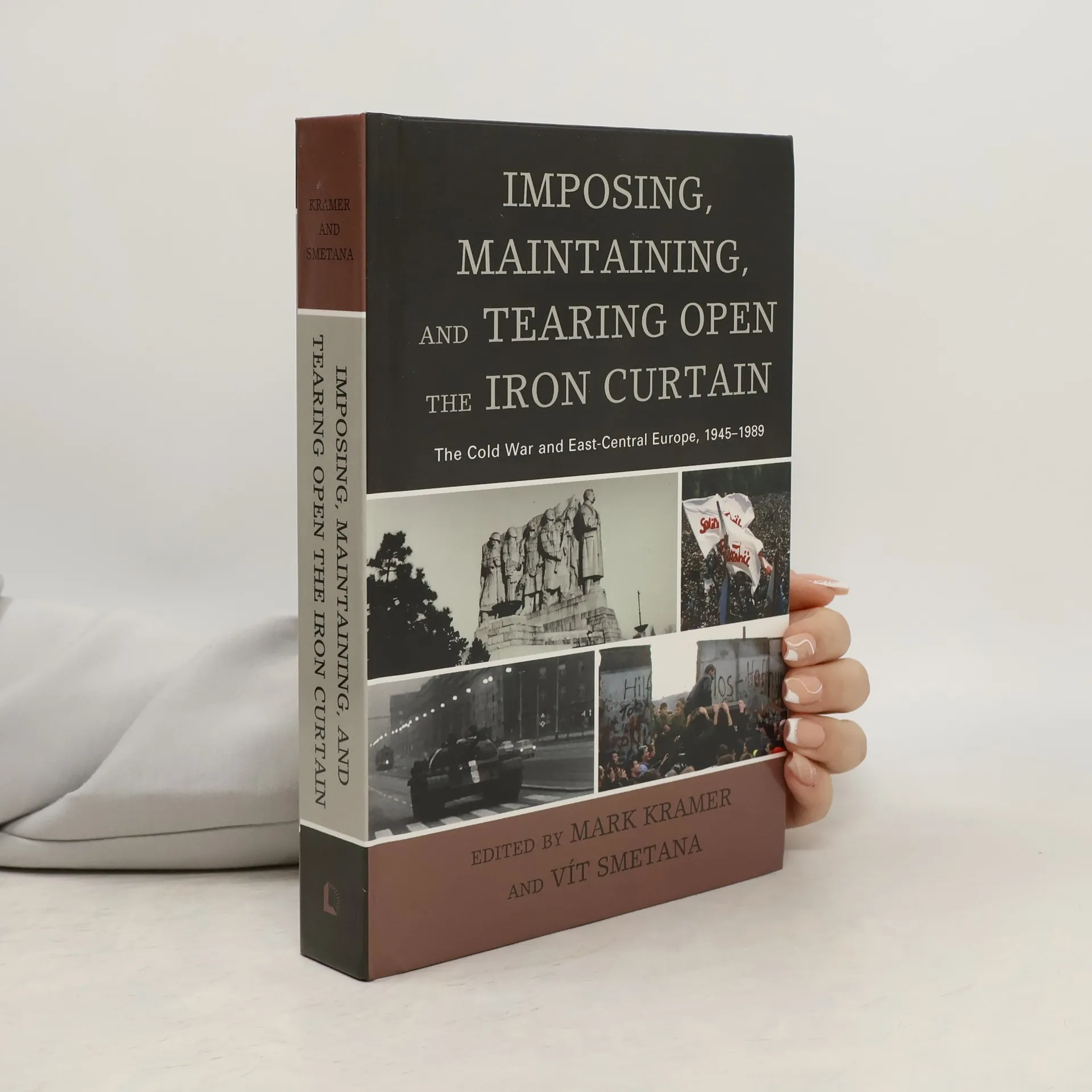
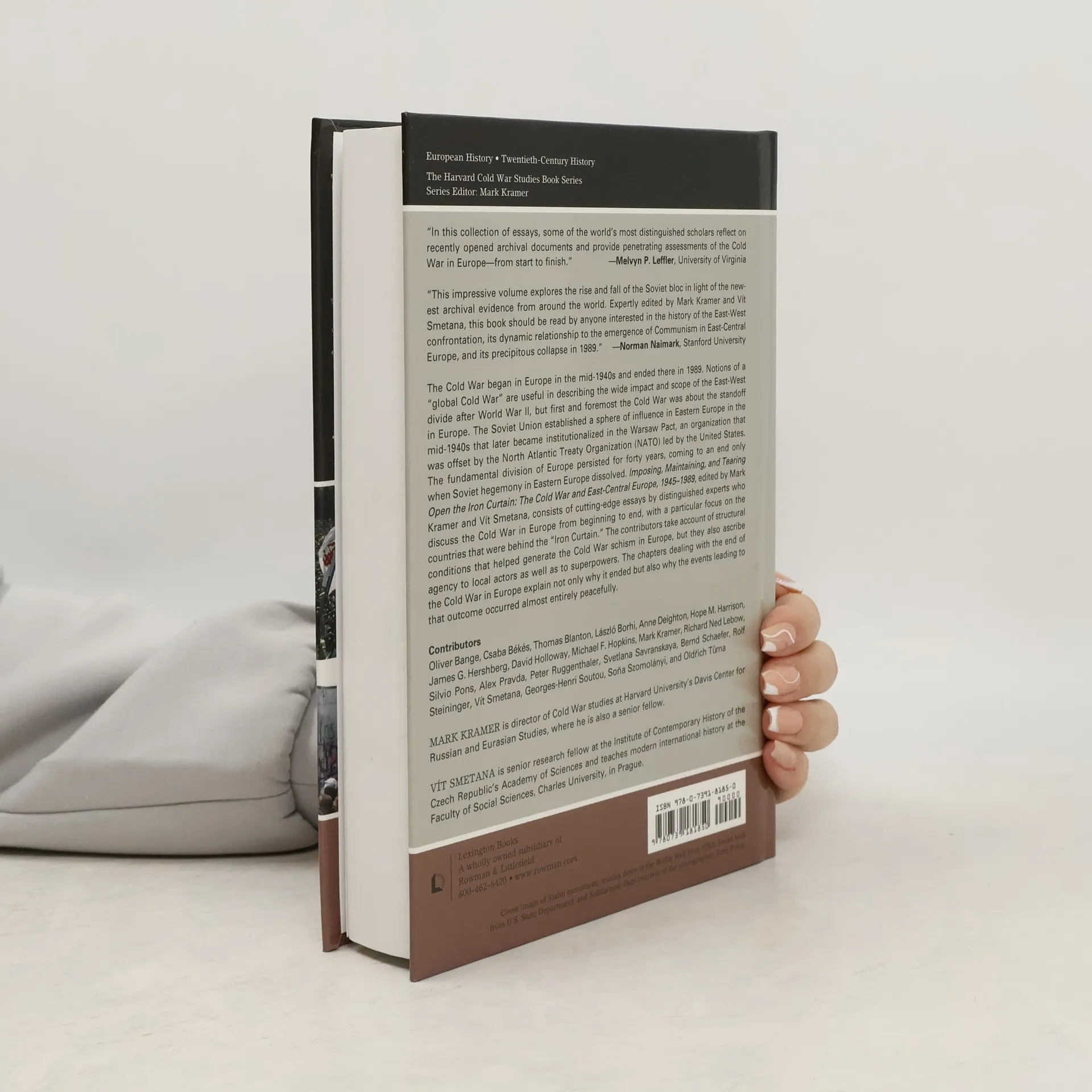
The Cold War began in Europe in the mid-1940s and ended there in 1989. Notions of a “global Cold War” are useful in describing the wide impact and scope of the East-West divide after World War II, but first and foremost the Cold War was about the standoff in Europe. The Soviet Union established a sphere of influence in Eastern Europe in the mid-1940s that later became institutionalized in the Warsaw Pact, an organization that was offset by the North Atlantic Treaty Organization (NATO) led by the United States. The fundamental division of Europe persisted for forty years, coming to an end only when Soviet hegemony in Eastern Europe dissolved. Imposing, Maintaining, and Tearing Open the Iron The Cold War and East-Central Europe, 1945–1989, edited by Mark Kramer and Vít Smetana, consists of cutting-edge essays by distinguished experts who discuss the Cold War in Europe from beginning to end, with a particular focus on the countries that were behind the iron curtain. The contributors take account of structural conditions that helped generate the Cold War schism in Europe, but they also ascribe agency to local actors as well as to the superpowers. The chapters dealing with the end of the Cold War in Europe explain not only why it ended but also why the events leading to that outcome occurred almost entirely peacefully.
Zakup książki
Imposing, Maintaining, and Tearing Open the Iron Curtain, Mark Kramer, Vít Smetana
- Język

- Rok wydania
- 2013
- Oprawa
- (twarda)
Metody płatności
Nikt jeszcze nie ocenił.
- Tytuł
- Imposing, Maintaining, and Tearing Open the Iron Curtain
- Podtytuł
- The Cold War and East-Central Europe, 1945–1989
- Język
- angielski
- Autorzy
- Mark Kramer, Vít Smetana
- Wydawca
- Lexington Books
- Rok wydania
- 2013
- Oprawa
- twarda
- Liczba stron
- 582
- ISBN10
- 0739181858
- ISBN13
- 9780739181850
- Tagi
- Tematy historyczne, Polityka, XX wiek, Europa, Rosja, Historia Europy, Teorie polityczne, Stosunki międzynarodowe, Związek Radziecki, Zimna wojna, Europa Wschodnia, Geopolityka, Żelazna kurtyna
- Opis
- The Cold War began in Europe in the mid-1940s and ended there in 1989. Notions of a “global Cold War” are useful in describing the wide impact and scope of the East-West divide after World War II, but first and foremost the Cold War was about the standoff in Europe. The Soviet Union established a sphere of influence in Eastern Europe in the mid-1940s that later became institutionalized in the Warsaw Pact, an organization that was offset by the North Atlantic Treaty Organization (NATO) led by the United States. The fundamental division of Europe persisted for forty years, coming to an end only when Soviet hegemony in Eastern Europe dissolved. Imposing, Maintaining, and Tearing Open the Iron The Cold War and East-Central Europe, 1945–1989, edited by Mark Kramer and Vít Smetana, consists of cutting-edge essays by distinguished experts who discuss the Cold War in Europe from beginning to end, with a particular focus on the countries that were behind the iron curtain. The contributors take account of structural conditions that helped generate the Cold War schism in Europe, but they also ascribe agency to local actors as well as to the superpowers. The chapters dealing with the end of the Cold War in Europe explain not only why it ended but also why the events leading to that outcome occurred almost entirely peacefully.