


Więcej o książce
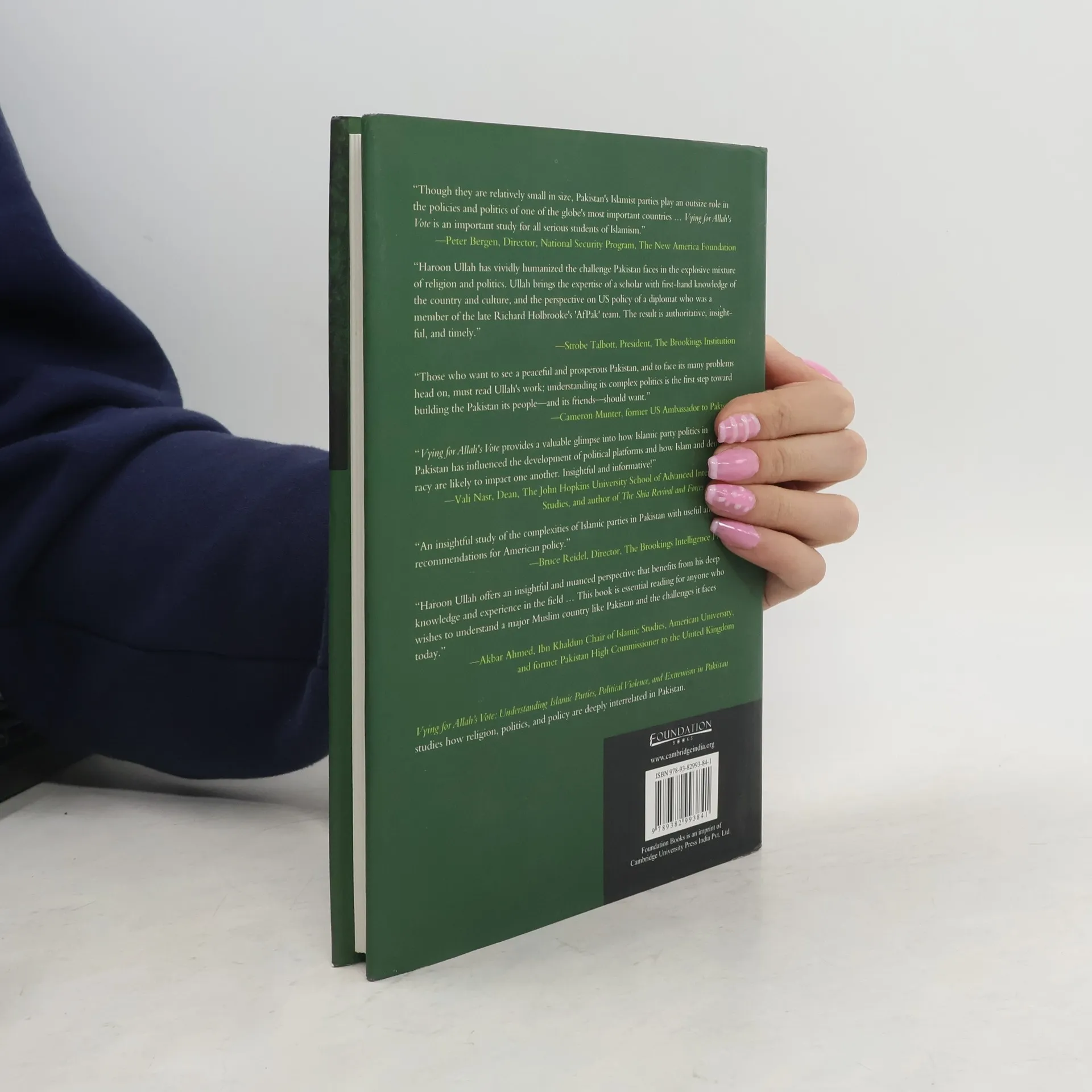
What drives political extremism in Pakistan? The assassination of prominent politicians like Salmaan Taseer in 2011 and Benazir Bhutto in 2007 highlights the dangerous intersection of religion, politics, and policy in the country. Taseer was killed by a member of his security team for advocating women's and minority rights, while Bhutto's murder is linked to extremist organizations. This context sets the stage for an in-depth analysis of the ideologies, support bases, and electoral successes of Pakistan's largest Islamic parties. Haroon K. Ullah conducts extensive fieldwork to develop a new typology for understanding the diverse discourses of these parties, distinguishing between moderate and extreme factions. This understanding is crucial for Western nations seeking to engage with states where Islamic parties wield significant political and moral influence. The future of Pakistan's democratic transition depends on how these parties can foster civilian governance, reject violence, and promote political reform. Ullah's typology may also provide insights into the political dynamics of other majority-Muslim democracies, such as Egypt and Tunisia, where Islamist parties have gained electoral power.
Zakup książki
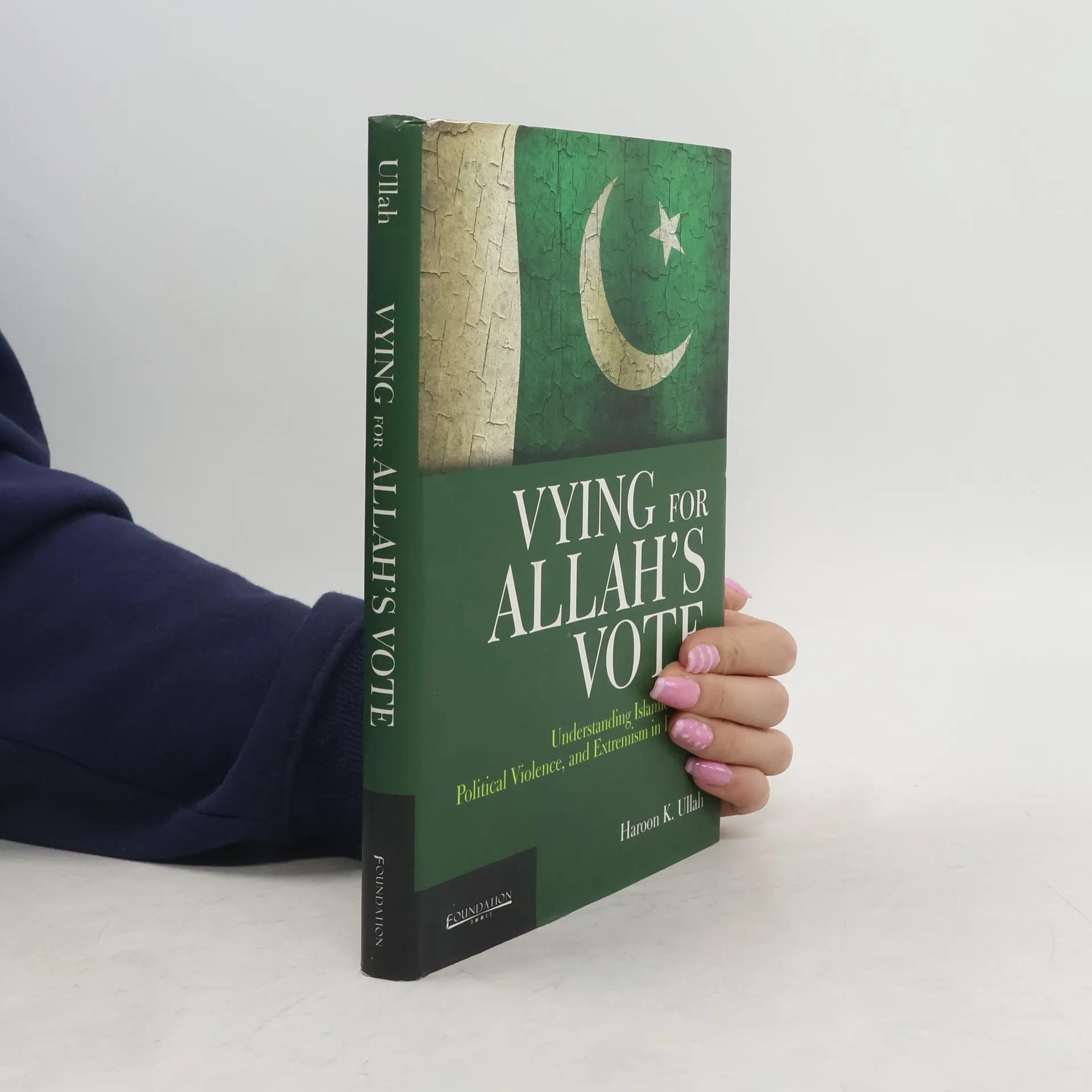
Vying for Allah's Vote, Haroon K. Ullah
- Język

- Rok wydania
- 2014
- Oprawa
- (twarda)
Metody płatności
Brakuje nam tutaj Twojej recenzji.
- Tytuł
- Vying for Allah's Vote
- Podtytuł
- Understanding Islamic Parties
- Język
- angielski
- Autorzy
- Haroon K. Ullah
- Rok wydania
- 2014
- Oprawa
- twarda
- Liczba stron
- 456
- ISBN10
- 9382993843
- ISBN13
- 9789382993841
- Seria
- Ocena
- 3,5 z 5
- Opis
- What drives political extremism in Pakistan? The assassination of prominent politicians like Salmaan Taseer in 2011 and Benazir Bhutto in 2007 highlights the dangerous intersection of religion, politics, and policy in the country. Taseer was killed by a member of his security team for advocating women's and minority rights, while Bhutto's murder is linked to extremist organizations. This context sets the stage for an in-depth analysis of the ideologies, support bases, and electoral successes of Pakistan's largest Islamic parties. Haroon K. Ullah conducts extensive fieldwork to develop a new typology for understanding the diverse discourses of these parties, distinguishing between moderate and extreme factions. This understanding is crucial for Western nations seeking to engage with states where Islamic parties wield significant political and moral influence. The future of Pakistan's democratic transition depends on how these parties can foster civilian governance, reject violence, and promote political reform. Ullah's typology may also provide insights into the political dynamics of other majority-Muslim democracies, such as Egypt and Tunisia, where Islamist parties have gained electoral power.