

Więcej o książce
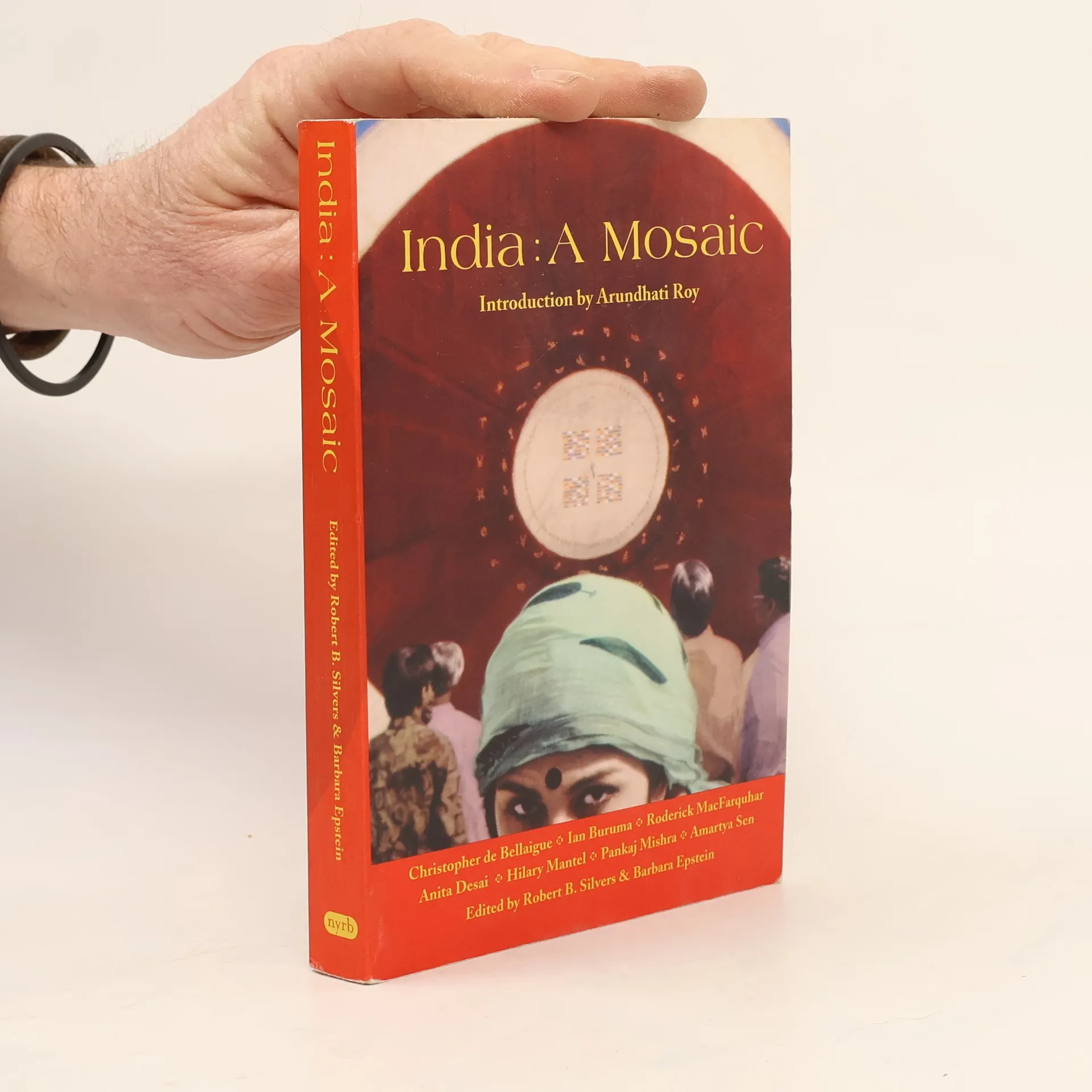
How can we understand India today, fifty years after Independence and only months after its nuclear tests outraged the world? The novelist Arundhati Roy has written, specially for this collection, a fierce denunciation of the Indian nuclear program, which serves as an introduction to nine essays on India, all originally published in The New York Review of Books . In this volume, seven distinguished writers offer penetrating insights into the complexities of the subcontinent. Roderick MacFarquhar reflects on the legacy of Empire and Partition, Ian Buruma considers secularism and Indian democracy, Pankaj Mishra remembers life in Benares, and Christopher de Bellaigue writes on a violent Bombay. But the volatile intersections of history, politics, and culture on which they focus haunt Indian literature too, as shown in essays by Nobel Prize-winner Amartya Sen on Rabindranath Tagore, Hilary Mantel on Rohinton Mistry, and Anita Desai on Indian women's writing.
Zakup książki
India, Arundhatí Roy, Robert B. Silvers, Barbara Epstein, Christopher De Bellaigue, Ian Buruma, Roderick MacFarquhar, Anita Desai, Hilary Mantel, Pankaj Mishara, Sen Amartya
- Język

- Rok wydania
- 2001
- Oprawa
- (miękka)
Metody płatności
Brakuje nam tutaj Twojej recenzji.
- Tytuł
- India
- Podtytuł
- A Mosaic
- Język
- angielski
- Autorzy
- Arundhatí Roy, Robert B. Silvers, Barbara Epstein, Christopher De Bellaigue, Ian Buruma, Roderick MacFarquhar, Anita Desai, Hilary Mantel, Pankaj Mishara, Sen Amartya
- Wydawca
- New York Review of Books
- Rok wydania
- 2001
- Oprawa
- miękka
- Liczba stron
- 288
- ISBN10
- 0940322943
- ISBN13
- 9780940322943
- Seria
- Kategorie
- Ocena
- 2,7 z 5
- Opis
- How can we understand India today, fifty years after Independence and only months after its nuclear tests outraged the world? The novelist Arundhati Roy has written, specially for this collection, a fierce denunciation of the Indian nuclear program, which serves as an introduction to nine essays on India, all originally published in The New York Review of Books . In this volume, seven distinguished writers offer penetrating insights into the complexities of the subcontinent. Roderick MacFarquhar reflects on the legacy of Empire and Partition, Ian Buruma considers secularism and Indian democracy, Pankaj Mishra remembers life in Benares, and Christopher de Bellaigue writes on a violent Bombay. But the volatile intersections of history, politics, and culture on which they focus haunt Indian literature too, as shown in essays by Nobel Prize-winner Amartya Sen on Rabindranath Tagore, Hilary Mantel on Rohinton Mistry, and Anita Desai on Indian women's writing.